

What Exactly Is Cat-Cow?
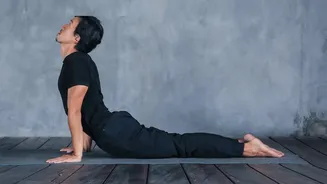
Cat-Cow is not a single static pose, but a dynamic flow between two poses: Marjaryasana (Cat Pose) and Bitilasana (Cow Pose). You move continuously from one to the other, creating a gentle wave-like motion in your spine. It's commonly used as a warm-up
in yoga practices because it gently massages the spine, increases mobility, and begins to link your breath with your movement, setting a mindful tone for the practice ahead. The names come from the shapes your back makes — a rounded, stretching back like a cat, and a dipped, arched back like a cow.
The Foundational Benefits
Don't let its simplicity fool you; this sequence is packed with benefits. Its primary function is to improve the flexibility and mobility of the neck, shoulders, and spine. This gentle articulation of each vertebra can relieve tension and stiffness, particularly in the lower back, making it a go-to exercise after long hours of sitting. The movement also stretches the muscles of the hips, back, abdomen, and chest. By syncing the flow with deep breathing, Cat-Cow has a calming effect on the mind, reducing stress and enhancing body awareness. It also gently stimulates the abdominal organs, which can aid in digestion.
A Step-by-Step Guide to the Flow
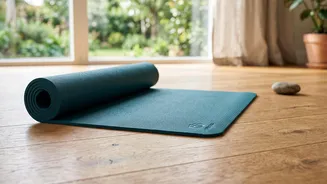
To begin, find a comfortable spot on a yoga mat or a soft surface. Start on all fours in a 'tabletop' position. Your wrists should be directly under your shoulders and your knees directly under your hips. Spread your fingers wide to create a stable base, and keep your spine in a neutral, flat position.\n\nFor Cow Pose (Bitilasana): Take a slow, deep inhale. As you breathe in, gently drop your belly toward the floor. Lift your chest and tailbone toward the ceiling, creating an arch in your spine. Look slightly forward, keeping the back of your neck long.\n\nFor Cat Pose (Marjaryasana): As you exhale slowly, reverse the movement. Contract your abdominal muscles, pulling your navel toward your spine. Round your back toward the ceiling, and gently release your head, tucking your chin toward your chest without forcing it. Feel the stretch across your shoulder blades.\n\nContinue flowing between Cow on your inhales and Cat on your exhales. Let your breath guide the pace of your movement. Aim for a smooth, continuous motion for 10 to 20 repetitions.
Common Mistakes to Avoid
To get the most out of the pose and prevent strain, be mindful of a few common misalignments. First, avoid rushing. The magic of Cat-Cow is in its slow, deliberate connection to the breath. Many beginners also shrug their shoulders up toward their ears, which creates neck tension. Instead, actively keep your shoulders drawn away from your ears. Another common issue is overextending the neck in Cow Pose or forcing the chin to the chest in Cat. The movement should originate from the spine, with the head following naturally. Finally, maintain a micro-bend in your elbows to avoid hyperextension and to keep the supporting muscles engaged.
Modifications for Your Body
Yoga is about adapting poses to your body, not the other way around. If you have sensitive knees, placing a folded blanket or towel underneath them for extra cushioning can make a world of difference. For those with wrist pain or weakness, you can perform the same spinal movements while resting on your forearms instead of your hands. Cat-Cow can even be done while sitting in a chair. Sit tall with your feet flat on the floor and hands on your knees. On your inhale, arch your back and open your chest (Cow). On your exhale, round your spine (Cat). This makes it a perfect stretch for a quick break at the office.