


Why Polenta is the Perfect Filling
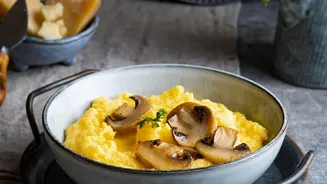
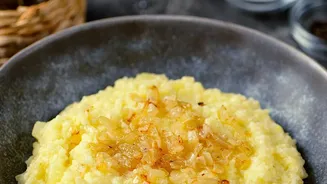
Swapping traditional fillers for polenta might seem like a small change, but it makes a world of difference. The primary benefit is texture. Where rice can sometimes be dry or clumpy, polenta offers a luxuriously smooth and creamy consistency that complements
the sweetness of roasted peppers beautifully. It's a blank canvas for flavor, readily absorbing broths, herbs, and cheeses. Furthermore, polenta is naturally gluten-free, making it an excellent option for accommodating various dietary needs without sacrificing heartiness. Its rustic Italian charm brings a touch of elegance to a humble dish, proving that simple ingredients can create a sophisticated meal.
Choosing the Right Polenta
The type of polenta you choose will affect both cooking time and final texture. You'll find several varieties at the store: instant, quick-cooking, and traditional coarse-ground cornmeal. While instant polenta is fast, it can sometimes result in a less robust texture. For stuffing, traditional or quick-cooking polenta is often the best choice, as it cooks into a thick, satisfying mush that holds its shape well when baked. The general ratio for cooking polenta is one part cornmeal to four parts liquid. Always check the package instructions, as cooking times can range from 5 minutes for quick-cooking varieties to over 45 minutes for traditional grinds.
Crafting a Flavorful Polenta Base
The secret to an unforgettable polenta filling is to build flavor from the very beginning. Start by cooking the polenta in a flavorful liquid instead of plain water; vegetable or chicken broth is an excellent choice. Sautéing aromatics like minced onion and garlic in olive oil or butter before adding the liquid creates a savory foundation. As the polenta cooks, whisk constantly to prevent lumps and achieve a smooth consistency. Once it begins to thicken and pull away from the sides of the pan, it's ready. Stirring in a knob of butter, a splash of milk or cream, or a handful of cheese at the end adds richness and a velvety finish.
Customizing Your Filling
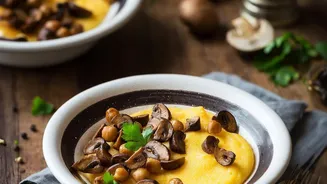
Here is where you can get creative. Once your base polenta is cooked, you can fold in a wide variety of ingredients to suit your taste. For a classic Italian feel, mix in cooked Italian sausage, sautéed mushrooms, and fresh herbs like parsley, sage, rosemary, and thyme. Sun-dried tomatoes and diced zucchini are also fantastic additions. Cheese is practically essential. Grated Parmesan is a classic choice, but creamy Gruyère, smoked Gouda, or fresh mozzarella also melt beautifully into the polenta. For a vegetarian protein boost, consider adding rinsed black beans or chickpeas.
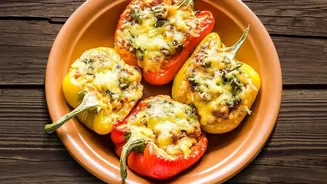
Prepping the Peppers and Baking
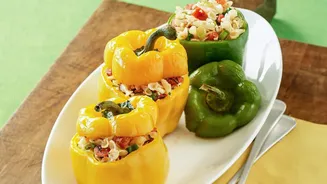
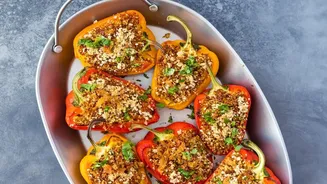
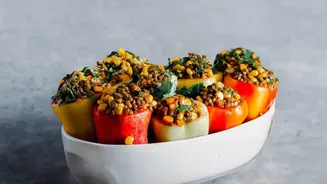
For the best results, prepare the bell peppers by slicing them in half lengthwise and removing the seeds and membranes. Some cooks prefer to pre-bake or blanch the empty peppers for a few minutes to ensure they become fully tender. Roasting the pepper halves cut-side up for about 20 minutes at a high temperature (around 400°F or 200°C) softens them perfectly. Once prepped, spoon the polenta mixture generously into each pepper half. You can top them with an extra sprinkle of cheese or breadcrumbs for a golden, crispy crust. Bake the stuffed peppers at around 375°F (190°C) for 25 to 35 minutes, or until the filling is hot throughout and the peppers are tender.