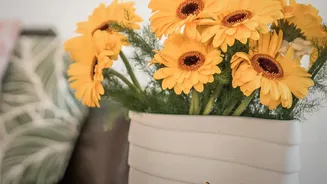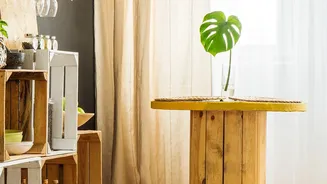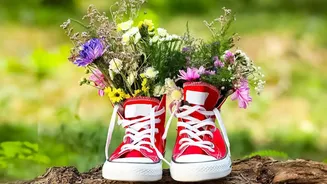



That empty jam jar or wine bottle in your recycling bin has hidden potential. With a few simple design principles, you can transform everyday items into stunning, personalised vases that make your flowers shine. No special skills needed!
The Classic Jar: For Rustic Charm
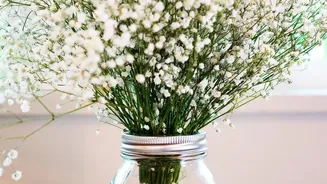
The humble jam,
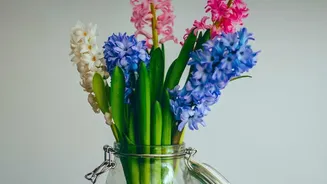
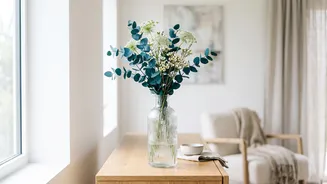
pickle, or pasta sauce jar is perhaps the most common starting point for upcycled vases. Its typical shape—a simple cylinder with a wide mouth—is incredibly versatile. This design is perfect for creating casual, rustic arrangements that feel like they were just gathered from a garden. The wide opening allows flowers to spread out naturally, creating a full and relaxed look. Think of arrangements with a wildflower feel: a mix of daisies, cosmos, feverfew, and other seasonal blooms with sturdy stems. To create a balanced look, a general rule is to make the arrangement's height about one-and-a-half times the height of the jar. You can also add foliage like eucalyptus to build width and create a more dynamic shape.
The Elegant Bottle: For Single Stems
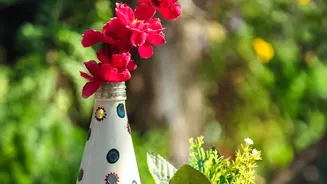
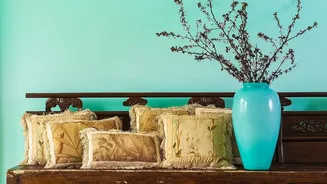
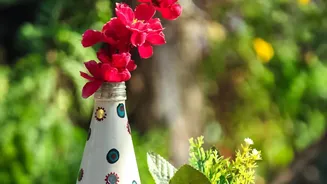
Wine bottles, old-fashioned soda bottles, or even elegant olive oil bottles make for perfect 'bud' vases. Their defining characteristic is a tall, narrow neck, which provides excellent support for a single bloom or a very small, delicate cluster of flowers. This minimalist approach highlights the simple beauty of an individual stem. Long-stemmed flowers like roses, tulips, calla lilies, or dramatic delphiniums work beautifully. You can also use them to display striking branches, like cherry blossom or forsythia, for a touch of seasonal drama. The key is not to overcrowd the narrow opening. Let the shape of the bottle do the work, creating a simple, elegant statement on a windowsill or side table.
The Low and Wide Can: For Dense Displays
Cleaned tin cans from soups or vegetables offer a different proportion: low and wide. After removing the label and ensuring there are no sharp edges, you have a solid, opaque container that’s ideal for dense, compact floral displays. This shape works well for flowers with big, round heads or bushy blooms, such as zinnias, marigolds, hydrangeas, or chrysanthemums. Because the container is short, you'll want to trim your flower stems so the blooms sit just above the rim, creating a lush, mounded look. For a polished finish, you can paint the can to match your decor, wrap it in decorative paper, or tie a ribbon around it. The opaque nature of the can also conveniently hides any floral foam or grids you might use for support.
The Graceful Pitcher: For Full Bouquets
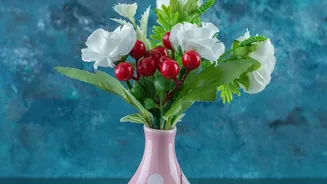
A vintage water jug, ceramic pitcher, or even a large glass measuring cup can serve as a charming and substantial vase. These items often have a wider base and a flared opening, sometimes with a handle, lending a farmhouse or cottage feel to the arrangement. This shape is perfect for holding larger, fuller bouquets with a mix of flowers and greenery. The flared lip provides great support for heavy-headed flowers like peonies and hydrangeas, allowing them to rest gracefully. This type of 'vase' encourages a more organic, flowing arrangement, with some stems spilling over the sides for a relaxed and romantic look.
The Dainty Teacup : For Petite Blooms
For a truly delicate and whimsical touch , look no further than an old teacup or a small yogurt pot . Their petite size makes them perfect for showcasing a single , spectacular bloom , like a gardenia or a large rose , where the flower head can rest on the rim . They are also ideal for creating tiny posies of small flowers like baby's breath , forget - me - nots , or muscari . Grouping several of these miniature arrangements together on a tray or along a table runner can create a chic and modern tablescape with more impact than a single large bouquet . It’s a wonderful way to appreciate the tiny , often overlooked details in a floral arrangement .