



From Roti to Ready-to-Eat
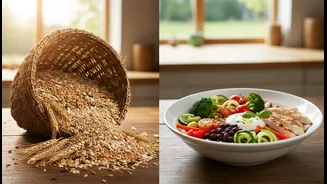
For generations, the Indian diet was built on a foundation of cereals and pulses. These staples, while providing essential calories, defined our food security. Today, that foundation is shifting. Thanks to rising incomes, rapid urbanization, and greater
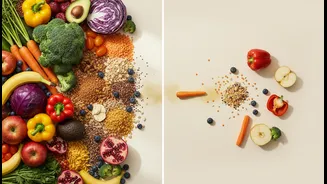
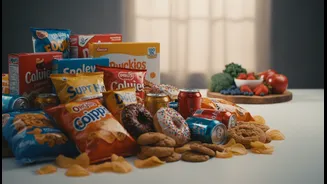
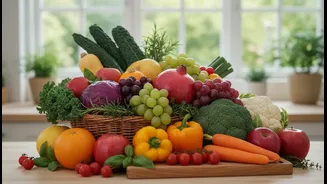
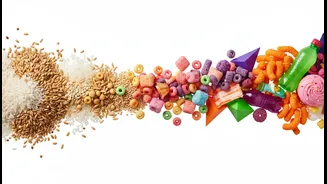
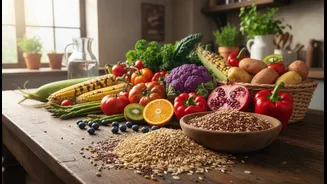
market access, Indians are diversifying their diets. The share of household spending on cereals has declined, while expenditure on milk, eggs, fish, meat, fruits, and vegetables is on the rise. This transition also includes a significant increase in the consumption of processed and packaged foods, driven by convenience and changing lifestyles. What was once a diet defined by regional agriculture is now increasingly influenced by global food trends and modern supply chains.
The Calorie and Protein Puzzle
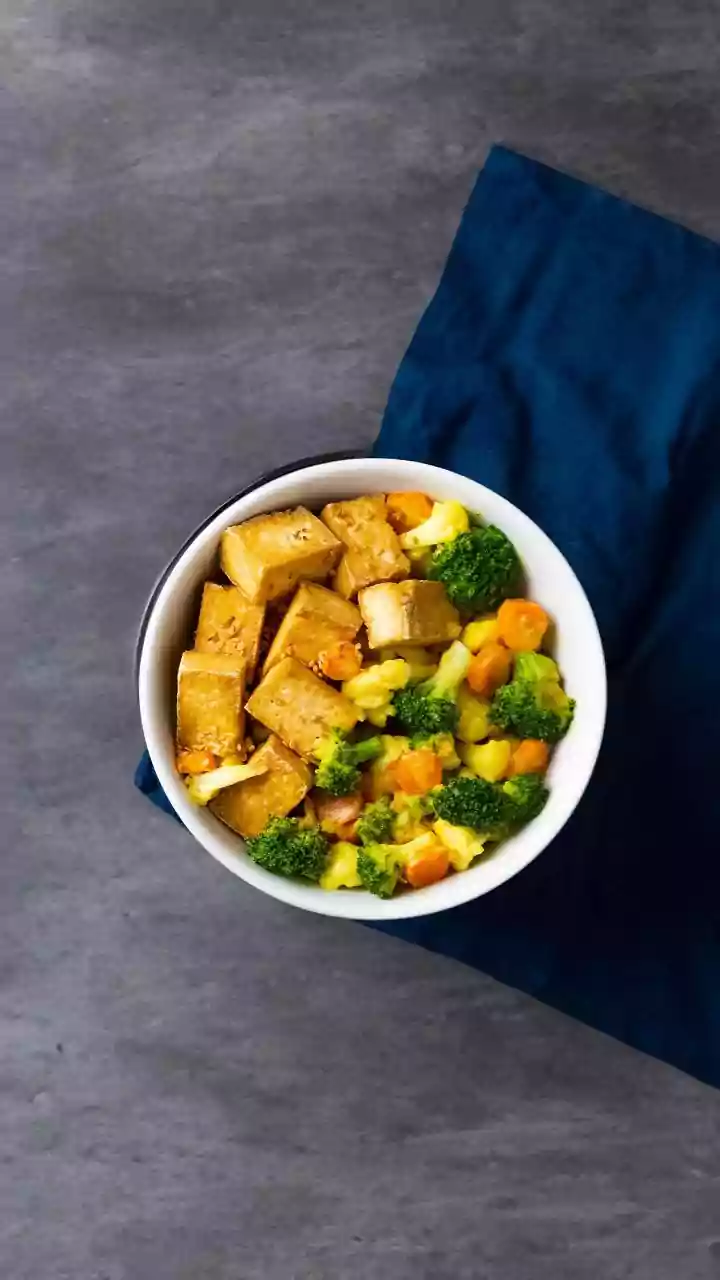
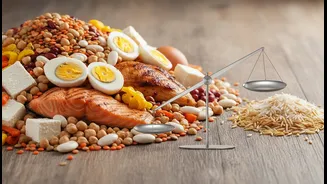
As diets change, so does our intake of essential macronutrients. While average calorie consumption has seen marginal changes, with rural areas still slightly below recommended levels, the sources of these calories are transforming. The once-dominant role of cereals is diminishing. Simultaneously, protein intake has improved, appearing adequate by some standards. This isn't just about eating more protein, but eating different kinds. The contribution of cereals to protein intake has fallen, balanced by an increase from eggs, fish, meat, and dairy products. This signifies a move towards higher-quality protein sources, a positive step in nutritional terms for many households.
Hidden Hunger Amidst Plenty
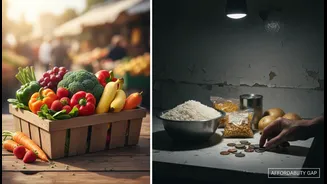
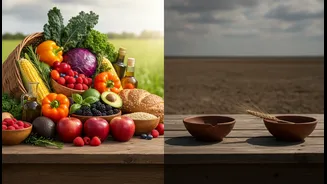
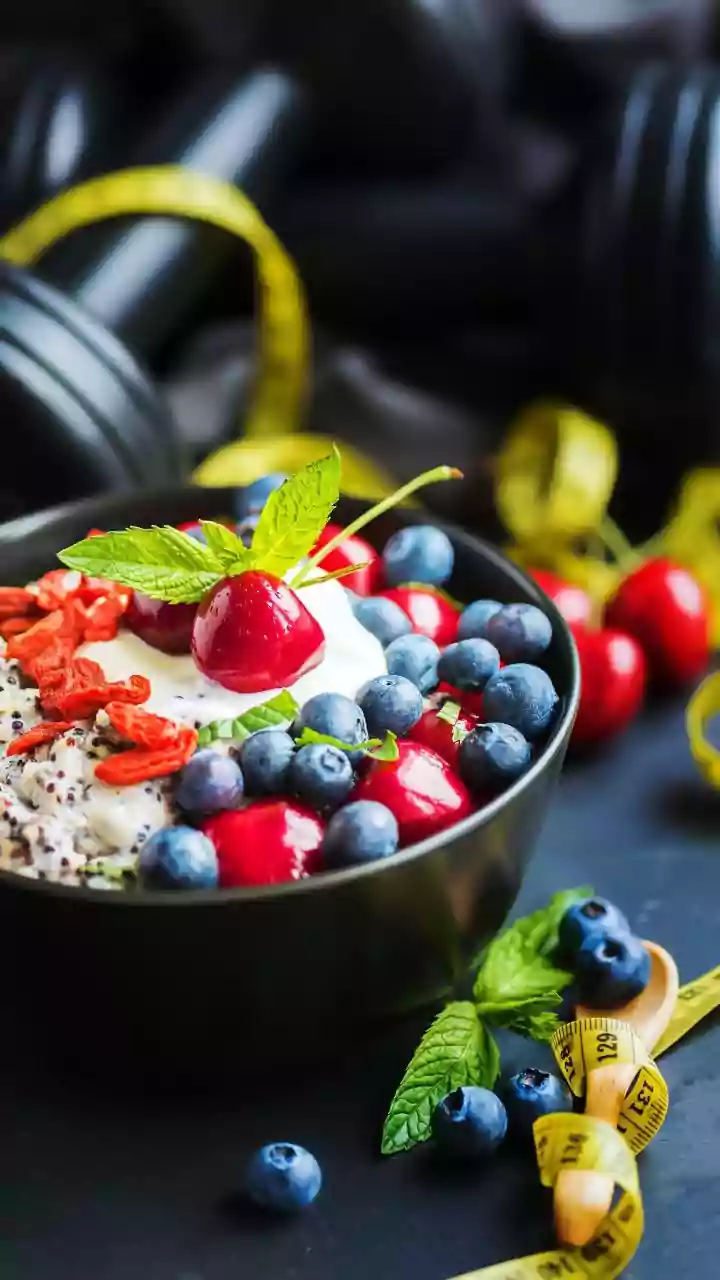
More variety on the plate does not automatically translate to better nutrition. This is the paradox of India's dietary transition. While calorie and protein intake may be improving for some, the country faces a severe and persistent crisis of 'hidden hunger' or micronutrient deficiencies. Large segments of the population, including children and women, suffer from deficiencies in iron, zinc, vitamin A, and vitamin B12. The shift towards energy-dense but nutrient-poor processed foods can worsen this problem, creating a situation where individuals are well-fed in terms of calories but remain malnourished in terms of essential vitamins and minerals. This impacts everything from cognitive development in children to the productivity of the workforce.
The Double Burden of Malnutrition
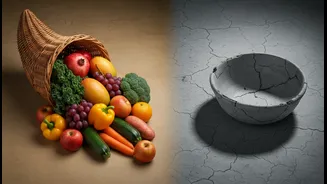
The most critical consequence of this changing food basket is the rise of the 'double burden of malnutrition'. This is a public health crisis where undernutrition, like stunting in children, coexists with a rapid increase in overnutrition, such as obesity and diet-related non-communicable diseases (NCDs). Essentially, India is fighting two battles at once. Recent studies show that even in low-income communities, persistent thinness in children is now seen alongside a tripling of overweight and obesity rates in just a few years. This dual crisis is fueled by the same broken food environment: a lack of access to diverse, nutritious foods for the poor and an abundance of cheap, unhealthy, processed options for others.
Why It Matters for Policy and Farming
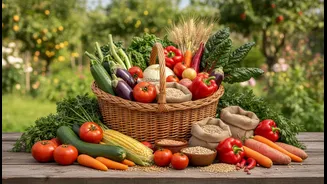
These dietary shifts have massive implications that go beyond the individual kitchen. For farmers and agricultural policy, the declining consumption of cereals and rising demand for fruits, vegetables, and animal products signal a need to diversify production. Policies historically focused on cereal self-sufficiency, like Minimum Support Prices (MSP), may need re-evaluation to support a more varied and nutritious food supply. For public health, the focus must shift from simply ensuring calorie security to promoting genuine nutrition security. This includes regulating unhealthy foods, fortifying staples with micronutrients, and designing public food programs, like the PDS and mid-day meals, to deliver diversity and not just bulk.