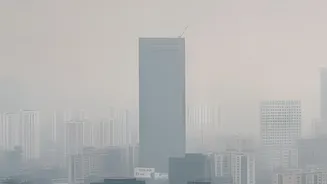




As a thick blanket of smog descends, the sanctuary of our homes feels less secure. But with a flood of advice on how to keep indoor air clean, what really works? Let's cut through the noise and look at the evidence for common solutions.
Air Purifiers: The Gold Standard?
When outdoor air
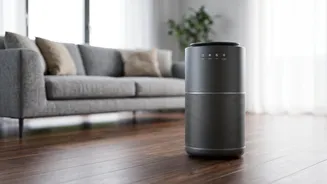
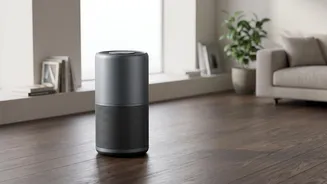
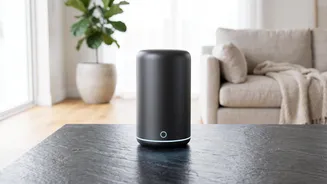
is hazardous, a good quality air purifier is the most effective tool for cleaning your indoor environment. The key is to look for models with High-Efficiency Particulate Air (HEPA) filters. Scientific studies have repeatedly shown that HEPA purifiers are highly effective at capturing the most dangerous component of smog: PM2.5 particles. These are microscopic pollutants that can penetrate deep into the lungs and enter the bloodstream, causing respiratory and cardiovascular problems. Research demonstrates that using a HEPA filter can significantly reduce indoor PM2.5 levels, often by 50% or more, creating a much safer breathing space. For best results, choose a purifier with a Clean Air Delivery Rate (CADR) that matches your room size, and ensure it also has an activated carbon filter, which helps remove harmful gases and odours that HEPA filters alone cannot trap. While they require an upfront investment and ongoing filter replacement, the evidence is clear: a well-chosen air purifier is a reliable defence against severe smog.
The Myth of a Purifying Jungle
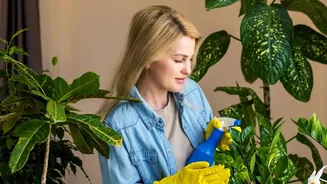
The idea that a few potted plants can purify your home's air is a persistent and appealing myth. This belief stems largely from a 1989 NASA study conducted in small, sealed chambers, which found plants could remove certain gaseous pollutants called VOCs. However, our homes are not sealed labs. More recent and comprehensive analyses have concluded that you would need an enormous number of plants—some estimates suggest between 10 and 1,000 plants per square metre—to match the air-cleaning capacity of a standard ventilation system or a single air purifier. Most importantly, when it comes to the fine particulate matter (PM2.5) that defines smog, plants are shown to have a negligible effect. While some studies show leaves can capture a tiny amount of dust, they have no active mechanism to remove the microscopic smog particles suspended in the air. So, while plants are great for aesthetics and mental well-being, they should not be relied upon as a tool for air purification during a smog event.
Sealing Your Home: The Crucial First Step
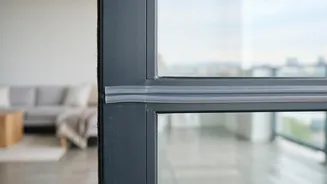
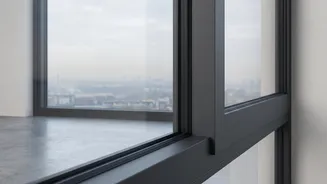
Before you even turn on a purifier, your first line of defence is to stop pollution from getting in. Keeping windows and doors shut is the most basic and critical step during heavy smog. According to the EPA, even in a sealed home, indoor PM2.5 levels can be around 55% to 60% of the outdoor levels, as pollutants infiltrate through small cracks and gaps. Therefore, sealing these entry points is crucial. Use weather stripping around window frames and door jambs, and place draught stoppers at the bottom of doors. This simple, low-cost measure reduces the amount of polluted air seeping into your home, lessening the burden on any air purifier and making your indoor environment inherently safer. Pay special attention to windows in rooms where you spend the most time, such as bedrooms. Sealing your home effectively creates a 'clean room' that can then be actively purified.
DIY Fixes: Ingenuity vs. Evidence
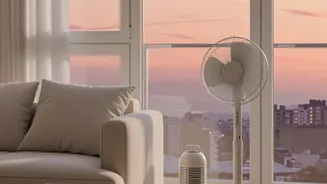
In the face of rising costs, do_it_yourself solutions have become popular. The most effective of these is the 'box fan filter'. This involves strapping a high_efficiency furnace filter (rated MERV 13 or higher) to the back of a standard box fan. Research by the EPA and other bodies has confirmed that these DIY purifiers can be surprisingly effective, significantly reducing indoor PM2.5 levels, sometimes on par with smaller commercial units. They are a viable, low_cost alternative when a commercial purifier is unaffordable. However, other traditional 'fixes' lack scientific support. The belief that eating jaggery (gur) cleanses the lungs of pollutants is not backed by medical evidence. Similarly, placing wet towels over windows or using steam vaporisers has a minimal, if any, effect on microscopic PM2.5 particles and may simply increase indoor humidity, which can lead to other problems like mould. Stick to solutions with proven filtering capabilities.
Ventilation: A Tricky But Necessary Balance
While sealing your home is vital during peak pollution, you can't keep it airtight forever. Indoor pollutants from cooking, cleaning, and even breathing can build up. This requires a strategy of smart ventilation. Monitor the local Air Quality Index (AQI) throughout the day. Look for brief periods when the outdoor air quality improves, even slightly—often during the middle of the day. Use these windows of opportunity to open doors and windows for 15–20 minutes to flush out stale indoor air and then seal the house again. Running a kitchen chimney while cooking and an exhaust fan in the bathroom are also essential forms of ventilation that remove pollutants at their source. It's a delicate balance between keeping outdoor smog out and preventing indoor pollutants from accumulating. Avoid ventilating during early morning and late evening hours, when pollution levels are typically at their highest.