




Understanding Probiotics and Fermentation
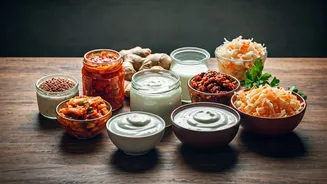
Before we dive into the recipes, let's quickly understand what we're making. Probiotics are live, beneficial bacteria that support a healthy gut microbiome. Fermentation is a natural process where these microorganisms break down sugars and starches in food,
creating gut-friendly bacteria along with essential vitamins. Traditional Indian cuisine is full of such foods, which aid digestion, improve nutrient absorption, and support the immune system. Making them at home is a simple way to tap into this ancient wisdom.
The North Indian Classic: Gajar ki Kanji
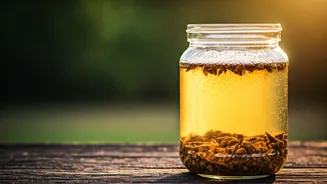
Kanji is a tangy, savoury fermented drink, traditionally made in North India during winter using black carrots. However, you can easily make it with regular red carrots and beetroot. The fermentation process is driven by mustard seeds, which give the drink its characteristic pungent kick. To make it, you'll need a large, clean glass or ceramic jar. Chop about four to five large carrots and one beetroot into sticks. In the jar, combine the vegetables, one tablespoon of coarsely crushed brown or yellow mustard seeds, one tablespoon of salt (black or regular), and about one and a half litres of filtered, boiled, and cooled water. Ensure the vegetables are fully submerged. Cover the mouth of the jar with a clean cloth, secure it with a band, and leave it in a sunny spot for three to five days, stirring daily with a clean spoon. The drink is ready when it tastes tangy and sour. Once fermented, strain the liquid and refrigerate it. The pickled vegetables can be eaten as a snack.
The Everyday Elixir: Masala Chaas
Perhaps the most common probiotic drink in India, Chaas (spiced buttermilk) is a summer staple for good reason. It’s incredibly cooling, hydrating, and excellent for digestion after a meal. While modern chaas is often just diluted curd, traditional buttermilk is the liquid left after churning butter from dahi. To make a healthy version at home, take one cup of fresh, homemade curd in a bowl and whisk it until smooth. Slowly add about two cups of chilled water while continuing to whisk until it's frothy. Now, add your spices. A typical mix includes half a teaspoon of roasted cumin powder, a pinch of black salt, and regular salt to taste. For extra flavour and digestive benefits, you can also add finely chopped mint leaves, coriander leaves, or a tiny bit of grated ginger. Mix well and serve chilled. Regular consumption can improve gut flora and help with issues like bloating and acidity.
The Humble Superfood: Fermented Rice Water
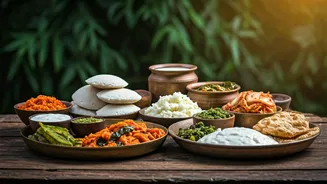
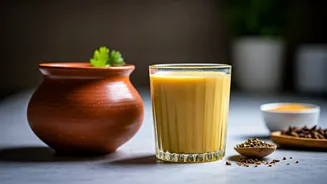
Known as Pazhaya Soru or Panta Bhat in different parts of India, fermented rice water is a traditional powerhouse of nutrients. This simple preparation involves soaking leftover cooked rice in water overnight in a clay pot. The next morning, the rice and water will have fermented slightly, creating a drink rich in probiotics, B vitamins, and minerals like iron and potassium, whose availability increases significantly after fermentation. To prepare it, simply take a portion of leftover cooked rice, submerge it in drinking water within a clay or glass container, and cover it. Let it sit at room temperature overnight. In the morning, you can mash the rice lightly, add salt and perhaps a little buttermilk or chopped shallots, and consume the liquid and the rice. It’s a fantastic, dairy-free probiotic that cools the body and provides sustained energy.
Tips for Safe Home Fermentation
While making your own probiotic brews is straightforward, food safety is crucial. Always start with clean, sterilized equipment, especially the glass or ceramic jars you use for fermentation. Never use metal containers, as they can react with the acids produced during fermentation. Use the amount of salt specified in the recipe; it's essential for preventing the growth of harmful bacteria. During fermentation, cover the jar with a breathable cloth to allow gases to escape while keeping contaminants out. If you see any signs of fuzzy mould (not the same as yeast sediment) or if the brew has an unpleasantly 'off' smell, it's best to discard it and start again. Store finished ferments like Kanji and Chaas in the refrigerator to slow down the fermentation process and keep them fresh.