



The Problem with Prolonged Sitting
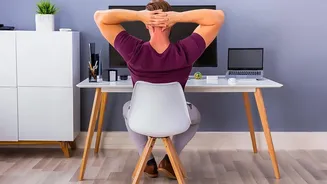
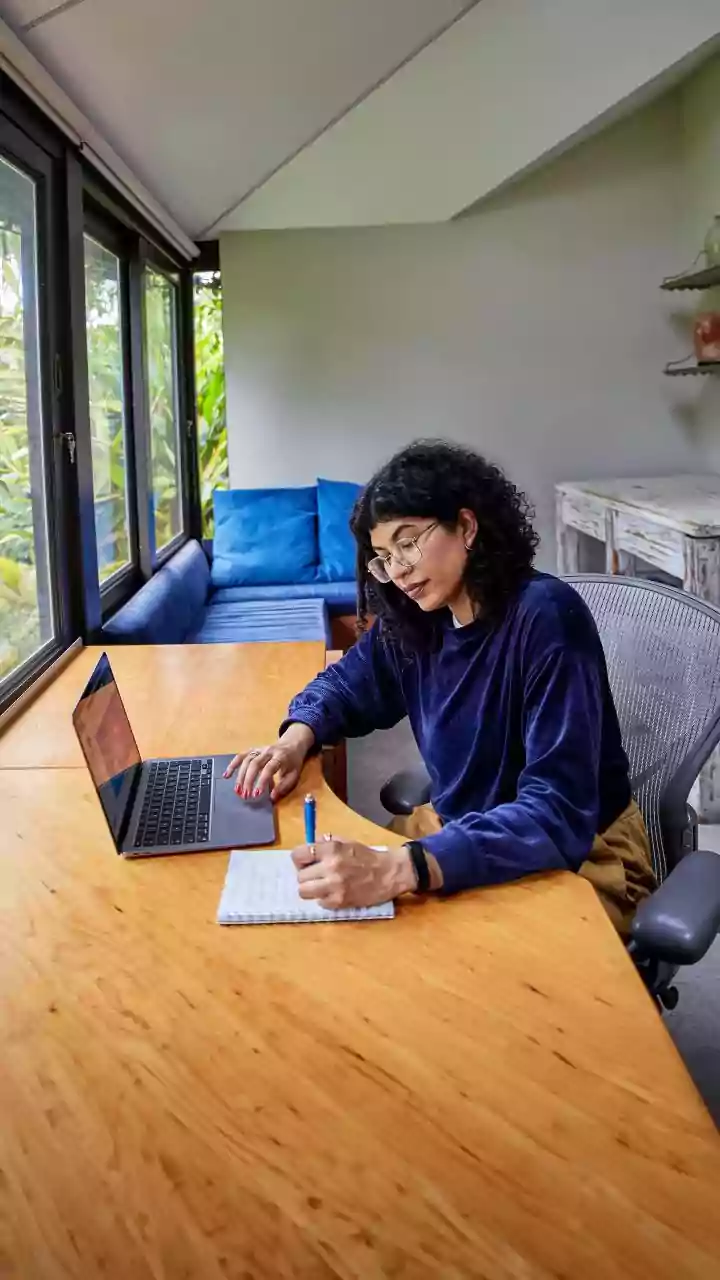
Our bodies are designed for movement, but many of us spend eight or more hours a day in a chair. This prolonged static posture can take a significant toll. When we sit for extended periods, especially with poor ergonomics, we often fall into a slouch.
This causes the head to drift forward, rounding the shoulders and flattening the natural curve of the lower back. This posture puts continuous strain on the muscles in your neck, shoulders, and back, leading to fatigue, stiffness, and pain. Over time, this can contribute to tight hip flexors, weakened core muscles, and even reduced circulation, leaving you feeling sluggish and sore.
Seated Cat-Cow for Spinal Flexibility
One of the most effective ways to counteract spinal stiffness is the Seated Cat-Cow. Sit tall at the edge of your chair with both feet flat on the floor and your hands on your knees. As you inhale, gently arch your back, push your chest forward, and look up toward the ceiling (Cow Pose). This movement helps open the chest. As you exhale, round your spine, tuck your chin toward your chest, and draw your navel in (Cat Pose). This gentle flow, repeated for 5-10 breaths, helps to warm up the spine, release tension, and improve blood flow.
Gentle Neck Rolls for Tension Relief
Neck strain from staring at a screen, often called 'tech neck', is a common complaint. To release this tension, try a simple neck roll. Sit upright and relaxed, then gently drop your chin to your chest. Slowly roll your right ear toward your right shoulder, hold for a moment, then return to the center and repeat on the left side. It’s important to keep the movements slow and gentle, never forcing the stretch. Performing a few repetitions on each side can help alleviate stiffness and may even help reduce tension headaches that result from neck strain.
Seated Spinal Twist to Boost Mobility
Twisting motions are excellent for maintaining spinal mobility and releasing tension in the lower back. While seated, place your feet firmly on the floor. Gently turn your torso to the left, using your right hand on the outside of your left knee for light leverage. You can place your left hand on the back or arm of the chair to deepen the stretch. Exhale as you look over your left shoulder. Hold for 15-30 seconds, breathing steadily, before slowly returning to the center and repeating on the other side. This pose helps massage your internal organs and lengthens the muscles along your spine.
Shoulder Rolls and Chest Openers
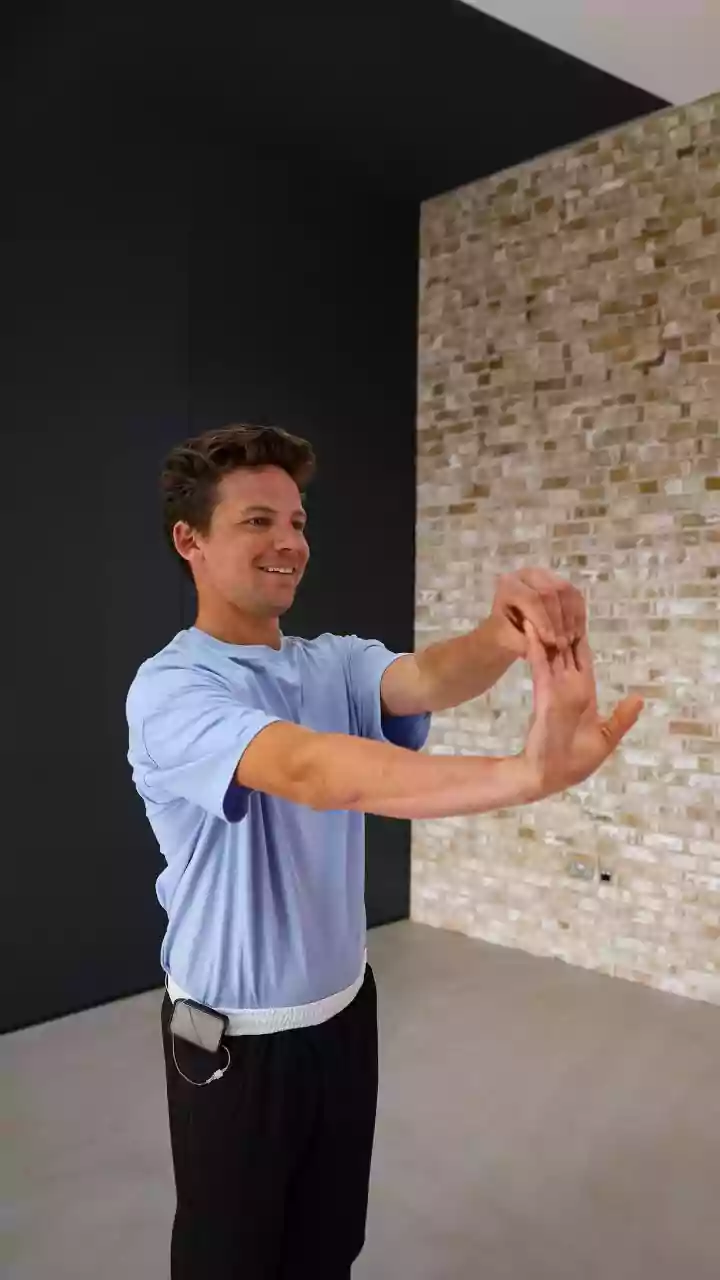
Hunching forward can cause chest muscles to tighten and upper back muscles to weaken and strain. To counteract this, perform simple shoulder rolls. Inhale as you lift your shoulders up toward your ears, then exhale as you roll them down and back, squeezing your shoulder blades together. Repeat this 5-10 times. You can follow this with a chest opener: sit tall and interlace your fingers behind your back. Straighten your arms (or as much as is comfortable) and lift your hands away from your back, opening your chest and shoulders.
Creating a Sustainable Micro-Habit
The key to seeing benefits from these stretches is consistency. It's not about doing a full hour of yoga, but incorporating small, intentional movements throughout your day. Try setting a timer to remind yourself to get up or stretch every 30 to 60 minutes. You could link a stretch to a regular activity, such as doing a Seated Cat-Cow after every long email you send or performing neck rolls at the top of every hour. These 'movement snacks' disrupt the negative effects of static posture, improve circulation, and can even boost your focus and energy levels.