


The Daily Gridlock
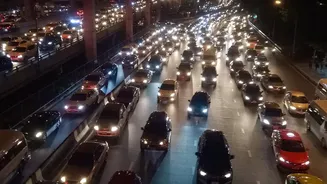
Traffic congestion in India's urban centres is more than just an inconvenience; it's a fundamental constraint that shapes daily life. Major cities like Bengaluru, Pune, and New Delhi consistently rank among the most congested in the world. In Bengaluru, for
example, it can take over 36 minutes to travel a mere 10 kilometres. For commuters, this translates into hundreds of lost hours every year, stuck in slow-moving or standstill traffic. Four-wheelers, with their larger footprint, are particularly vulnerable to this paralysis. Two-wheelers, however, offer a distinct advantage. Their agility and narrow profile allow riders to navigate through tight gaps, filter through stalled traffic, and take shortcuts through lanes inaccessible to cars. This ability to keep moving, even when traffic is at a standstill, makes motorcycles and scooters the most time-efficient option for many, turning a gruelling one-hour car journey into a more manageable 30-minute ride.
The Parking Predicament
Once you reach your destination, a second battle begins: the search for parking. India's cities are grappling with a severe shortage of legal and affordable parking spaces. With vehicle ownership growing exponentially, urban planning has failed to keep pace, leaving footpaths, public parks, and already narrow roads to serve as makeshift parking lots. This illegal parking further chokes traffic flow, creating a vicious cycle of congestion. For car owners, the problem is acute. Finding a spot can involve circling a block for minutes, paying exorbitant fees at private lots, or risking fines and towing. Two-wheelers, by contrast, can be squeezed into small, overlooked spaces, often for free. This ease of parking not only saves time and money but also reduces the mental burden of commuting, making them a far more practical choice for short trips, errands, and daily travel to work.
The Last-Mile Connectivity Gap
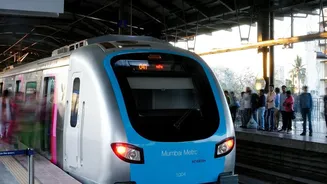
In recent years, Indian cities have invested heavily in expanding metro rail networks. Yet, many of these systems remain underutilised. A primary reason is the failure to solve the 'last-mile connectivity' problem — the challenge of getting commuters from a transport hub like a metro or bus station to their final destination. Feeder buses are often unreliable, and other options can be unsafe or unaffordable. This is where two-wheelers play a critical role. They serve as a personal, on-demand solution that bridges the gap left by public transportation. For a commuter living two kilometres from the nearest metro station, a scooter or motorcycle provides a quick, reliable, and independent way to complete their journey, a journey that might otherwise involve a long walk or an expensive auto-rickshaw ride. Until public transport networks offer seamless door-to-door service, two-wheelers will remain an essential part of the urban mobility ecosystem.
An Economic Necessity
Beyond the logistical headaches, the economic reality of urban India cements the two-wheeler's position. The total cost of owning a car is prohibitively high for a large segment of the population. When factoring in EMI, fuel, insurance, and maintenance, a modest car can cost upwards of ₹29,000 per month to run. In contrast, two-wheelers are significantly more affordable to purchase, maintain, and insure. Their superior fuel efficiency is another major advantage, especially when slow traffic increases fuel consumption for all vehicles. The high cost of land and construction in cities also means that car parking, whether rented or purchased with a home, adds another substantial expense. For millions of middle-class households, a two-wheeler is not just a preference; it is the only viable form of personal transport that fits within their budget.