



The undercut is more than just a haircut; it's a statement. Bold, versatile, and endlessly customisable, this style is defined by a sharp contrast between short sides and a longer top. Ready to explore a look that's both edgy and clean? Here's what you
need to know.
What Exactly Is an Undercut?
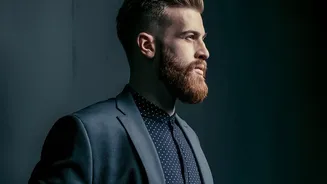
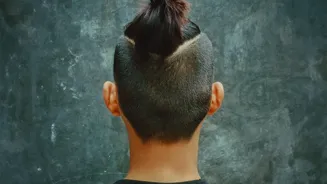
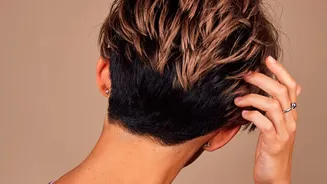
At its core, an undercut involves keeping the hair on top of the head significantly longer while the back and sides are buzzed very short, often to a single length. The key feature is the contrast. Unlike a fade, which gradually blends hair from short to long, a classic undercut has a distinct, sharp line separating the top from the sides. This intentional 'disconnection' is what gives the style its graphic, attention-grabbing look. It can be applied to all hair lengths and textures, from short pixie cuts to long, flowing hair, making it a surprisingly versatile choice for anyone.
Key Variations to Consider
Not all undercuts are the same. The 'disconnected undercut' is the most traditional version, featuring that hard, unblended line for maximum impact. A more modern and forgiving take is the 'faded undercut', which combines the structure of an undercut with the smooth gradient of a fade on the sides. This hybrid offers a softer, more blended look. For those with longer hair, a 'hidden undercut' at the nape of the neck is a popular choice. It removes bulk and adds a surprising detail when the hair is worn up, but remains invisible when worn down.
Will an Undercut Suit You?
The undercut is highly adaptable to different face shapes and hair types. The length on top can add height, which helps balance round or square faces, while the short sides create a slimming effect. If you have a longer face shape, styling the top with a side-sweep rather than straight up can create better proportions. The style is particularly beneficial for those with thick hair, as it masterfully removes weight and bulk. It also works well with straight, wavy, and curly hair; the main difference is how you’ll style the top section to either create sleek lines or embrace natural texture.
Essential Styling Techniques
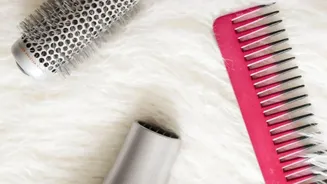
Styling is what brings your undercut to life. The product you choose depends on the look you want. For a slicked-back, polished finish, a pomade or gel applied to damp hair works best. For a more textured, matte look, reach for a styling wax or clay and work it through with your fingers. Volume is often key. Using a blow dryer can make a huge difference, directing the hair upwards or backwards as it dries to give it lift and hold before applying any product. A sea salt spray is another great tool for adding a bit of grit and natural-looking movement without heavy hold.
Maintenance: Keeping Your Look Sharp
A sharp undercut requires regular maintenance. Because the contrast is the main feature, regrowth on the short sides becomes noticeable relatively quickly. To keep the lines clean and defined, plan on visiting your barber or stylist every two to four weeks for a touch-up on the sides and back. The longer hair on top can go longer between cuts, typically every four to six weeks. If you decide to grow it out, be prepared for a slightly awkward phase as the sides catch up to the top. The most graceful way to manage this is to let the top hang over the sides as they grow, gradually transitioning into a more blended style.