





Beyond the Overwater Bungalow
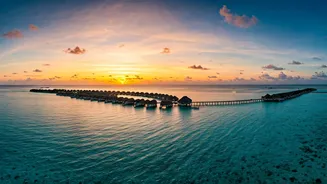
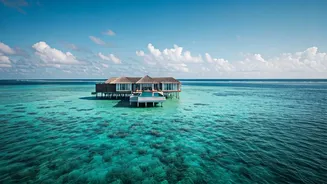
The iconic overwater villa is the star of most Maldives travel content, and for good reason. It offers unparalleled privacy and direct access to the lagoon. However, it's far from the only option, and often the most expensive. For a more social or family-friendly
vibe, consider a beach villa, which offers more space and easy access to the island's sands and amenities. For avid divers, a liveaboard boat provides the ultimate underwater adventure, moving between top dive sites over several days. And for budget-conscious travellers or those seeking cultural immersion, guesthouses on local islands have become an increasingly popular choice. This option offers a glimpse into everyday Maldivian life, though it comes with different rules—most notably, alcohol is prohibited and modest dress is expected outside of designated 'bikini beaches'.
Choosing Your Atoll Wisely
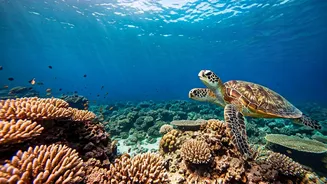
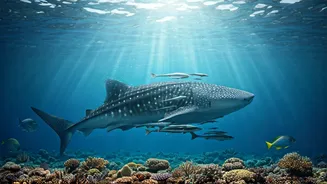
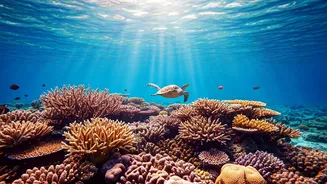
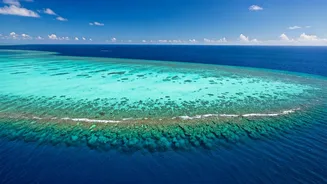
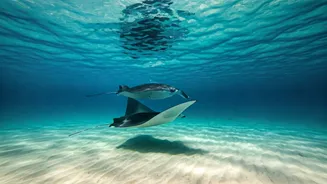
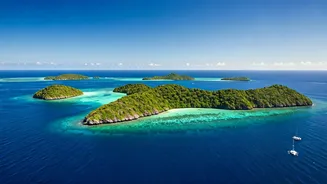
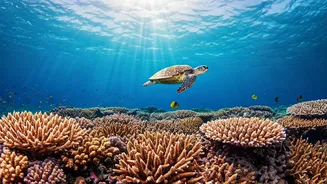
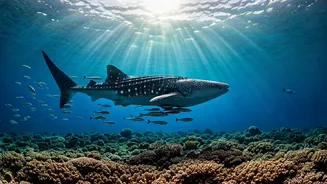
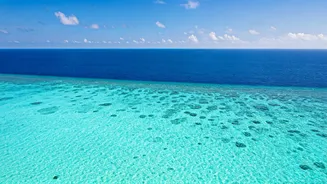
The Maldives isn't one island; it's a sprawling archipelago of nearly 1,200 islands grouped into 26 coral atolls. Where you stay dramatically shapes your experience. The North and South Malé Atolls are the most accessible, located near Velana International Airport (MLE). This convenience means shorter (and often cheaper) speedboat transfers, but also more boat traffic and less of a secluded feel. For world-class marine biodiversity, the Baa Atoll, a UNESCO Biosphere Reserve, is famous for its manta ray and whale shark congregations, particularly from May to November. Further south, remote atolls like Gaafu Alifu or Addu offer pristine reefs, fewer crowds, and some of the nation's best surf breaks. Your choice of atoll dictates the cost and time of your transfer—either a speedboat, a seaplane, or a domestic flight followed by a boat.
Decoding the Itinerary 'Inclusions'
Those '7-Day Bliss' itineraries often look similar, but the details matter. The key is understanding the meal plan. 'Bed & Breakfast' is the most basic. 'Half Board' includes breakfast and dinner, while 'Full Board' includes all three meals, but usually not drinks. 'All-Inclusive' is the most comprehensive, typically covering all meals, snacks, and a wide selection of alcoholic and non-alcoholic beverages. Some ultra-luxe resorts offer 'Premium All-Inclusive' which might add champagne, premium spirits, and daily excursions. Carefully check what's included. Are non-motorised water sports like kayaking and paddleboarding free? What about snorkelling gear? Excursions like sunset cruises, dolphin watching, or sandbank picnics are almost always an extra cost unless specified. A cheaper base price might end up costing more once you add food, drinks, and activities.
The Local Island Experience
For decades, tourism in the Maldives was confined to private resort islands. A policy change in 2009 opened the door for locals to run their own guesthouses, creating a new, affordable way to experience the country. Islands like Maafushi, Thulusdhoo, and Ukulhas have developed tourism infrastructure with cafes, dive centres, and souvenir shops. Staying on a local island offers an authentic connection to Maldivian culture that is absent from the resort bubble. You'll eat at local cafes, hear the call to prayer, and see daily life unfold. However, it's crucial to respect Islamic customs. Alcohol is not available, and while resorts are liberal, on local islands you should dress modestly when walking through the village. Designated tourist beaches allow for bikinis, but covering your shoulders and knees elsewhere is a sign of respect.
Timing and Budget Realities
The Maldives has two main seasons. The dry season (northeast monsoon) runs from December to April, promising the most sunshine, calmest seas, and lowest humidity. It's also peak season, with the highest prices. The wet season (southwest monsoon) runs from May to November, bringing a higher chance of rain and wind, but also lower prices and fewer tourists. The shoulder months—like May and November—can offer a sweet spot of decent weather and better value. When budgeting, remember the 'hidden' costs. The mandatory 16% Goods and Services Tax (GST) and service charges are added to almost everything. The biggest variable is transfers. A 20-minute speedboat ride might cost $150 per person, while a 45-minute seaplane journey could be upwards of $500 per person, round-trip. Always confirm transfer costs before booking.