



Beyond Textbooks and Telescopes
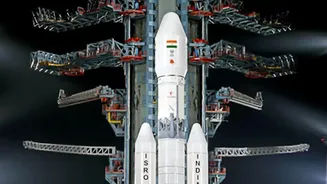
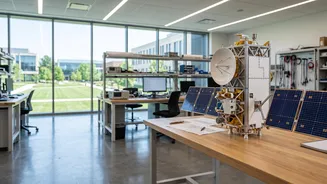
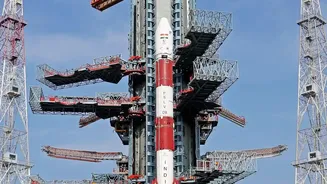
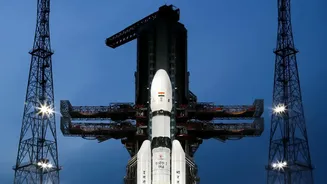
Classroom physics can feel abstract. Learning about gravitational forces and satellite mechanics from a textbook is one thing, but seeing a life-sized model of a Polar Satellite Launch Vehicle (PSLV) or the cleanroom where satellites are assembled is another.
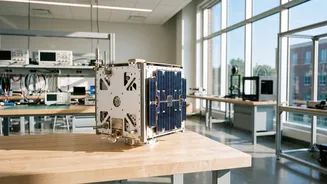
Educational visits to Indian Space Research Organisation (ISRO) centres like the Satish Dhawan Space Centre in Sriharikota or the U.R. Rao Satellite Centre in Bengaluru provide a powerful, tangible connection to science. They transform theoretical concepts into real-world applications, showing students the direct result of complex equations and engineering principles. This experiential learning is something no book can replicate; it's the difference between reading about space and feeling the pulse of its exploration. These tours often include access to exhibition halls, models of historic satellites like the INSAT or Chandrayaan series, and sometimes even interactions with the scientists and engineers who build and launch them.
Igniting a Spark for STEM
The primary goal of ISRO's outreach, including its flagship Young Scientist Programme (YUVIKA), is to "catch them young" and encourage more students to pursue careers in Science, Technology, Engineering, and Mathematics (STEM). When students see the array of disciplines at play—from mechanical and electronics engineering to computer science and material science—it broadens their understanding of what a STEM career can be. The YUVIKA program, a two-week residential course for Class 9 students, is a prime example of this strategy in action. Participants engage in hands-on activities, build model rockets, and get direct mentorship from senior scientists, creating a formative experience designed to cultivate scientific temper. By demystifying the world of space technology, these initiatives make careers in the sector seem more achievable and exciting, directly addressing the national need for a skilled future workforce.
A Universe of Career Choices
A common misconception is that working in the space industry is limited to being an astronaut or a rocket scientist. A visit to an ISRO facility quickly dispels this myth. Students are exposed to a vast ecosystem of roles essential for every mission's success. There are aerospace engineers designing launch vehicles, satellite engineers building communication systems, and software experts writing code for mission control. Beyond that, the field needs mission analysts, data scientists who interpret petabytes of satellite imagery, and cybersecurity experts to protect space-based assets. There's even a growing need for specialists in space policy and law to navigate the regulations of this expanding frontier. This exposure is crucial, as it reveals a spectrum of opportunities that align with varied interests and skill sets, from pure research to project management.
Fueling India's Private Space Boom
Today, a career in space is no longer just about joining ISRO. Following government reforms in 2020, India’s private space sector is undergoing explosive growth. The country now boasts around 440 space startups, with companies like Skyroot Aerospace, Agnikul Cosmos, and Pixxel making significant strides in launch vehicles and satellite technology. This burgeoning ecosystem, supported by the Indian National Space Promotion and Authorisation Centre (IN-SPACe), is creating thousands of new jobs. For students inspired by a visit to ISRO, this means the horizon of opportunity is wider than ever. They can aspire to join a dynamic startup, contribute to building indigenous rockets, or work on commercial satellite constellations. India's space economy, valued at $8.4 billion, is projected to reach over $40 billion by the early 2030s, signalling a massive demand for skilled talent.
From Inspiration to Liftoff
For an inspired student, the path from a facility tour to a space career has clear next steps. A strong foundation in physics, mathematics, and computer science is essential. Programs like ISRO's YUVIKA offer a competitive, merit-based entry point for early exposure, considering academic marks, quiz performance, and even participation in science fairs. For higher education, institutions like the Indian Institute of Space Science and Technology (IIST) offer specialized undergraduate and postgraduate programs in aerospace engineering and avionics. Beyond a traditional path, the growing private sector offers internships and entry-level positions for graduates with relevant engineering and technology degrees. The journey may be demanding, but the roadmap is clearer now than at any point in India's history.