




The Great Protein Pivot
Not long ago, protein was a word primarily associated with gym-goers and bodybuilders. Today, it has become a mainstream requirement in the Indian snack aisle. A recent consumer report highlights this dramatic shift, revealing that an overwhelming 86%
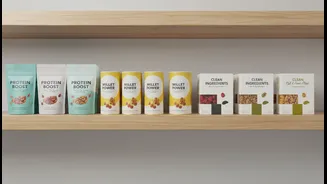
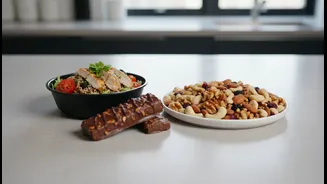
of Indian snackers now consider protein an important factor in their choices. This pivot is driven by a broader wellness trend, where consumers are more conscious of their dietary habits and seek foods that offer functional benefits beyond just satisfying a craving. The demand isn't just for a token amount; nearly a third of consumers are willing to pay a premium for genuinely high-protein snacks. This has led to an explosion of options, from protein bars and fortified chips to the rebranding of traditional foods like roasted chana and sattu as high-protein powerhouses. The message is clear: snacking is no longer just about indulgence; it’s about smart, 'guilt-free' nutrition that fits into a busy, health-aware lifestyle.
Why Taste Still Reigns Supreme
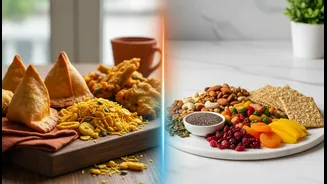
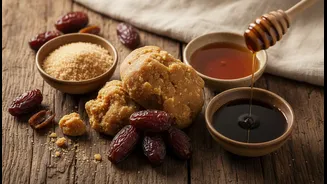
While health is the new priority, Indian consumers are unwilling to compromise on flavour. The expectation is not to replace beloved masalas with bland health food, but to find the perfect marriage of the two. The challenge for brands is to innovate without losing the authentic taste profile that defines Indian snacking. This means delivering products that are baked, not fried, use whole grains, and feature natural sweeteners, yet still offer that familiar, satisfying crunch and spice. A significant 61% of consumers, for instance, prefer snacks sweetened with natural ingredients like dates or jaggery over refined sugar, demonstrating a move towards cleaner but still flavourful options. Brands that succeed are those that understand this duality. They are launching products like high-protein popped pea chips with Indianized flavours or bringing back traditional snacks like millet-based items, re-engineered for a modern, health-conscious palate. The lesson is simple: nutrition gets the consumer's attention, but taste secures their loyalty.
The New Currency of Trust
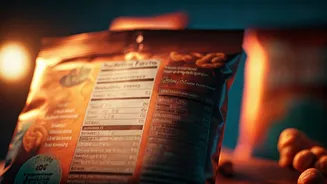
In an increasingly crowded market, trust has become the ultimate differentiator. For today's snacker, trust is built on transparency. More than 60% of consumers state that clear information about ingredients is the most critical factor when choosing a snack brand, ranking it far above celebrity endorsements or influencer marketing. This is the 'clean label' revolution in action. Consumers are actively reading the back of the pack, looking for short, understandable ingredient lists and shunning artificial additives and preservatives. This demand for honesty has fueled the rise of new-age Direct-to-Consumer (D2C) brands. These companies often build a loyal following by communicating openly about their sourcing, manufacturing processes, and the nutritional philosophy behind their products. By putting transparency at the core of their brand, they are proving that what's left out of a snack can be just as important as what's put in.
Who Is Driving This Change?
This snacking evolution is primarily led by urban millennials and Gen Z. Armed with higher disposable incomes and information from the internet, they are more discerning about their lifestyle choices. But the trend is expanding beyond just young, single professionals. Health-conscious parents are a significant force, with nearly 60% willing to pay more for healthier snack alternatives for their children. The rise of quick commerce platforms like Blinkit and Zepto has also played a pivotal role, making discovery and purchase of these niche, healthy snacks incredibly convenient. These platforms have become a primary sales channel, allowing new brands to reach customers directly and turning healthy snacking into an accessible, everyday habit rather than a specialty purchase.