






The Fading Predictability of Travel
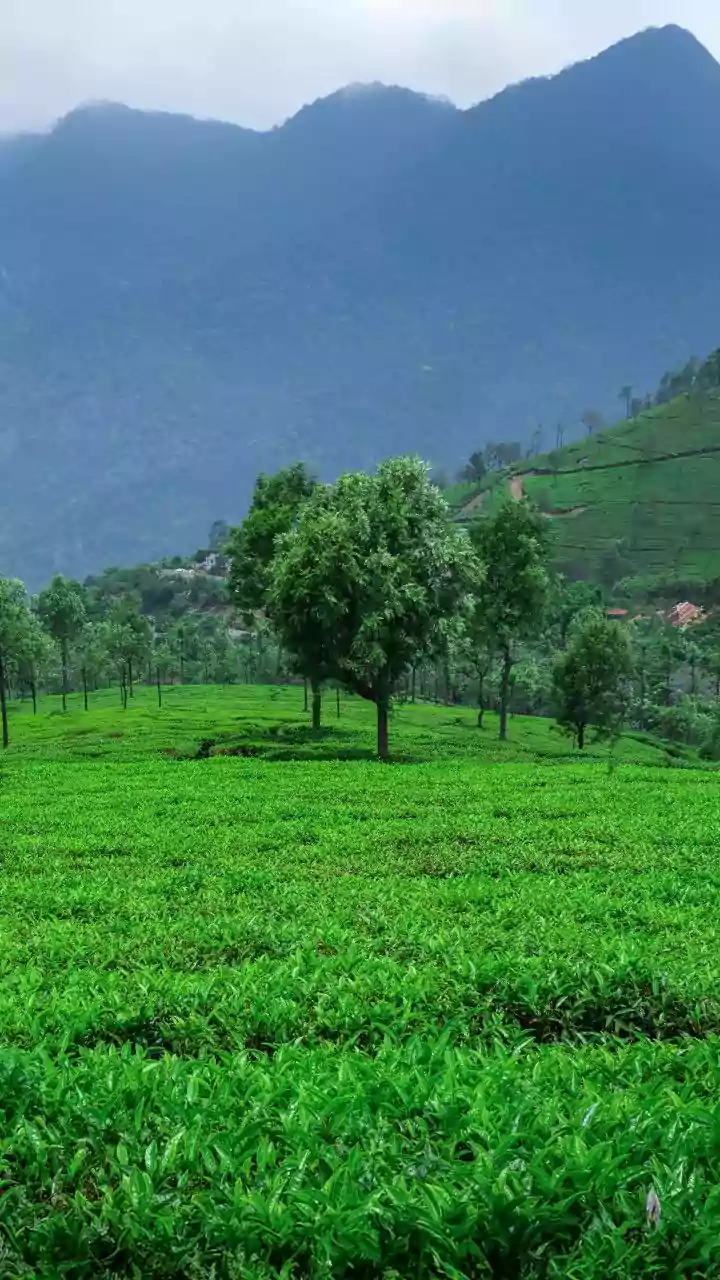
For generations, the Indian travel calendar was a predictable affair. Summers meant escaping the scorching plains for the cool climes of Shimla, Manali, or Ooty. Monsoon was for quiet, green getaways in Kerala or Goa. Winters were for desert safaris in Rajasthan
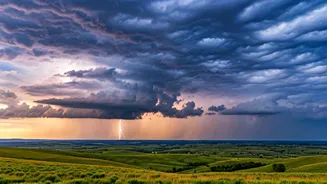
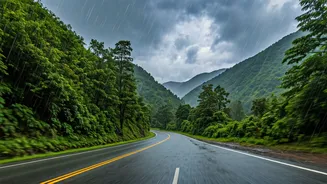
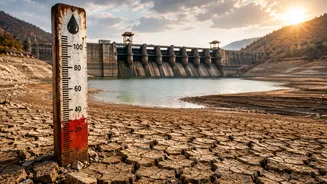
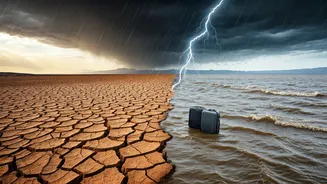
or relaxing on a southern beach. This rhythm, however, is being violently disrupted. The very destinations once sought as refuge are now becoming zones of climate risk. The devastating flash floods in Himachal Pradesh in 2023, which washed away roads and stranded thousands of tourists, served as a grim warning. Similarly, relentless heatwaves across North and Central India are making summer city breaks or heritage tours not just uncomfortable, but dangerous.
The Rise of the 'Shoulder Season'
In response, a new travel trend is taking hold: the 'shoulder season'. Instead of braving the peak summer rush in May and June, savvy travellers are now booking trips for March-April or late July-August. These periods, once considered off-season, now offer a sweet spot of pleasant weather, fewer crowds, and often, lower prices. Travel portals report a significant uptick in bookings for hill stations during these shoulder months. It’s a strategic retreat from the extremes. Travellers are no longer just planning around school holidays or festivals; they are planning around weather forecasts, choosing to visit popular destinations when they are climatically most stable, even if it means travelling at unconventional times.
New Pins on the Map
As traditional destinations become risky, travellers are redrawing their maps and seeking out new havens. The pristine, less-crowded landscapes of the Northeast are seeing a surge in interest. States like Arunachal Pradesh and Meghalaya, with their cooler temperatures and unique cultural experiences, are becoming the new summer favourites. Coastal towns in Odisha and Andhra Pradesh are emerging as alternatives to the over-saturated beaches of Goa, especially for those seeking tranquillity. Even within states, the focus is shifting. Instead of Shimla, travellers are exploring quieter, less-developed valleys in Himachal. This shift is not just about avoiding bad weather; it’s a search for sustainability and respite from the over-tourism that has plagued popular hotspots.
From Long Holidays to 'Drivecations'
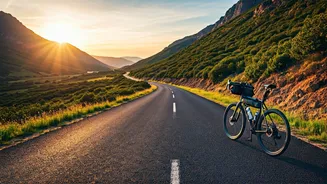
The unpredictability of long-distance travel, with risks of flight cancellations and road closures, is also fuelling the rise of 'drivecations' and micro-trips. Families and groups are opting for shorter, more frequent holidays to destinations within a few hours' drive from their homes. This allows for flexibility; a trip can be planned or cancelled at the last minute based on a weekend weather forecast. The pandemic normalised this trend, but climate uncertainty has cemented it. This pivot has given a new lease of life to resorts, homestays, and boutique properties on the outskirts of major metropolitan cities, which are now catering to a steady stream of weekend visitors seeking a quick escape.
How the Industry Is Adapting
The travel and hospitality industry, caught in the crosscurrents of these changes, is scrambling to adapt. Hotels are offering more flexible booking and cancellation policies, acknowledging that weather can derail plans in an instant. Tour operators are curating 'all-weather' itineraries and promoting destinations that are less susceptible to climate extremes. There's a growing emphasis on 'conscious travel', where companies educate tourists about local environmental sensitivities. Dynamic pricing is no longer just about demand, but also about climate risk. A sunny weekend forecast can now cause prices to spike as much as a long holiday weekend once did. The industry is slowly learning that in the new climate reality, adaptability is the key to survival.