



A Vision Inspired by Singapore
The city of Lucknow is set to redefine wildlife tourism in India with a pioneering project in the Kukrail Reserve Forest. After receiving the final go-ahead from the Supreme Court in July 2026, the Uttar Pradesh government is moving forward with its plan
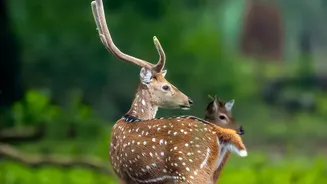
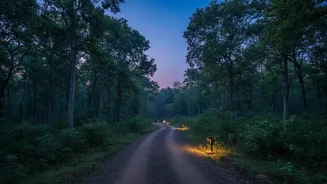
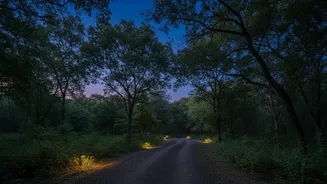
to establish the country's first urban night safari. Inspired by the world-renowned Singapore Night Safari, the project aims to offer visitors a chance to see nocturnal animals in their natural element, active after sunset. Unlike traditional daytime zoos where many animals are resting, this innovative park will use specially designed, simulated moonlight to illuminate the habits of creatures of the night without disturbing them. This ambitious undertaking, with a budget of around Rs 1,500 crore, is poised to become a major attraction, placing Lucknow on the international ecotourism map.
What to Expect After Dark
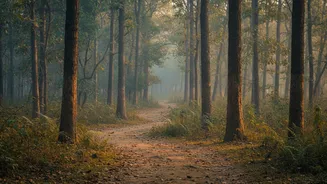
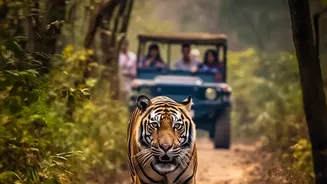
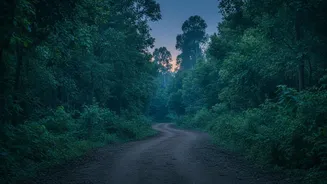
The experience is designed to be immersive and educational. Visitors will board quiet, battery-operated trams for a journey through different themed zones within the safari. A planned 40-minute ride will take guests through recreated naturalistic habitats showcasing species like the Asiatic lion, Bengal tiger, leopard, and hyena. The enclosures are being designed to mimic various ecosystems, including grasslands and wetlands, providing an authentic viewing experience. Beyond the tram ride, the master plan includes nature trails, visitor interpretation centres, a 7D theatre, and an auditorium to enhance the educational aspect of the visit. The entire park is being developed within an 855-acre section of the larger Kukrail Reserve Forest, ensuring ample space for the animals and a dense, natural environment for the safari.
Conservation at its Core
While the safari is a major tourism initiative, conservation remains a central pillar of the project. The Kukrail forest area is already home to a significant conservation success story: the Gharial Rehabilitation Centre, established in the 1970s. This centre has played a crucial role in breeding and releasing thousands of critically endangered gharials back into India's rivers, and this important work will continue alongside the new development. The project also includes plans for a world-class wildlife hospital and breeding facilities for several species. However, the project has faced scrutiny. Environmental safeguards were a key condition of the Supreme Court's approval, which mandated that the development must adhere to strict guidelines. Original plans to relocate the Lucknow Zoo and build a four-lane road were rejected to protect the area's ecological balance and thousands of trees.
Timeline and Economic Impact
With legal hurdles now cleared, the project is on a fast track. Construction is expected to proceed in two phases, with the night safari being the priority in Phase I. While earlier estimates suggested a possible opening by December 2026, the construction timeline for the first phase is projected to take about two years. The state government views the night safari as a game-changer for Uttar Pradesh tourism, hoping to attract both domestic and international visitors beyond the state's traditional religious and heritage circuits like Agra and Varanasi. The development is also expected to create significant local employment opportunities and boost the regional economy, giving travellers another compelling reason to explore Lucknow's rich cultural tapestry after the sun sets.