



Your Body's Silent Protest
Working from home has dissolved the natural movement of office life—the walk to a meeting room, the stroll to a colleague's desk, the commute. Instead, many remote workers remain in one spot for hours, leading to what experts call a sedentary lifestyle.
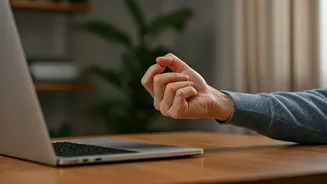
This prolonged sitting is linked to a host of issues, including poor posture, back and neck pain, and even increased risks of cardiovascular disease. Your body wasn't designed to be stationary all day. That urge to stretch isn't random; it's a physical response to discomfort and stiffness. When you've been hunched over a laptop, your muscles cry out for relief. The brief, satisfying stretch is your body's way of protesting immobility, boosting blood flow, and demanding a break from the static posture you've been holding. Studies have found that a significant number of remote workers report lower back and neck pain, a direct result of inadequate ergonomic setups and prolonged sitting.
The Digital Trigger
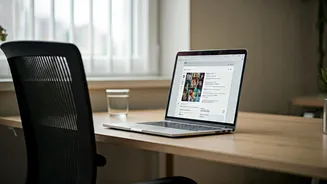
So why does this physical urge seem so tied to scrolling through a feed? Social media and news sites are designed with variable reward systems, offering unpredictable bits of interesting content that keep us hooked, often longer than intended. This creates a state of low-level cognitive engagement—you’re occupied, but not deeply focused. It’s the perfect mental space for physical needs to surface. As your brain gets its quick hit of social validation or news, it also becomes more aware of your body's discomfort. The digital feed acts as a mental pause button on your work, which in turn allows the body's need for a physical pause to come to the forefront. Some research suggests that while social media can offer a sense of connection, especially for isolated remote workers, it doesn't provide true recovery from fatigue. It's more of a distraction that, luckily, can trigger a healthier physical habit.
Productive Pause or Procrastination?
The scroll-and-stretch cycle can be both helpful and harmful. On one hand, any movement is better than none. These 'movement snacks' or 'micro-breaks' are incredibly beneficial. Research shows that short, frequent breaks are more effective at combating the negative effects of sitting than one long exercise session. Just five minutes of walking every half hour can lower blood sugar spikes and blood pressure. These brief moments of activity improve circulation, reduce muscle stiffness, and can even boost focus and productivity when you return to your task. On the other hand, if the 'feed' part of the cycle becomes a time sink, it morphs into procrastination. The danger is not the stretch itself, but the digital rabbit hole that precedes it. Many remote workers report feeling guilty about taking breaks, which can lead to these unstructured, often frantic, moments of distraction instead of intentional rest.
Harnessing the Habit for Good
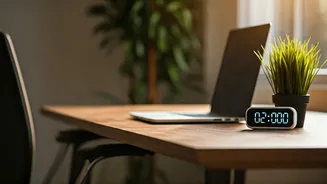
The key is to embrace the impulse to move but manage the trigger. Instead of waiting for a social media binge to remind you, schedule intentional movement breaks. The popular Pomodoro Technique, which involves working for 25 minutes followed by a five-minute break, is a great framework. Use those five minutes to consciously get away from your screen. Stand up, walk around your home, or do a few simple desk stretches. Focus on areas that get tight from sitting, like your neck, shoulders, back, and hips. You don't need a full yoga routine; a few targeted movements are enough. For example, simple torso twists while seated, standing up for calf raises, or doing a gentle cat-cow stretch against your desk can make a huge difference. By turning an unconscious reaction into a conscious habit, you get all the physical and mental benefits without the associated distraction and guilt of mindless scrolling.