
The Science of Green
The brilliant colour in green peas, and all green vegetables, comes from a pigment called chlorophyll. Unfortunately, chlorophyll is sensitive and begins to break down when exposed to heat and acid. When you cook peas, their own natural acids are released,
and these acids attack the chlorophyll, causing the magnesium atom at its core to be replaced by hydrogen. This chemical change is what transforms the colour from a lively green to a drab, brownish-green. The longer the peas are cooked, the more this degradation occurs, resulting in a mushy texture and a loss of their sweet flavour.
The Golden Rule: Blanch and Shock
The most effective method for preserving that bright green colour is a simple, two-step process called 'blanch and shock'. Blanching involves cooking the peas for a very short time in a large pot of rapidly boiling, salted water. A brief cook time of just 90 seconds to two minutes is all that's needed to cook them through while retaining their crispness. The moment they're done, they must be 'shocked' by immediately transferring them to a large bowl of ice water. This rapid cooling halts the cooking process instantly, locking in the vibrant colour and preventing the peas from becoming mushy. After a few minutes in the ice bath, simply drain them well.
Tips for Different Cooking Methods
While blanching is ideal, you can apply the core principle of 'fast cooking' to other methods. When steaming or microwaving, use only a very small amount of water—just enough to create steam—and cook for only a few minutes until the peas are hot and tender. For sautéing, a hot pan with butter or oil will cook the peas quickly, preserving their texture and colour beautifully; this method works exceptionally well for frozen peas. The key across all methods is to minimise cooking time. Green vegetables like peas begin to lose their colour after about seven minutes of cooking, so speed is your best friend.
Working with Fresh vs. Frozen Peas
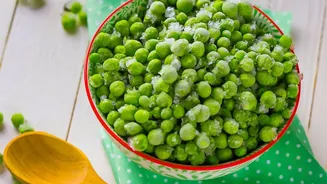
Most frozen peas have already been blanched before being packaged, which is why they often stay greener and cook much faster than fresh peas. When cooking with frozen peas, you don't need to thaw them first. Simply add them directly to your pan or boiling water; they typically only need a few minutes to heat through. For fresh-shelled English peas, the blanch and shock method is highly recommended to deactivate enzymes that can cause discolouration and off-flavours, and to lock in that bright green colour before using them in a recipe or freezing them for later use.
Common Mistakes to Avoid
One of the biggest mistakes is overcooking. Peas are small and cook very quickly, so anything more than a few minutes can lead to a dull colour and mushy texture. Another common error is covering the pot. Covering traps the plant's natural acids in the steam, which then drips back onto the peas and accelerates colour loss. Finally, resist the old-fashioned advice to add a pinch of baking soda to the water. While it makes the water more alkaline and can initially make the peas look very green, it also breaks down the vegetable's cell walls, resulting in a mushy texture and destroying valuable nutrients.
Perfectly Green Peas in Any Dish
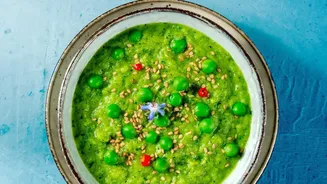
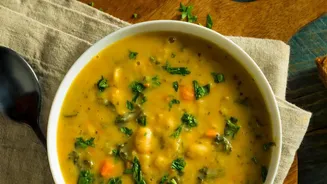
To ensure your peas shine in every recipe, add them at the very end of the cooking process. Whether you're making a risotto, pasta, soup, or stew, stirring in your perfectly cooked peas during the last two to three minutes of cooking is all that's needed to heat them through without sacrificing their colour or pop. If you've blanched your peas ahead of time, you can toss them into salads or fold them into a finished dish just before serving. This simple timing trick ensures they remain a bright, sweet, and delicious highlight of your meal.