






Why September Is the Other January
Many of us are conditioned from our school days to see September as a new beginning. Researchers call this the "fresh start effect," where a meaningful turn of the calendar gives us a motivational boost. Unlike the pressure of New Year's resolutions in a cold,
dark January, September feels like a more natural and gentle reset. After a summer of flexible schedules and holiday eating, our minds and bodies often crave a return to structure. This makes it an ideal time to make small, intentional changes to your eating habits that are more likely to stick. The goal isn't a complete overhaul, but a gentle realignment with routines that make you feel your best.
Embrace India's Autumn Harvest
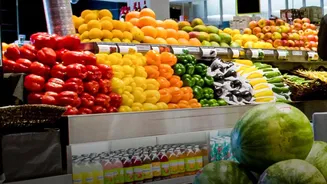
One of the biggest advantages of a seasonal reset is the food itself. Eating produce that is in season means it is fresher, more flavourful, and packed with the highest nutritional value. It's also more affordable and better for the environment. In September, the last of the monsoon rains give way to a new bounty. Look for vegetables like coriander, spinach, cabbage, brinjal, and beans. This is also a great time for root vegetables like carrots and beets, and gourds that are perfect for heartier dishes. Transitioning your diet to include these seasonal superfoods supports your immune system as the weather begins to change.
Shift from Cooling to Warming Foods
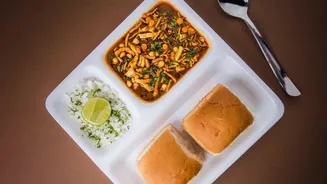
Ayurveda has long emphasised eating in harmony with the seasons to maintain balance. While summer called for light, cooling foods like salads and fresh fruit, the transition to autumn invites warmer, more grounding meals. This is the perfect time to bring back comforting soups, flavourful dals, and roasted vegetables. Swap raw or uncooked meals for cooked proteins and homemade broths. You can also incorporate warming spices like ginger, turmeric, and cinnamon, which not only add flavour but also have anti-inflammatory properties that are beneficial as cold and flu season approaches.
Restart Your Meal Planning Habit
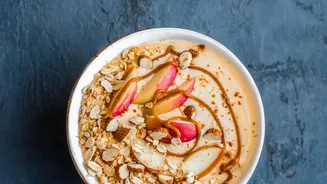
If meal planning fell by the wayside during summer, September is your chance to bring it back without the pressure. Start small by planning just a few dinners for the week or focusing on make-ahead breakfasts like overnight oats or chia pudding to streamline your mornings. A great strategy is to dedicate a couple of hours on the weekend to batch-cook grains, chop vegetables, or prepare a versatile sauce that can be used in multiple meals. Having these components ready makes pulling together a healthy weeknight dinner significantly less daunting. A well-stocked pantry with staples like canned beans, whole grains, and low-sodium broths is another lifesaver for busy days.
A Smarter Approach to Your Grocery List
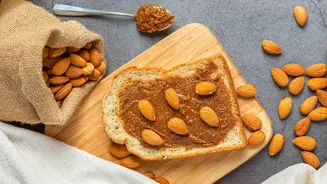
A successful routine update starts at the store. Before you go, take stock of your pantry and fridge. Build your grocery list around the seasonal produce you plan to eat. This focus helps you avoid impulse buys and reduces food waste. To ensure freshness, you might even consider making two smaller trips for produce each week instead of one large one. This is also a good time to restock your pantry with essentials for fall cooking: whole grains like quinoa and farro, a variety of lentils and beans, canned tomatoes, and warming spices. Thinking in terms of meals, rather than just ingredients, can help you build a more effective and budget-friendly shopping cart.