






Art That Breathes
Forget messy paints and bulky canvases. The latest wave in do-it-yourself creativity is all about clean lines, airy forms, and minimalist beauty. Wire sculpture, an art form once primarily associated with masters like Alexander Calder, is finding a new
life on the craft table. Using little more than a strand of metal, you can create expressive figures, abstract shapes, and delicate botanicals that seem to float in space. This art form is essentially drawing in three dimensions, offering a unique way to bring your sketches to life. The appeal lies in its simplicity and the stunning visual impact of the finished product. These sculptures interact with light and shadow, changing their appearance throughout the day and adding a dynamic, sophisticated touch to any room.
The Essential Toolkit for Beginners
Getting started with wire sculpture is surprisingly affordable and doesn't require a dedicated studio. The most essential items are wire and a few basic pliers. For beginners, soft and pliable aluminum wire is a great choice. It's lightweight, rust-proof, and easy to bend by hand or with minimal tools. Copper wire is another beautiful option that develops a lovely patina over time. You'll find wire sold in different thicknesses, or gauges; a 14 to 20-gauge wire is a versatile starting point for most projects. To manipulate the wire, you'll need a small set of pliers. The must-haves include needle-nose or chain-nose pliers for gripping and making sharp bends, round-nose pliers for creating smooth curves and loops, and a pair of flush cutters for clean, safe cuts. As you advance, you might add nylon-jaw pliers to straighten wire without scratching it.
Your First Wire Masterpiece
The best way to learn is by doing. Start with a simple concept that relies on a single, continuous line. This could be a one-line face profile, a simple flower, a favourite word in cursive script, or a basic animal silhouette. Before you touch the wire, it helps to have a clear idea. You can either sketch your design on paper and use it as a template to follow or find a simple line-art image online to trace. Begin by unspooling a generous length of wire, but don't cut it from the spool until you are finished, to minimise waste. Use your hands for broad curves and your pliers for tighter, more detailed bends. Don't worry about perfection on your first try; part of the charm of wire art is its free-flowing, organic character. The wire can have a mind of its own, so be patient and embrace the process.
From Hobby to Home Accent
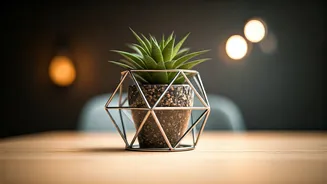
Once you've created your piece, the possibilities for display are endless. You can mount your sculpture on a small block of wood for a professional look, creating a stable base to sit on a shelf or desk. Simply drill a small hole into the wood and secure the end of your wire with a dab of strong glue. Another popular option is to create minimalist wall art. Smaller, lightweight pieces can be hung from a single nail, while larger designs can be framed in a shadow box to create a gallery-worthy display. You can also create a series of small sculptures—like a collection of different leaves or abstract shapes—and arrange them together on a wall for a bigger impact. The delicate nature of wire art means it complements almost any decor style, from modern and industrial to bohemian and eclectic.