

The Great August Garden Struggle
Welcome to the most confusing time for a balcony gardener. The air is thick and soupy, the sun feels intense, and your plants look… thirsty? You water them, but they still look sad. The next day, it rains, and suddenly your pots are sitting in a swamp.
This combination of high heat, high humidity, and potential over-watering creates a perfect storm for plant failure. Heat and humidity encourage fungal diseases and pests, while waterlogged soil suffocates roots, preventing them from absorbing water and nutrients. It's a tricky situation where plants can effectively drown in wet soil, even as they wilt under the oppressive heat.
Is Your Plant Drowning? How to Tell
Before you can fix the problem, you need to correctly diagnose it. The symptoms of overwatering can confusingly mimic those of a thirsty plant, but there are key differences. The most common sign is yellowing leaves, especially lower ones, that feel soft or limp, not dry and crispy. Another major clue is a plant that is wilting even though the soil is damp to the touch. This happens because the roots are starting to rot from lack of oxygen and can no longer function properly. You might also notice brown leaf tips, a musty smell from the soil, or even a sudden infestation of tiny black fungus gnats, which thrive in moist conditions.
A Foundation for Success: Pots & Soil
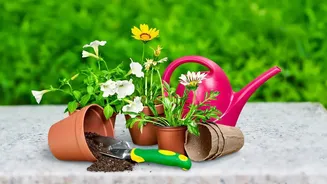
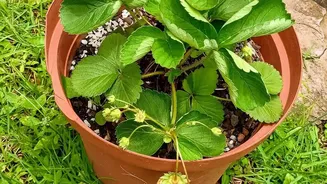
The single most important step you can take to prevent waterlogging is to build a resilient foundation. This starts with your pots and soil. First, never use a pot without drainage holes; it's a guaranteed recipe for root rot. If you have decorative pots without holes, use them as outer cachepots and place your plant in a smaller plastic pot with drainage inside. Second, ditch the heavy garden soil. In a container, it compacts easily, drains poorly, and becomes a dense block of mud. Instead, use a lightweight, well-aerated potting mix. You can buy pre-made mixes or make your own by combining ingredients like cocopeat or peat moss with perlite and compost. Perlite, the little white volcanic rocks, is crucial for creating air pockets and ensuring excess water can drain away freely.
5 Balcony Warriors for Heat and Rain
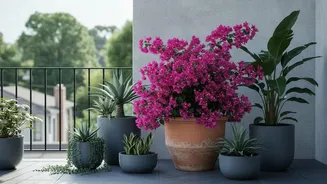
Choosing the right plants is half the battle. While succulents and cacti will struggle, some plants are built for these conditions. Here are five champions for your August balcony:
1. Periwinkle (Catharanthus roseus): This tough, low-maintenance flower is a star performer. It tolerates heavy rain, thrives in the sun, and provides continuous, vibrant colour right through the season.
2. Coleus: Known for its stunningly colourful foliage, Coleus loves humidity and prefers partial shade, making it perfect for balconies that get less direct sun. It adds a splash of colour without relying on flowers.
3. Swamp Hibiscus (Hibiscus moscheutos): While many hibiscus varieties are good monsoon growers, the Swamp Hibiscus is particularly well-suited for wetter conditions and is known for its adaptability to water-logged soils.
4. Mint (Mentha): This fragrant herb absolutely loves moisture. It will grow vigorously in the humid, rainy season, giving you a fresh supply for your tea and chutneys. Just keep it in a contained pot, as it tends to spread.
5. Creeping Jenny (Lysimachia nummularia): A fantastic trailing plant with bright, chartreuse leaves, Creeping Jenny thrives in moist soil and adds a beautiful cascading effect from pots and hanging baskets. It's tough and forgiving.
Rethink Your Watering Can
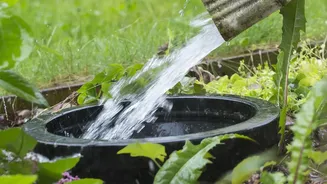
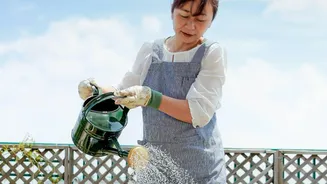
During this season, watering on a fixed schedule is a mistake. The weather dictates the rules. Before you even think of watering, use the finger test: stick your finger about an inch into the soil. If it feels damp, wait another day. The surface can be deceivingly dry while the root zone is still saturated. If it has rained, check the trays under your pots and empty any standing water immediately. When you do water, do it in the morning to allow foliage to dry before nightfall, which helps prevent fungal issues. The goal is to keep the soil consistently moist, not perpetually soggy.