




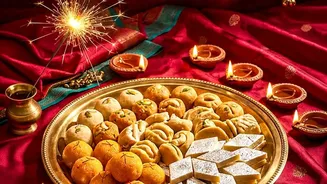


A Dazzling Festive Foundation
The recent Dhanteras and Diwali period saw a remarkable surge in gold purchases across India, laying a strong foundation for the current market buoyancy. According to the India Bullion and Jewellers Association (IBJA), gold demand rose by as much as 30%
in volume terms compared to the same period last year. This translated into an estimated 52 tonnes of gold being sold during the celebrations. This surge was partly fuelled by a timely correction in gold prices, which had fallen from earlier peaks, encouraging consumers who had been waiting on the sidelines to enter the market. Jewellers reported brisk business, noting that the combination of lower prices and strong festive sentiment created a perfect environment for high sales volumes.
From Festive Cheer to Wedding Vows
The end of the festive calendar marks the beginning of another critical period for gold demand: the wedding season, which typically kicks off in mid-November and extends through the early months of the new year. This transition is a crucial driver for the jewellery industry, as weddings account for approximately half of India's annual gold consumption. The strong consumer participation during Diwali is seen by industry experts as a positive indicator for sustained demand. Families planning weddings are now actively shopping for bridal jewellery, carrying the purchasing momentum from one auspicious season directly into the next. This seamless handover from festive to bridal demand ensures that showrooms remain busy and order books full.
The Smart Strategy of Advance Booking
A key trend bolstering demand this year is the growing popularity of advance booking for wedding jewellery. Many jewellers across the country offer schemes that allow customers to book their gold at the current rate by paying a partial amount upfront. This 'rate protection' plan is a win-win: consumers can safeguard themselves against potential price hikes, while jewellers secure confirmed sales and can better manage their inventory. If the price of gold increases by the time of delivery, the customer pays the lower, locked-in rate; if it falls, they often get the benefit of the new, lower price. This strategy has gained traction as it removes price volatility from the equation for buyers who are making one of the most significant purchases for a wedding. It also allows for custom designs and staggered payments, making the entire process more manageable for families.
What's Driving the Glitter?
Several factors are underpinning this robust demand. Beyond the cultural significance of gold, economic indicators have been favourable. A stable price environment, after a period of high volatility, has boosted consumer confidence. Furthermore, a good monsoon season in many parts of the country has increased rural incomes, which traditionally flows into gold purchases. There is also a sense of pent-up demand being released, as some consumers had previously deferred purchases due to high prices or economic uncertainty. Jewellers have noted that demand for both wedding and discretionary items has remained steady, signalling a healthy consumer appetite that isn't solely dependent on major life events. This broad-based interest suggests a positive outlook for the entire sector.
An Optimistic Outlook from Jewellers
The sentiment on the ground is overwhelmingly positive. Major jewellery retailers like Kalyan Jewellers and Titan Company reported strong growth in the quarter leading up to the festive season, driven by a recovery in buyer demand and healthy same-store sales. Many have indicated that the new financial year has started on a strong note, with encouraging footfalls and advance collections for the wedding season. This confidence is reflected in their expansion plans and positive management commentary for the coming quarters. Retailers are also adapting to consumer preferences by promoting lightweight designs and leveraging old-gold exchange programs, which helps make new purchases more affordable while maintaining sales volumes. This adaptability, combined with strong underlying demand, positions the industry for a successful and profitable season.