

Understanding the August Landslide Risk
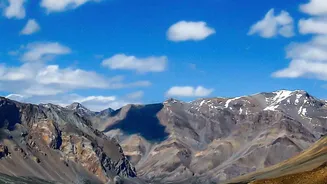
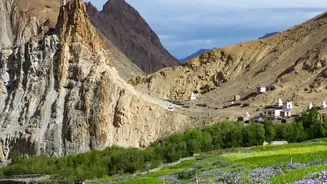
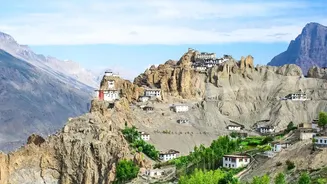
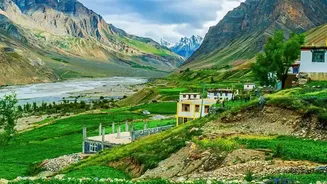
Spiti Valley itself is in a rain-shadow area, meaning the valley core around Kaza often remains relatively dry. However, the approach roads that get you there are highly susceptible to the monsoon's fury. As of early August 2026, both primary routes—from
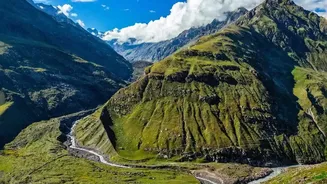
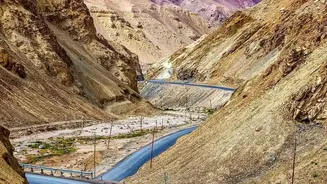
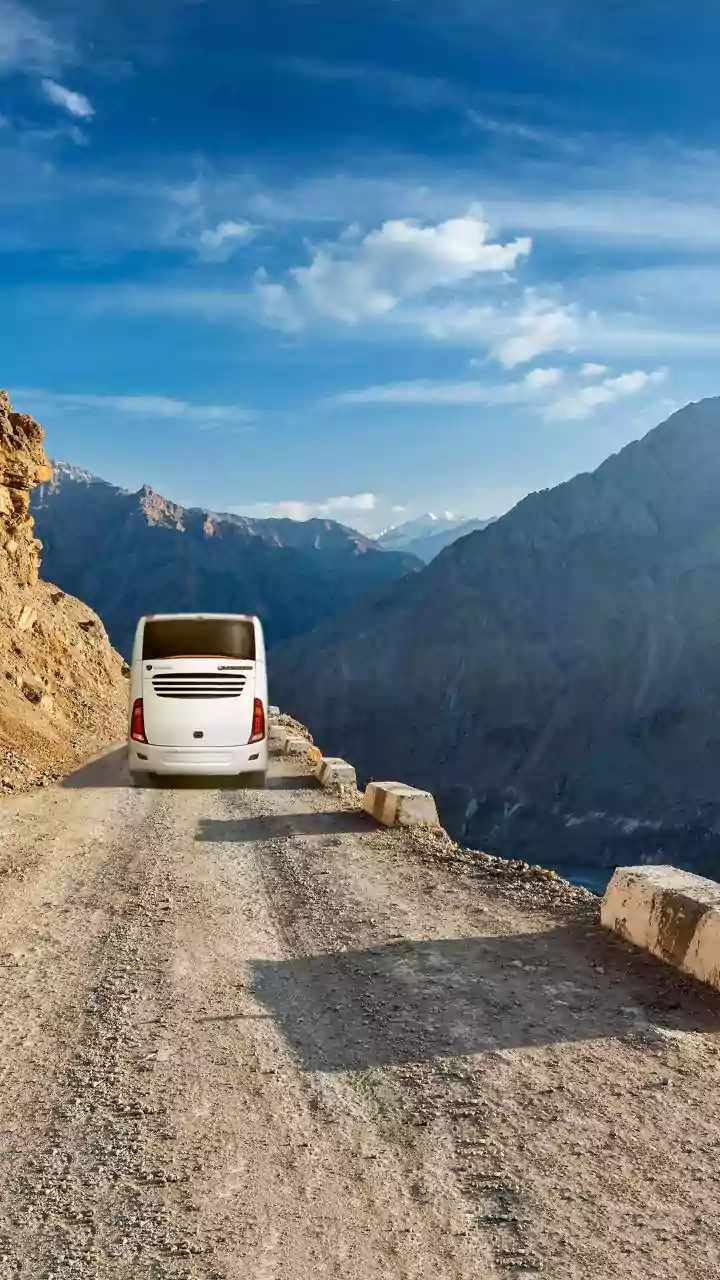
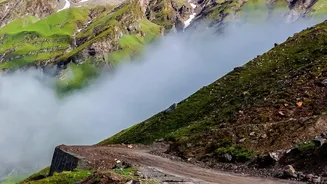
Shimla via Kinnaur and from Manali via Kunzum Pass—are open but face significant landslide risks. Recent heavy rains have caused temporary road closures and flash flood situations. The stretch of National Highway 5 through Kinnaur is notoriously prone to landslides, particularly between Wangtu and Sumdo. Similarly, the Manali-Kaza road has its own challenges with water crossings and rough patches. Travellers are advised that while the destination may be sunny, the journey there is unpredictable.
Which Route is Safer?
For travel in August, the consensus among experienced drivers and authorities leans towards the Shimla-Kaza route as the more stable option. This route allows for a more gradual acclimatisation to the high altitude, which helps in preventing Acute Mountain Sickness (AMS). While it is a longer journey, the road is generally considered safer during the monsoon compared to the Manali route. The Manali-Kaza highway, which crosses the formidable Kunzum Pass (4,551 metres), is a rougher and more challenging drive with significant water crossings that can swell dangerously after noon. Though the Manali route has been open since late May 2026, travellers should always verify its status on the day of travel, as conditions can change rapidly.
Permit Processing: What You Need to Know
There is a significant amount of confusion regarding permits for Spiti, but the rules are quite clear. For Indian citizens, no Inner Line Permit (ILP) or any special permit is required to visit the main tourist areas of Spiti Valley, including Kaza, Tabo, and Pin Valley. You just need to carry a valid government-issued photo ID for registration at checkpoints like Sumdo. For foreign nationals, a Protected Area Permit (PAP) is mandatory to travel beyond the inner line, which starts after Reckong Peo on the Shimla side. As of August 2026, there is no online system for this permit; it must be obtained in person at government offices like the SDM office in Reckong Peo or Kaza. It is crucial for foreigners entering from Shimla to secure this permit in Reckong Peo, as they will be turned back at the Jangi checkpost otherwise.
Essential Safety and Travel Tips
Given the current conditions, flexibility and caution are paramount. Local authorities and experienced travellers strongly advise adding at least two to three buffer days to your itinerary to account for potential road blockages. Always start your travel early in the day to cross potential water crossings before noon when water levels are lower and to avoid driving on treacherous mountain roads after dark. Before starting any leg of your journey, check with local sources—such as your hotel owner, local drivers, or the Lahaul & Spiti Police official social media pages—for the most current road status. Do not rely solely on GPS apps for travel times. Finally, pack for all weather, including waterproof layers for the approach journey and warm layers for Spiti's cold nights.