




Embrace Moody Landscapes
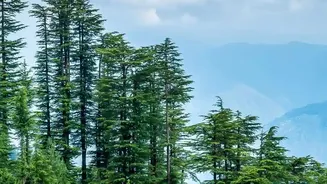
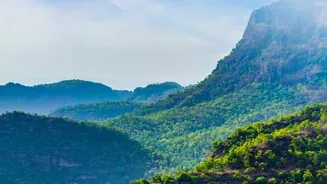
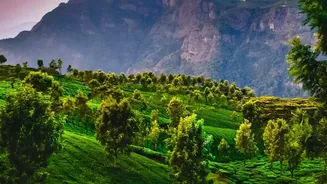
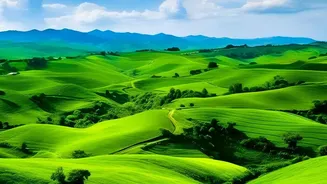
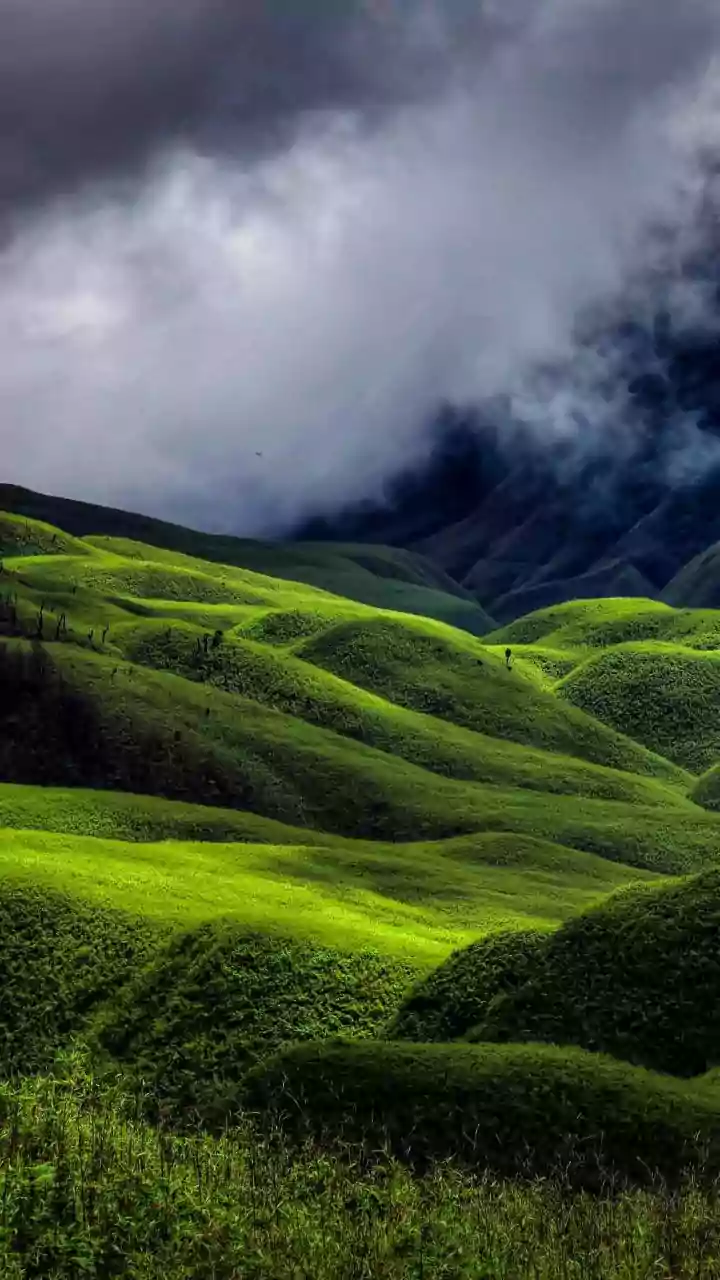
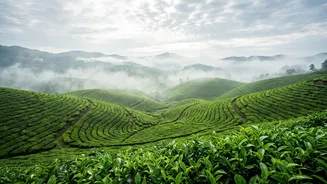
The monsoon season transforms India's hills and ghats into something truly cinematic. The intermittent rain and moving clouds create constantly changing light, while mist rolls through valleys, partially obscuring and revealing the landscape. This is the perfect
time for dramatic, atmospheric shots. Destinations in the Western Ghats like Munnar, Coorg, Lonavala, and Mahabaleshwar are famous for their lush, mist-covered hills. In the east, Shillong and the rest of Meghalaya offer surreal landscapes shrouded in clouds. Use a wide-angle lens to capture the vastness of the scene, and look for moments when the fog creates layers in the hills. The soft, diffused light is incredibly forgiving and excellent for capturing rich colours without harsh shadows.
Capture the Power of Water
From roaring cascades to the gentle patter on a windowpane, water is the star of the season. India's waterfalls are at their most powerful and majestic during the monsoon. Places like Cherrapunji in Meghalaya, home to Nohkalikai and Seven Sisters Falls, become a spectacle of nature's force. Similarly, Abbey and Iruppu Falls in Coorg and the numerous falls in the Sahyadris come alive. To capture the silky, smooth flow of a waterfall, use a tripod and a slow shutter speed. For a different effect, use a fast shutter speed to freeze individual raindrops as they fall, creating a dynamic, energetic image. Even a simple puddle can become a compelling subject, offering mirror-like reflections of the world around it.
Find Beauty in Urban Reflections
You don't need to be in the mountains to find incredible monsoon photo opportunities. Cities and towns take on a new character during the rains. Wet streets reflect streetlights, car headlights, and neon signs, creating a vibrant, glossy canvas, especially at night. Look for puddles that can perfectly mirror historical monuments, bustling market scenes, or quiet alleyways. These reflections add depth, symmetry, and an element of surprise to your compositions. Cities with lakes, like Udaipur, are particularly stunning as the monsoon clouds add drama to the sky, which is then reflected in the water below. The key is to change your perspective and look down; the most interesting shots are often at your feet.
Discover a Tiny World with Macro
The monsoon brings forth an abundance of life on a smaller scale. This is the ideal time for macro photography. Look closely at leaves and flower petals decorated with jewel-like water droplets. The rain coaxes out creatures like snails, frogs, and colourful insects, providing fascinating subjects for your lens. The soft, overcast light is perfect for capturing the intricate details and textures of this miniature world without casting harsh shadows. You don't always need a dedicated macro lens to start; many modern smartphone cameras have excellent macro capabilities. Patience is key—find a good spot in a garden or forest patch and wait for the tiny world to reveal itself.
Tell Human Stories of the Season
Rain changes human behaviour, and capturing these moments can lead to powerful storytelling. Look for people interacting with the weather: a crowd huddled under an awning, a lone figure walking with a colourful umbrella, or children joyfully splashing in puddles. These images tell a story about daily life and the universal experience of the monsoon. Portraits can also take on a moody and evocative quality. The soft, natural light is flattering for skin tones, and a rain-streaked window or a misty background can add a layer of emotion and context to the shot. The goal is to capture the feeling of the season, not just the rain itself.
Protecting Your Precious Gear
While embracing the rain, it's crucial to protect your equipment. Most high-end cameras have some degree of weather sealing, but it's always wise to take extra precautions. A dedicated camera rain cover is a great investment, but even a simple plastic bag secured with a rubber band can work in a pinch. Always use a lens hood, as it helps keep raindrops off the front element. Keep microfiber cloths handy to wipe away moisture. When you return indoors, let your gear acclimate to the change in temperature and humidity before storing it, and use silica gel packets in your camera bag to absorb any lingering moisture.