





What is Soil-Free Gardening?
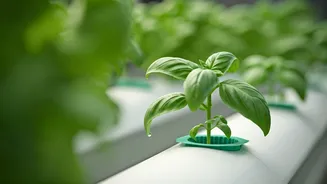
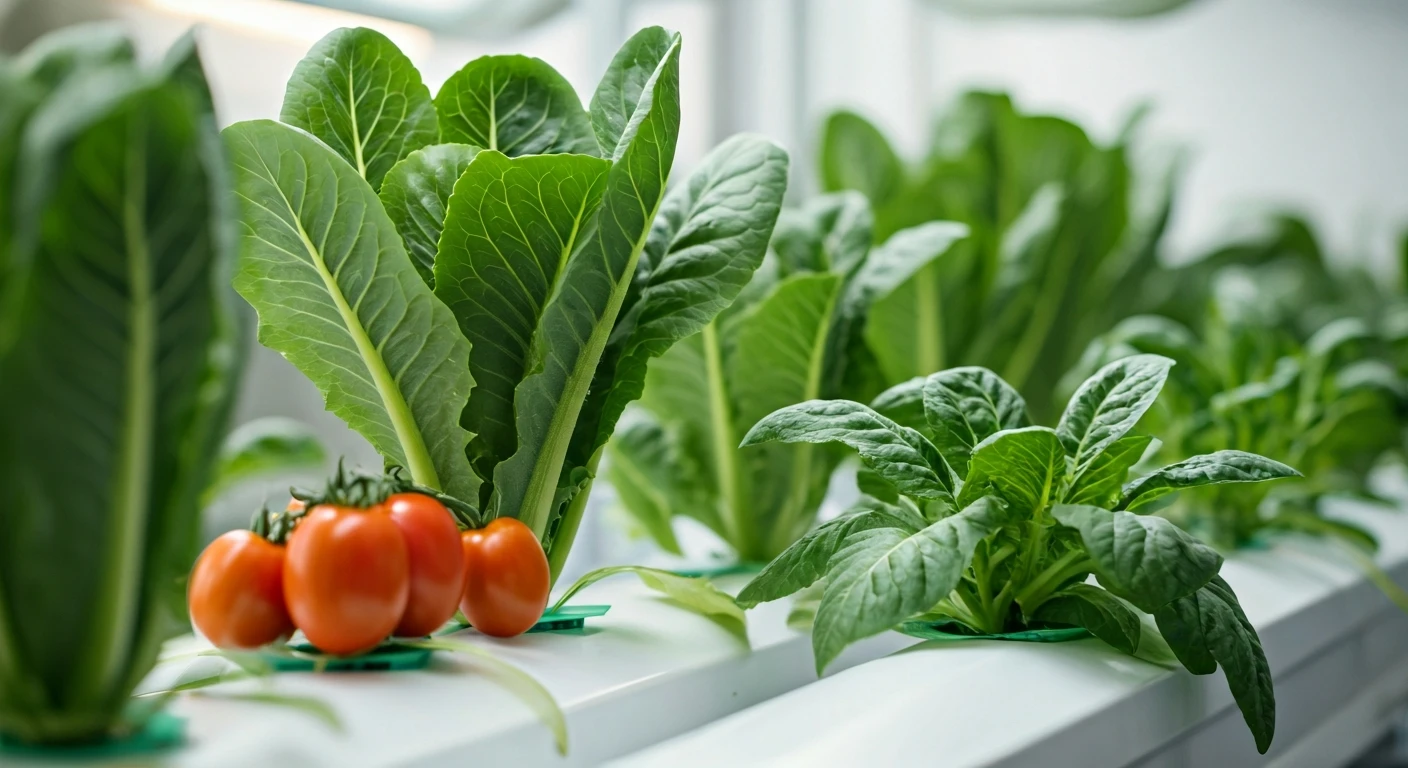
At its heart, soil-free gardening is exactly what it sounds like: growing plants without soil. Instead of getting nutrients from the earth, plants receive a specially formulated nutrient-rich water solution directly to their roots. This method, broadly
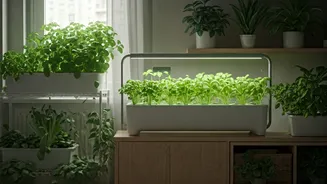
known as hydroculture, includes several popular techniques. The most common is hydroponics, where plant roots are supported by an inert medium like clay pebbles or rockwool and fed with a nutrient solution. Other methods include aeroponics, which mists exposed plant roots with nutrients, and aquaponics, a symbiotic system where fish waste provides the fertiliser for the plants. This isn't a sci-fi fantasy; it's a practical and increasingly popular way for people to bring the farm to their flat.
The Urban Gardener’s Dream
The primary driver behind this trend is urbanisation itself. In cities like Mumbai, Bengaluru, and Delhi, private gardens are a luxury few can afford. Soil-free systems offer a powerful solution. They are incredibly space-efficient; vertical towers can grow dozens of plants in a single square foot, making them perfect for balconies, windowsills, or even a small corner of the living room. This method is also cleaner, eliminating the mess and potential pests associated with soil. For health-conscious city dwellers, the appeal is immense: it provides complete control over what goes into their food, allowing them to grow fresh, pesticide-free herbs and vegetables right in their kitchen.
Water, Mist, or Fish?
While there are many soil-free methods, a few dominate the home gardening scene. Hydroponics is the most popular for beginners due to its simplicity and the wide availability of starter kits. These systems, which circulate a nutrient-filled water solution, are forgiving and reliable. Aeroponics is a more advanced technique where roots are suspended in the air and misted at regular intervals. This method provides superior oxygenation, which can lead to faster growth, but it requires more precise control and maintenance. Aquaponics offers a fascinating, self-sustaining ecosystem where fish and plants support each other, though it has a steeper learning curve. For most urban homes, hydroponic systems offer the best balance of efficiency, ease of use, and productive yields.
A Greener, Healthier Home
The benefits extend beyond just having fresh ingredients for your next meal. Studies have shown that indoor plants can improve air quality and contribute to a sense of well-being. The act of gardening itself is a known stress-reliever. Furthermore, soil-free systems are remarkably sustainable. Hydroponics uses up to 90% less water than traditional soil-based agriculture because the water is recirculated instead of draining away. This is a significant advantage in water-scarce urban areas. By growing food locally, you also drastically reduce the carbon footprint associated with transporting produce over long distances.
Is It Right for You?
Before you turn your apartment into a vertical farm, it's worth considering the practicalities. The initial setup cost for a soil-free system can be higher than traditional pots and soil, though affordable DIY options and beginner kits are available. These systems also rely on electricity to power pumps and, in some cases, grow lights, which is an ongoing cost. There is a learning curve involved in managing nutrient levels and ensuring the system runs smoothly. However, many enthusiasts find the process rewarding. It is recommended to start small, perhaps with a simple kit for growing herbs like basil, mint, or coriander, to learn the basics before scaling up.