



The Reality of Urban Living
Across India's bustling metropolitan hubs, from Mumbai to Bengaluru, the story is often the same: we are living in increasingly compact spaces. The dream of a sprawling home is often met with the reality of high real estate costs and the necessity of smaller,
more efficient apartments. This isn't a problem, but a modern challenge that requires a new way of thinking about our homes. The pressure of urbanisation means that every square foot carries a premium. Simply filling this space with traditional, bulky furniture is a recipe for 'stuffocation' — that feeling of being crowded out by your own belongings. This shift has pushed homeowners and designers to get creative, transforming storage from a mundane necessity into a clever and stylish design feature.
The New Mindset: Intentional Living
The push for better storage is no longer just about finding a place for everything. It's driven by a desire for a more organised, stress-free environment. A cluttered home can lead to a cluttered mind. The new approach is about intentionality. Before buying a single storage box, the first step is to declutter and decide what you truly need. Once you have a clear picture of your belongings, you can start planning how to house them. This is a move away from simply hiding messes and towards creating a home that is functional, easy to maintain, and genuinely joyful to live in, regardless of its size. A well-organised space doesn't just look better; it feels better.
The Golden Rule: Plan Before You Place
The most crucial step in mastering small-space living happens before you buy any furniture. The headline says it best: careful planning matters. Start by measuring your space accurately. Draw a simple floor plan and mark out windows, doors, and power outlets. Think about how you use each area. Where do you work? Where do you relax? Where do things tend to pile up? Answering these questions helps you design a layout that works for you. For instance, a sofa should be about two-thirds the length of the wall it's against to create a sense of balance. Planning prevents costly mistakes, like buying a beautiful wardrobe whose doors can't fully open because the bed is too close.
Go Vertical and Go Multipurpose
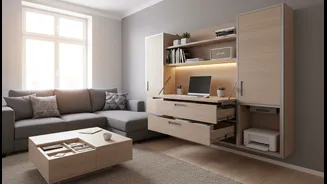
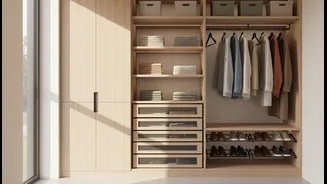
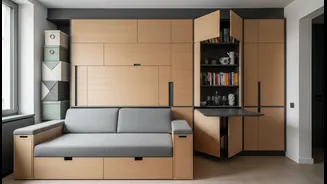
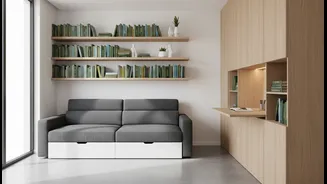
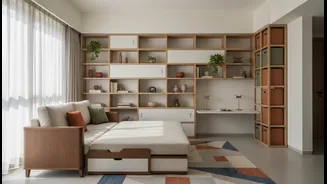
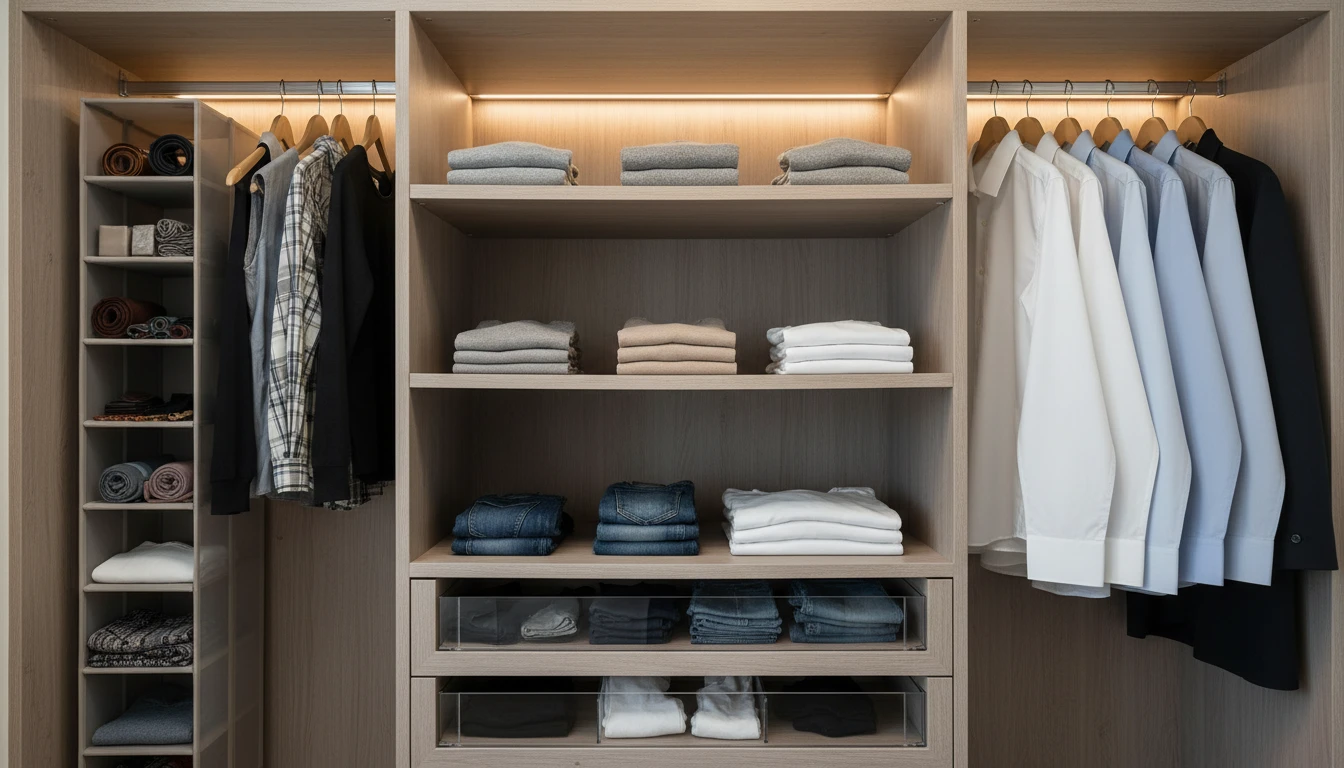
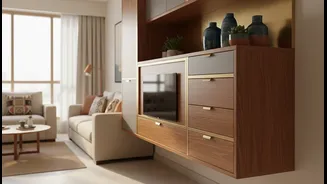
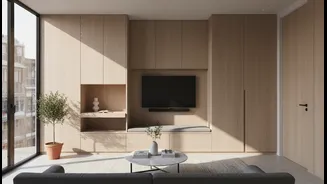
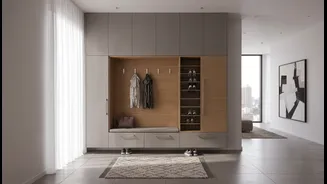
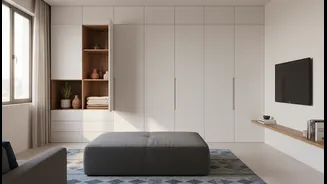
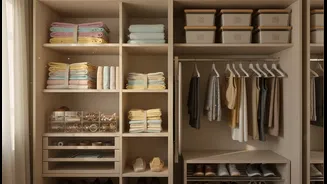
When you can't build out, you must build up. This is the cardinal rule of small-space design. Instead of low, wide units that eat up precious floor area, opt for tall, slender solutions. Floor-to-ceiling wardrobes, for example, can increase your storage capacity by up to 30%, providing a perfect spot for luggage, seasonal quilts, and festive wear on the highest shelves. Floating shelves are another excellent way to use wall space for books and decor without adding visual bulk. The second part of this strategy is investing in furniture that works harder. Multi-functional pieces are your best friends. A sofa that converts into a bed is perfect for guests. An ottoman can serve as a coffee table, extra seating, and a hidden storage bin all in one. Extendable dining tables can stay compact for daily use and expand for family gatherings.
Unlock Your Home's Hidden Spaces
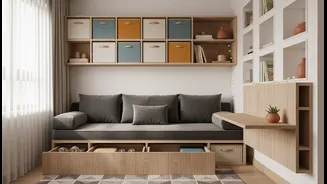
Your flat has more storage potential than you think; you just have to know where to look. The space under your bed is prime real estate. A hydraulic lift bed provides a massive, easily accessible compartment for items you don't need daily. Even simple drawers or boxes with wheels under a standard bed can make a huge difference. Look at the often-ignored areas, like the space above your doors, which can hold a shelf for lesser-used items. Over-the-door organisers are perfect for shoes in the bedroom or toiletries in the bathroom. In the kitchen, use wall-mounted racks for spices and hooks for utensils to free up counter space. Even the slim area behind a sofa is a great spot for a narrow console table.
Create the Illusion of Room
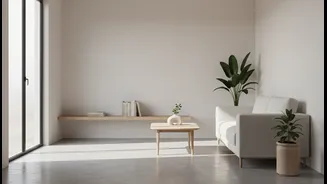
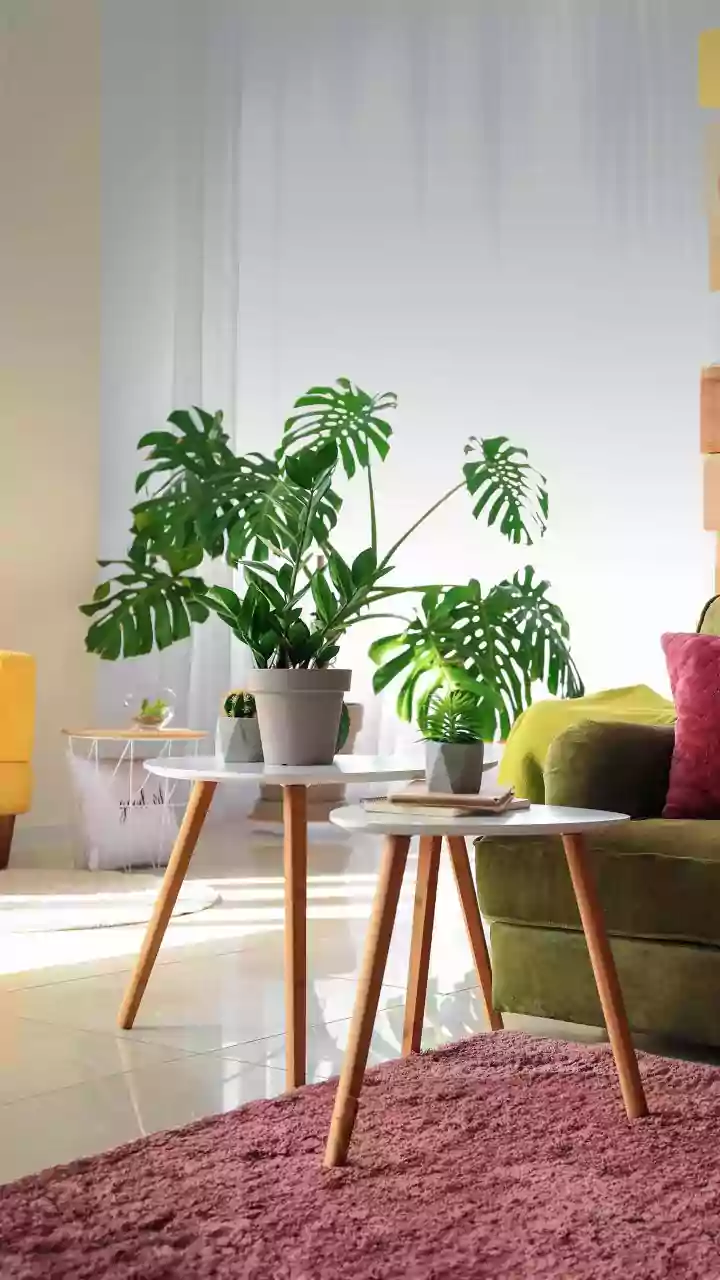
Once your physical storage is sorted, a few design tricks can make your space feel even bigger. Use a light, consistent colour palette throughout the apartment to create a sense of openness. White, beige, and pastel tones reflect light and make a room feel airier. Mirrors are a powerful tool; placing a large mirror opposite a window can double the amount of natural light and create a feeling of depth. Finally, instead of cluttering your space with lots of small decorative items, choose a few larger statement pieces. This helps to avoid a visually chaotic look and maintains a sense of calm and order.