


The Journey Was Part of the Challenge
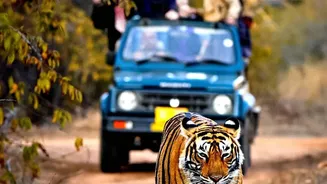
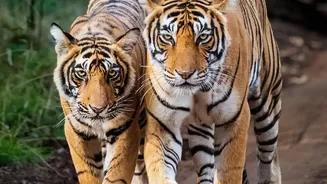
Planning a trip to see tigers in the fabled forests of Kanha, Bandhavgarh, or Pench traditionally came with a logistical hurdle. The typical route involved flying into regional airports like Nagpur, Jabalpur, or Raipur and then embarking on a road trip lasting
anywhere from three to five hours. While scenic, these long drives added extra time, cost, and fatigue to a holiday, often requiring an overnight stay in a city before even heading towards the jungle. This multi-step process, involving flights, taxis, and significant travel time, could be a deterrent for families, budget travellers, and those looking for a quick weekend getaway.
A New Era of Rail Connectivity
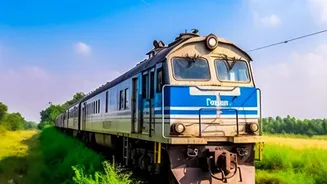
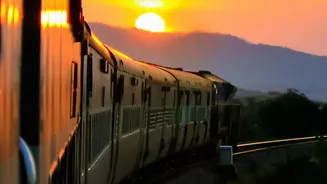
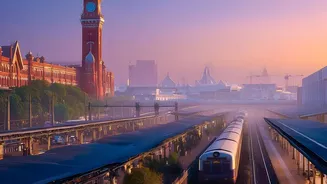
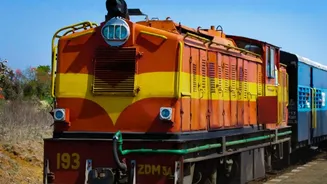
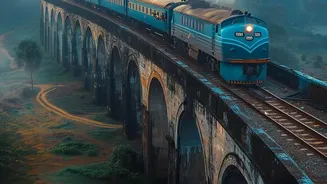
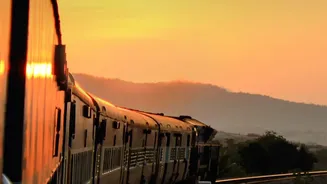
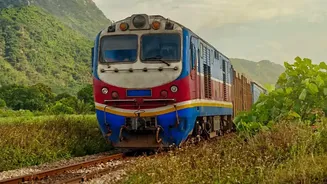
The transformation lies in improved and strategic overnight train services connecting major metropolitan hubs like Delhi and Mumbai directly to gateway railway stations. Stations such as Jabalpur, Gondia, Umaria, and Katni have become crucial entry points for the tiger heartland. For example, overnight trains from Delhi like the MP Sampark Kranti and NZM JBP SF Express provide comfortable access to Jabalpur, which serves as a base for trips to both Kanha and Bandhavgarh national parks. Similarly, travellers from Mumbai can find numerous services to Nagpur and Jabalpur, with Gondia station being a particularly good option for reaching Kanha. The key is the scheduling: these trains allow you to sleep through the longest leg of the journey and wake up refreshed and close to your final destination.
From Urban Hub to Jungle Lodge
The advantage of an overnight train is arriving at a gateway station like Jabalpur or Umaria in the early morning. A pre-booked taxi can then transfer you to your wildlife lodge in just a few hours. This seamless transition means you can check in, have lunch, and be ready for an afternoon safari on the very same day. This efficiency maximizes your time in the wilderness, effectively adding a full day to your itinerary compared to the older fly-and-drive model. Trains like the Kalinga Utkal Express from Delhi arrive at Umaria, just 32 kilometres from Bandhavgarh, at 6:30 AM, making it incredibly convenient to start your jungle experience almost immediately.
More Than Just Tigers
This improved rail access isn't just about tigers; it's about making a wider range of destinations more approachable. Pench National Park, the inspiration for Rudyard Kipling's "The Jungle Book," is easily accessible from Nagpur, which is well-connected by rail from all over India. In May 2025, the Railways Minister noted that new rail lines and station upgrades under the Amrit Bharat Station Scheme were specifically aimed at boosting tourism for destinations including Kanha National Park. This investment signals a broader strategy to leverage the railway network for tourism, benefiting not just the famous parks but also lesser-known natural and cultural sites in the region.
The Rise of Smarter Travel
While not a brand-new phenomenon, the reliability and range of these train options have reached a point where they are a primary choice for many. While newer services like the Vande Bharat Express are transforming daytime travel, it is the classic overnight express that is reshaping wildlife tourism. These trains offer a more sustainable and often more economical alternative to flying and hiring long-distance cabs. For a family, the cost savings can be significant. The journey itself becomes part of the adventure—a chance to unwind, watch the landscape change, and arrive with a sense of anticipation that a quick flight often lacks. It represents a shift towards slower, more deliberate travel, allowing visitors to connect more deeply with the journey to India's wild heart.