








Beyond a Clean Appearance
The term 'documented hygiene' might sound like bureaucratic jargon, but it’s the backbone of modern food safety. It signifies a shift from merely looking clean to proving cleanliness through records. This isn't just about wiping down counters; it's a systematic
approach that requires restaurants to maintain verifiable proof of their hygiene practices. This includes daily cleaning logs, schedules for deep cleaning, and records of pest control measures. For an inspector, these documents are as important as a physical walkthrough of the kitchen. They provide a historical record of compliance, showing that hygiene is a consistent process, not a one-time effort for an inspection. It means having a paper trail for everything from the source of your water to the calibration of your thermometers.
The Role of FSSAI
The Food Safety and Standards Authority of India (FSSAI) is the central body responsible for setting and enforcing these standards. Established under the Food Safety and Standards Act, 2006, FSSAI regulations, particularly Schedule 4, outline the sanitary and hygiene requirements for all food business operators. These rules cover everything from the design and layout of the premises to the personal hygiene of food handlers. To encourage compliance and help consumers make informed choices, FSSAI introduced the voluntary Hygiene Rating Scheme. This scheme rates establishments from one to five stars based on an audit of their hygiene practices. A high rating, often displayed prominently, acts as a government-backed signal of a restaurant's commitment to food safety.
The Inspection Process
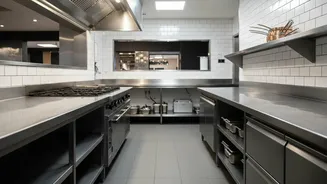
A food safety inspection is a two-part process involving a review of documentation and a physical audit of the premises. An inspector, typically a Food Safety Officer, begins by reviewing the restaurant's FSSAI license, staff training certificates (like FoSTaC), and the all-important hygiene logs. This includes records for water testing, pest control, and temperature control for food storage. The physical inspection, which often happens 'before service,' assesses the kitchen's readiness for the day. Inspectors check for proper storage that separates raw and cooked foods, the cleanliness of equipment, adequate handwashing facilities, and the personal hygiene of the staff, who are required to wear clean uniforms, hairnets, and gloves when necessary. They will also check if food is kept out of the temperature danger zone (5°C to 60°C) to prevent bacterial growth.
Challenges in the Real World
While the regulations are comprehensive on paper, implementation across a country as vast and diverse as India presents significant challenges. Many smaller food businesses struggle with the resources and knowledge required to maintain detailed documentation. There is often a gap in awareness and training, not just for food handlers but sometimes for operators themselves, about the specifics of the regulations. Furthermore, the food supply chain itself can be a source of risk, with issues like inadequate cold storage and fragmented logistics making it difficult for restaurants to guarantee the safety of raw ingredients from farm to kitchen. The sheer number of eateries, including a massive informal sector, also makes comprehensive and frequent inspections a logistical hurdle for regulatory bodies.
Technology as a Solution
Technology is increasingly being viewed as a key enabler for bridging the gap between policy and practice. Digital platforms and mobile apps are helping restaurants streamline their documentation process, replacing cumbersome paper logs with easily accessible digital records. This makes it easier for businesses to comply and for inspectors to audit. For consumers, technology is creating unprecedented transparency. The FSSAI's Hygiene Rating Scheme is integrated with food delivery platforms like Zomato and Swiggy, allowing customers to see a restaurant's rating before placing an order. QR codes on menus can link to a restaurant's digital profile, showcasing their hygiene policies and FSSAI credentials, building customer trust even before the food arrives. This digital accountability incentivises restaurants to maintain high standards consistently.