





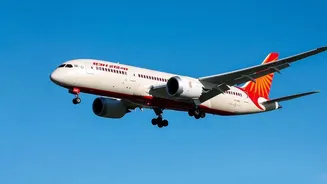
An Unprecedented Aviation Boom
The demand for more than 2,000 aircraft is rooted in India's rapid economic growth and a burgeoning middle class with higher disposable incomes. As the world's third-largest domestic aviation market, air travel is quickly shifting from a luxury to a necessity
for millions. The country is experiencing a 'meteoric rise' in aviation, with forecasts projecting some of the fastest fleet growth globally over the next decade. Experts predict India's commercial aircraft fleet will grow at an annual rate of 7.1% between 2026 and 2036. This boom is not just about replacing old planes; it's about adding massive capacity to meet the aspirations of a population that is increasingly choosing to fly. Per capita air travel in India remains low compared to countries like China, indicating a vast potential for future growth as more people switch from rail to air for long-distance journeys.
Decoding the Numbers
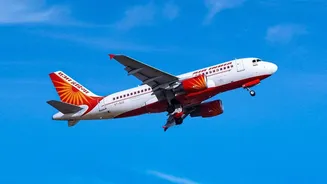
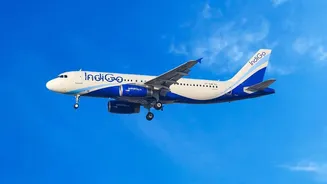
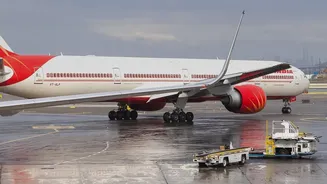
To understand the 2,000-plane figure, it helps to look at the current landscape. India's commercial airlines currently operate a fleet of around 750-800 aircraft. Minister Goyal noted that Indian carriers have already placed firm orders for over 1,200 new planes, and are preparing to order another 1,000. These are not abstract projections; they are backed by historic deals. In 2023, Air India placed a monumental order for 470 aircraft from Airbus and Boeing, while its competitor IndiGo broke records with an order for 500 Airbus A320 family jets. Together, these and other orders from airlines like Akasa Air form a massive delivery pipeline that validates the government's assessment of future needs. These new fleets will not only expand domestic routes but also bolster the ambitions of Indian carriers on the international stage.
The UDAN Scheme's Critical Role
A significant catalyst for this growth is the government's Regional Connectivity Scheme, UDAN (Ude Desh ka Aam Nagrik). Launched in 2016, this flagship program aims to make air travel affordable and accessible to the common citizen by connecting unserved and underserved airports in Tier-II and Tier-III cities. The scheme has been instrumental in democratizing air travel, operationalizing hundreds of new routes and bringing dozens of new towns onto India's aviation map. This has created entirely new markets for airlines and fueled demand from regions that were previously cut off from air travel. The government has extended the scheme, now called Modified UDAN, until 2036 with plans to develop 100 more airports, ensuring that the push for regional connectivity continues to drive the sector's expansion.
An Ecosystem Under Pressure
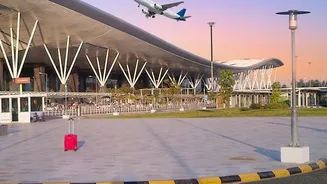
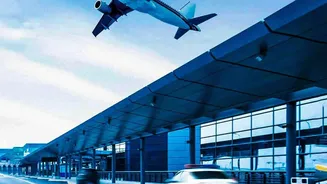
Adding over a thousand new aircraft is about more than just the planes themselves. It requires a massive scaling of the entire aviation ecosystem. India will need thousands of new pilots, cabin crew members, and maintenance engineers to operate and service this expanded fleet. Furthermore, airport infrastructure faces immense pressure. While India has doubled its number of operational airports from 74 in 2014 to nearly 150, major metro airports are already facing congestion. To accommodate the new aircraft, India will need more parking bays, modern terminals, and efficient air traffic control systems. This growth is also creating a huge opportunity for the Maintenance, Repair, and Overhaul (MRO) industry within India, which has been a key focus area for achieving self-reliance in the aviation sector.
Navigating the Headwinds
While the growth story is compelling, the path to 2,000 aircraft is not without its challenges. Indian airlines are currently grappling with an acute shortage of planes as global aircraft manufacturers like Boeing and Airbus face significant production backlogs and supply chain disruptions. Some deliveries for existing orders are scheduled as far out as 2034. This has prompted the Indian government to actively pursue manufacturers to expedite deliveries. Domestically, high taxes on Aviation Turbine Fuel (ATF) continue to strain airline finances. Ensuring the financial health of airlines, managing airport capacity, and addressing sustainability concerns will be crucial to navigating these headwinds and realizing the sector's full potential.