








The Pinch on Your Plate
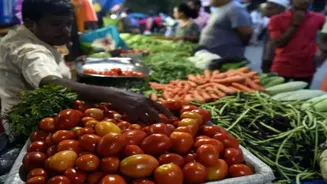
The primary driver behind the recent surge in prices is the cost of food. The Consumer Food Price Index (CFPI) climbed to 5.32% in June, a significant acceleration that affects every household. This increase is not uniform; certain everyday items have
seen dramatic spikes. Vegetables, a staple in Indian kitchens, have been particularly affected, with prices jumping due to weather-related disruptions. For example, items like ginger and tomatoes saw sharp price increases. This rise in food costs is more pronounced in rural areas, which recorded food inflation of 5.5%, compared to 5.1% in urban centers, highlighting the widespread nature of the challenge.
The Rising Cost of Commuting
It's not just the grocery bill that's getting heavier; the cost of getting around is also a major concern. The transport segment of the inflation basket witnessed a sharp acceleration, with its inflation rate jumping to 4.3% in June from just 1.7% in May. This surge is largely attributed to the full-month impact of recent hikes in petrol and diesel prices. As India is a major importer of crude oil, global energy price fluctuations and geopolitical tensions in regions like West Asia have a direct and immediate impact on domestic fuel costs, which then ripple through the economy, affecting the price of nearly all goods and services due to higher transportation expenses.
Why is This Happening Now?
A combination of factors is fueling this inflationary pressure. On the food front, an erratic monsoon has played a significant role. A rainfall deficit in June disrupted agricultural cycles and created uncertainty, putting upward pressure on the prices of perishable goods. Economists have pointed to the potential impact of El Niño weather patterns, which are often associated with weaker monsoons and could further disrupt crop production if they persist. On the transport side, besides domestic fuel price revisions, elevated global crude oil prices remain a key risk. This dual shock to food and fuel, which form a substantial part of an average family's expenditure, makes the current inflation particularly challenging.
What Does This Mean for You?
For the average person, these numbers translate into tougher choices. The increase in the cost of essential items means that disposable income shrinks, and families may need to cut back on other expenditures. The inflation rate of 4.38% has breached the Reserve Bank of India's (RBI) medium-term target of 4% for the first time in over a year, signaling that price pressures are becoming a concern for policymakers. While core inflation—which excludes volatile food and fuel prices—has remained more moderate, the headline number is what dictates the day-to-day cost of living for most people.
Looking Ahead: What to Expect
Analysts are watching the situation closely. The trajectory of the monsoon in July and August will be crucial for the upcoming harvest and could determine the path of food prices in the months ahead. Similarly, the global energy market remains a key variable. The RBI, which kept its key policy rate unchanged at 5.25% in its last meeting, now faces a tougher balancing act. It must manage inflation without stifling economic growth. Economists expect the central bank to maintain its current stance for now but will be monitoring the data carefully, with some suggesting rate hikes could be considered later in the year if price pressures do not subside.