




The Hidden Cost of Shiny Paper
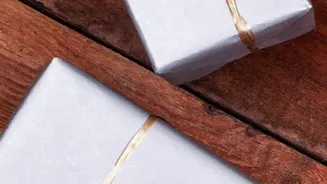
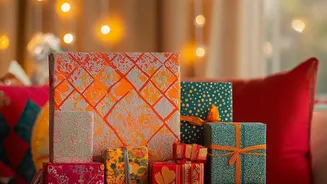
The colourful, glittery paper that makes presents look so appealing is often a major environmental problem. Much of the commercially available wrapping paper cannot be recycled. Materials like foil, glitter, and glossy plastic laminates make the paper a composite
material that recycling facilities cannot process. These items, along with plastic-based tapes and ribbons, typically end up in landfills where they can take years to decompose, sometimes releasing harmful gases and microplastics into the environment. Studies show that household waste increases significantly during festive seasons, with wrapping paper being a major contributor. This single-use habit, repeated across millions of households, creates a staggering amount of preventable waste each year.
A Return to Thoughtful Traditions
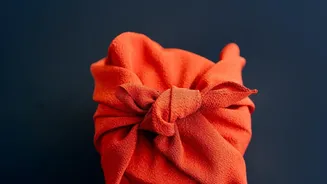
The concept of using fabric to wrap precious items is not new; in fact, it’s a cherished tradition in many cultures. In Japan, the art of Furoshiki uses beautiful square cloths to elegantly wrap everything from gifts to lunch boxes. Similarly, Korea has 'Bojagi', traditional wrapping cloths made of silk or ramie. India has its own rich history of using textiles for gifting. Think of vibrant sarees or dupattas being repurposed to present gifts, or small, embroidered 'potli' bags holding festive tokens. These methods weren't just about covering a gift; they were about adding another layer of care and beauty. By adopting reusable materials, we are not just being modern and eco-conscious, but also reconnecting with a more mindful and artistic heritage of giving.
Discovering Beautiful, Reusable Alternatives
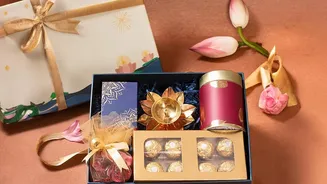
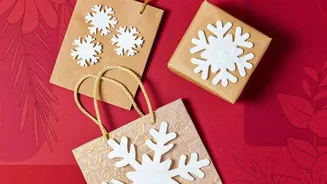
Making the switch is easier and more creative than you might think. Fabric is one of the most versatile options. You can use beautiful old sarees with ornate borders, colourful dupattas, or even simple square pieces of cotton. The Japanese Furoshiki technique offers countless elegant ways to tie fabric around gifts of any shape. Beyond fabric, consider sturdy, decorative boxes and tins that the recipient can use for storage long after the festival is over. Small drawstring pouches, often made of silk or jute, are perfect for smaller items and have been a part of Indian gifting culture for ages. You can even get creative with materials you already have at home, like newspapers, maps, or decorated paper bags, tied with natural jute twine instead of plastic ribbon.
More Than Just a Wrapper
One of the most compelling aspects of reusable wrapping is that it transforms the covering from disposable trash into a part of the present itself. A beautiful scarf used as a wrap becomes a bonus gift. A skillfully tied fabric wrap adds a deep sense of personal touch and effort that single-use paper can't replicate. It sends a message that you took extra time and care in preparing the present. This approach can start conversations and inspire others to adopt more sustainable habits. Choosing a specific fabric pattern or a handcrafted box that reflects the recipient's taste makes the entire gift experience more intimate and memorable, strengthening the emotional connection that is the true purpose of gift-giving.
Making the Sustainable Switch
Starting is simple. Before the next festival or birthday, look through your home for potential wrapping materials. Old but well-kept silk or cotton sarees, scarves, or even clean, plain pillowcases can be used. When you do buy something new, invest in a set of fabric wraps, drawstring bags, or sturdy boxes that can be used for years, which can be more cost-effective in the long run. Instead of plastic tape, try securing your fabric wraps with knots or using reusable ribbons or natural twine. For a final decorative touch, tuck in a sprig of fresh flowers, a dried leaf, or a cinnamon stick instead of a plastic bow. It’s a small change in habit that adds immense value and reduces your environmental footprint.