



The Science of Speed
The magic behind this cake's incredible speed lies in your microwave. Unlike a conventional oven that heats food from the outside in using thermal energy, a microwave uses non-ionizing radiation to cook. A device called a magnetron generates microwaves
that penetrate the food and specifically excite the water molecules within the batter. This rapid vibration creates friction and generates heat, effectively cooking the cake from the inside out. The small, single-serving portion size also plays a crucial role. Confined to a mug, the batter heats up incredibly quickly and evenly, something that would take much longer for a full-sized cake in an oven.
Your Instant Dessert Toolkit
The beauty of this recipe is its simplicity, relying on common pantry staples. You won’t need any special equipment beyond a microwave-safe mug and a fork. Here’s what to gather: All-purpose flour: 3 tablespoons Granulated sugar: 2 tablespoons Unsweetened cocoa powder: 1 tablespoon Baking powder: 1/2 teaspoon Milk: 1/4 cup Vegetable oil: 2 tablespoons * Dark chocolate: 2 small squares or 1 tablespoon of chocolate chips
From Mug to Magic in Four Steps
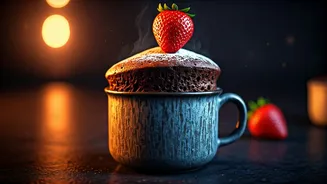
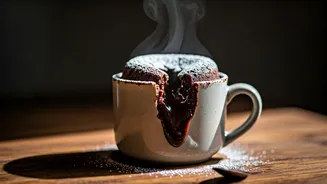
This process is designed for speed and minimal cleanup. You can mix everything directly in your mug. 1. Combine Dry Ingredients: In a standard-sized (at least 12-ounce) microwave-safe mug, add the flour, sugar, cocoa powder, and baking powder. Whisk them together thoroughly with a fork to ensure there are no clumps and the baking powder is evenly distributed. This is key to an even rise. 2. Add Wet Ingredients: Pour the milk and vegetable oil directly into the mug with the dry ingredients. Mix until you have a smooth, thick batter. Be careful not to overmix; just combine until the streaks of flour are gone. 3. Create the Molten Center: Drop the chocolate squares or chips into the center of the batter. You can gently push them down slightly, but they will sink as the cake cooks, creating that signature gooey lava core. 4. Microwave to Perfection: Place the mug on a small plate (to catch any potential overflow) and microwave on high for 75 to 90 seconds. Microwave wattages vary, so it's best to start with the lower time and add 10-second increments if needed. The cake is done when the edges are firm but the center is still slightly soft.
The Secret to the Lava
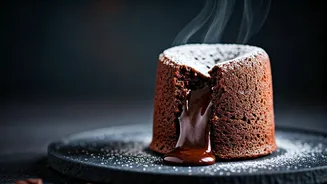
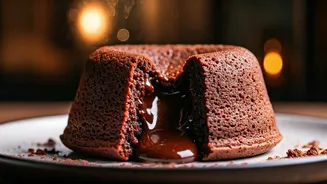
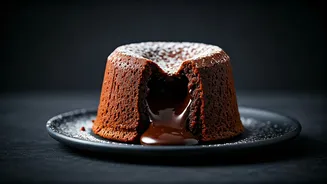
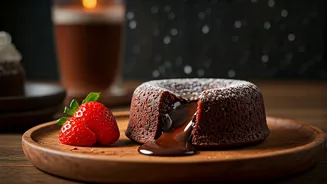
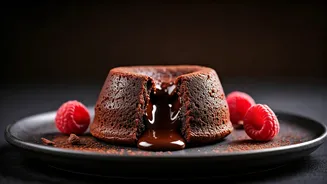
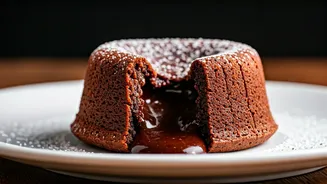
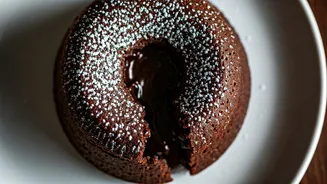
The "molten lava" at the heart of the cake is a combination of two things: the piece of chocolate you added and, more importantly, a perfectly undercooked center. Microwave cakes cook so rapidly that a difference of just 15 seconds can take it from gooey to spongy. By pulling the cake out of the microwave while the very middle of the batter is still wet, you allow the residual heat to finish setting the edges while preserving a liquid chocolate center. This is different from oven-baked cakes, which rely on a slower heat that creates a more uniform, springy crumb structure throughout. The texture of a microwave cake will naturally be denser and moister, which is perfect for this style of dessert.
Tips for Flawless Mug Cakes
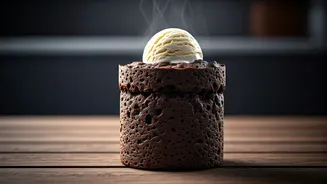
While incredibly simple, a few tips can guarantee success every time. First, choose the right mug. A standard 12 to 14-ounce mug is ideal; if it's too small, the batter will overflow as it rises. Fill it no more than halfway to be safe. Second, resist the urge to overmix. Overmixing develops the gluten in the flour, which can lead to a tough or rubbery texture. Finally, let the cake rest for a minute after it comes out of the microwave. The mug will be extremely hot, and this brief cooling period allows the cake to set fully and makes it much more enjoyable to eat. Serve it plain or elevate it with a scoop of vanilla ice cream or a dollop of whipped cream.