





From Ancient Ritual to Cafe Staple
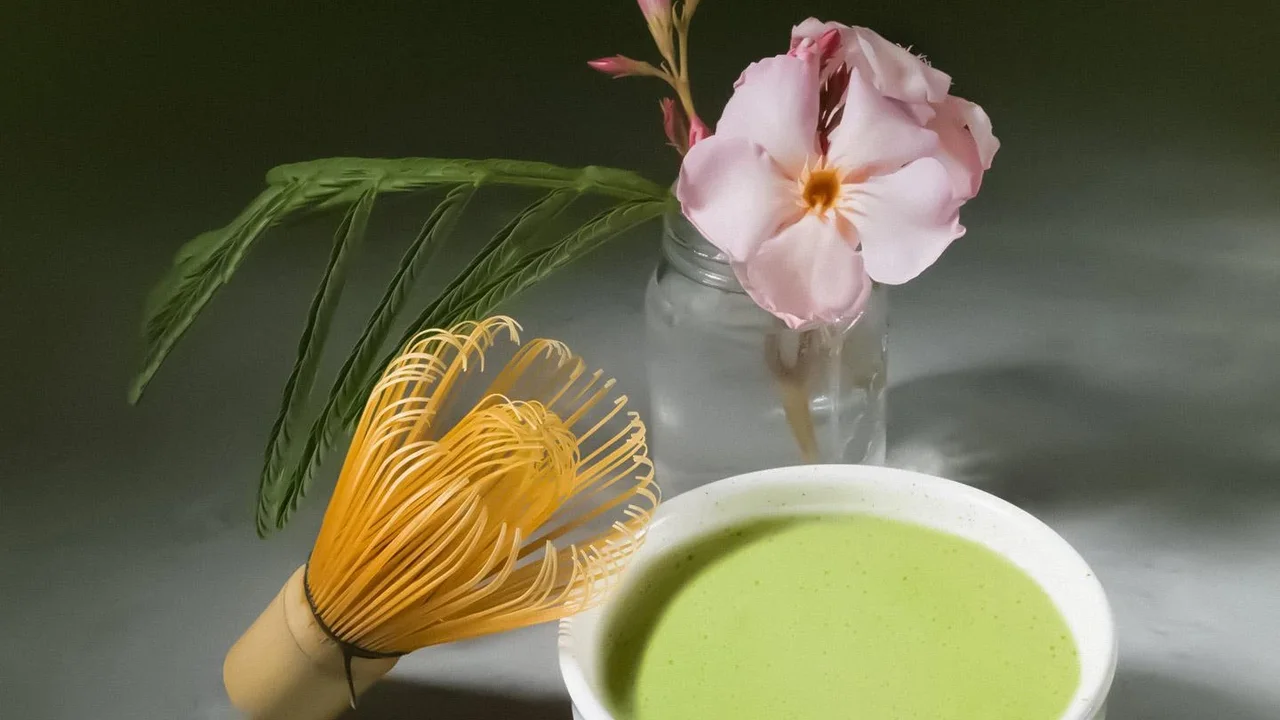
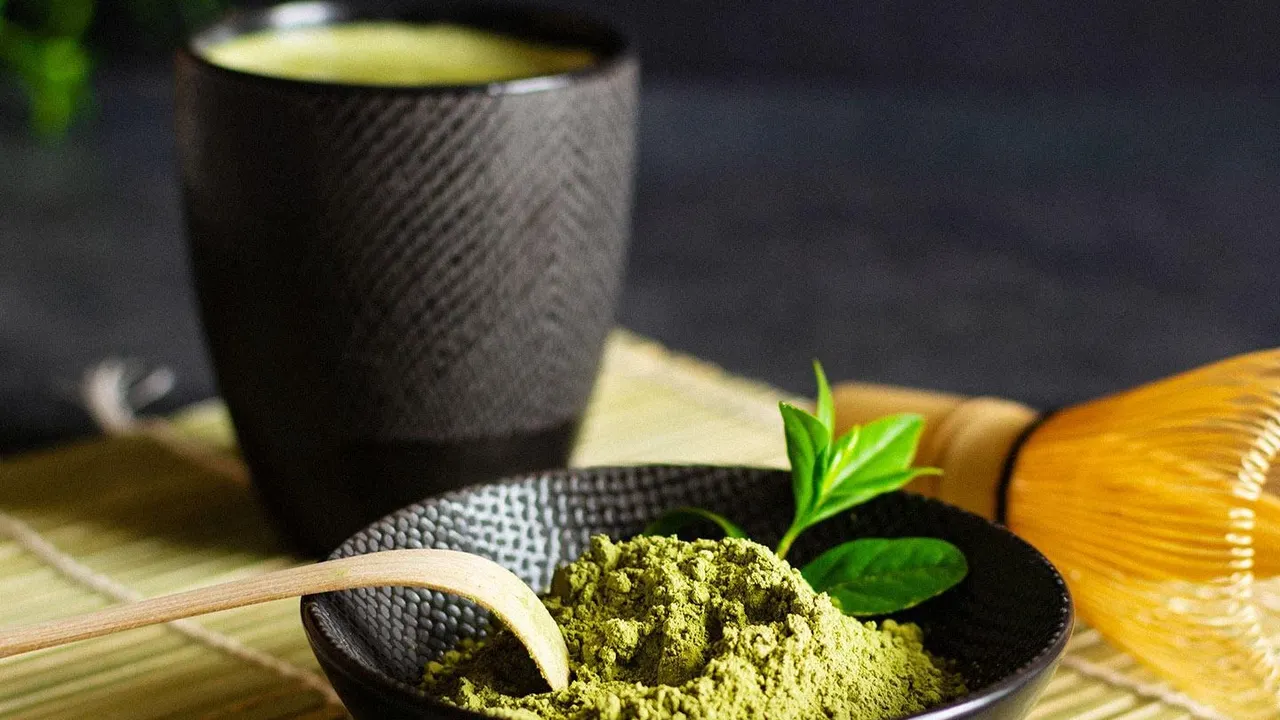
For centuries, matcha was the centrepiece of traditional Japanese tea ceremonies, a finely ground powder of green tea leaves whisked with hot water into a frothy, potent brew. Its journey to global stardom began when it entered mainstream cafes as a simple
latte, an alternative to coffee. But its current popularity is driven by something far more creative. The Indian market for matcha is growing rapidly, with projections suggesting significant expansion by 2030. This isn't just about drinking green tea; it’s about embracing a new canvas for flavour and artistry. Cafes across Mumbai, Delhi, and Bengaluru are no longer just serving matcha lattes; they are innovating.
The Flavour Revolution
The real story behind matcha's “moment” is the fusion. The earthy, slightly bitter notes of high-quality matcha provide a perfect base for a wide range of complementary flavours. The most iconic pairing is the strawberry matcha latte, a combination that has become a global sensation for its balance of earthy tea and sweet fruit. But Indian cafes are taking it a step further. You can now find mango matcha, rose iced lattes, and even coconut matcha floats. Some establishments are blending it with distinctly local flavours, creating inventive drinks like rasmalai matcha and matcha-infused jalebi, pushing culinary boundaries and appealing to a generation eager for novel experiences.
A Feast for the Eyes
A huge driver of the matcha fusion trend is its undeniable visual appeal. In an age dominated by Instagram and TikTok, food and drinks need to be photogenic, and matcha fusions deliver. The distinct layers of vibrant green matcha, white milk (often oat or almond), and colourful fruit purees create a striking look that is made for social media sharing. This aesthetic quality is a key reason Gen Z has embraced the trend so enthusiastically. A beautiful strawberry matcha latte is not just a drink; it's a statement, an expression of a modern, wellness-conscious lifestyle that looks as good as it feels.
The Allure of 'Calm Energy'
Beyond the flavour and visuals, matcha's popularity is rooted in its perceived health benefits. It's packed with antioxidants and offers a unique form of caffeination. Unlike coffee, which can cause jitters and a subsequent crash, matcha contains L-theanine, an amino acid that promotes a state of “calm alertness.” This provides a sustained, gentle energy boost, making it a popular choice for health-conscious consumers looking to reduce anxiety or find a more balanced alternative to their daily coffee. When fused with other healthy ingredients like fruits and plant-based milks, its wellness halo only shines brighter.
The New Cafe Culture in India
The rise of matcha fusions signifies a broader shift in Indian cafe culture. Consumers, particularly younger ones, are seeking experiences that are novel, aesthetically pleasing, and align with a wellness-oriented identity. Speciality matcha bars are opening in major cities, dedicated to providing high-quality, authentic experiences, from ceremonial preparations to inventive lattes. These spaces are becoming social hubs where the drink itself is only part of the appeal; the calming atmosphere and beautiful presentation are just as important. Matcha is no longer just a trend; it has become an integral part of the modern Indian cafe experience, offering a quiet, mindful escape from the urban hustle.