






A Return to Roots
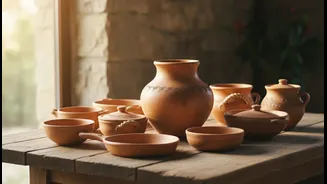
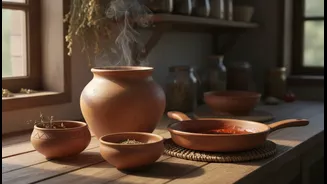
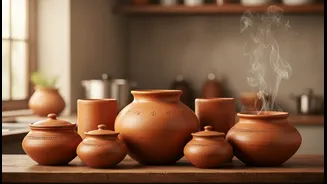
For generations, the rhythmic bubbling of dal in a mitti ki handi was the soundtrack to Indian kitchens. The shift to stainless steel and non-stick cookware promised speed and convenience, pushing earthen pots to the back of the shelf, often seen only
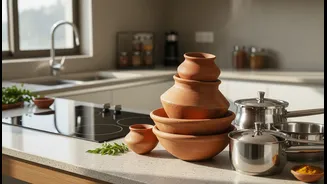
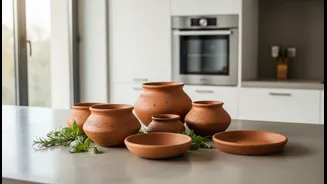
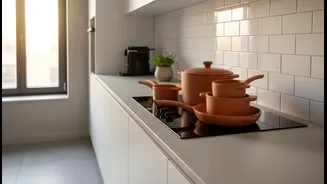
in villages or as nostalgic decor. Today, however, a new generation is looking backward to move forward. Young home cooks, armed with their smartphones and a growing desire for authenticity, are rediscovering the wisdom of their grandparents. This revival isn't just about recreating old recipes; it's about reconnecting with a legacy of slow, mindful cooking that modern life has often sidelined.
The Health-Conscious Choice
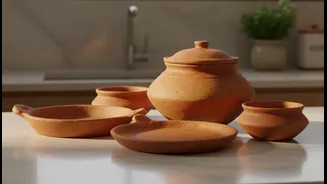
One of the biggest drivers of this trend is a heightened awareness of health and wellness. Unlike many modern non-stick pans that can release chemicals at high temperatures, clay is a natural, inert material. This means there's no risk of harmful toxins leaching into your food. Furthermore, clay is alkaline in nature, which is believed to help neutralize the acidity in foods like tomatoes, making them easier to digest. The porous nature of earthenware also allows for slow cooking with minimal oil, as heat and moisture circulate evenly, retaining the natural juices of the ingredients. Advocates claim that this gentle cooking process helps preserve vitamins and minerals that can be destroyed by the harsh, high heat of metal pans.
A Superior Flavour Profile
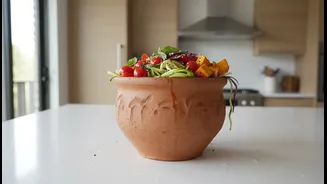
Anyone who has tasted biryani from a sealed handi or sipped chai from a kulhad knows that clay imparts a unique flavour. This is not just imagination. The porous structure of the pot allows it to breathe, resulting in a slow evaporation of steam that locks in moisture and concentrates flavours. The result is food that is more aromatic, tender, and infused with a subtle, earthy taste that metal cookware simply cannot replicate. This unique quality enhances everything from simple lentils to complex meat curries, making meals more flavourful and satisfying.
Sustainability in the Kitchen
For an increasingly eco-conscious generation, the move to clay is also a vote for sustainability. Earthenware is made from a natural resource and is completely biodegradable, unlike synthetic pans that end up in landfills. By choosing clay, young cooks are making a statement against a culture of disposable goods and embracing products that are both long-lasting (with proper care) and gentle on the planet. This aligns with a broader movement towards mindful consumerism, where the environmental impact of a purchase is as important as its utility.
Tips for the Modern Clay Cook
Embracing clay cookware does require a slight shift in habits. These pots need to be seasoned before their first use, a process that typically involves soaking them in water and sometimes treating them with oil or rice water to seal the pores and increase durability. It’s crucial to avoid sudden temperature changes, like placing a hot pot on a cold surface, as this can cause it to crack. Cooking should always be done on low to medium heat. When it comes to cleaning, harsh soaps are a no-go as the porous clay can absorb them; a gentle scrub with water is usually all that’s needed. While it requires more care than a Teflon pan, users say the payoff in taste and health is well worth the effort.