








From Passive Stillness to Active Engagement
The traditional image of mindfulness often involves passive meditation: sitting still, focusing on the breath, and observing thoughts without judgment. [8, 15] While valuable, this approach can feel like another demand in an already over-scheduled life.
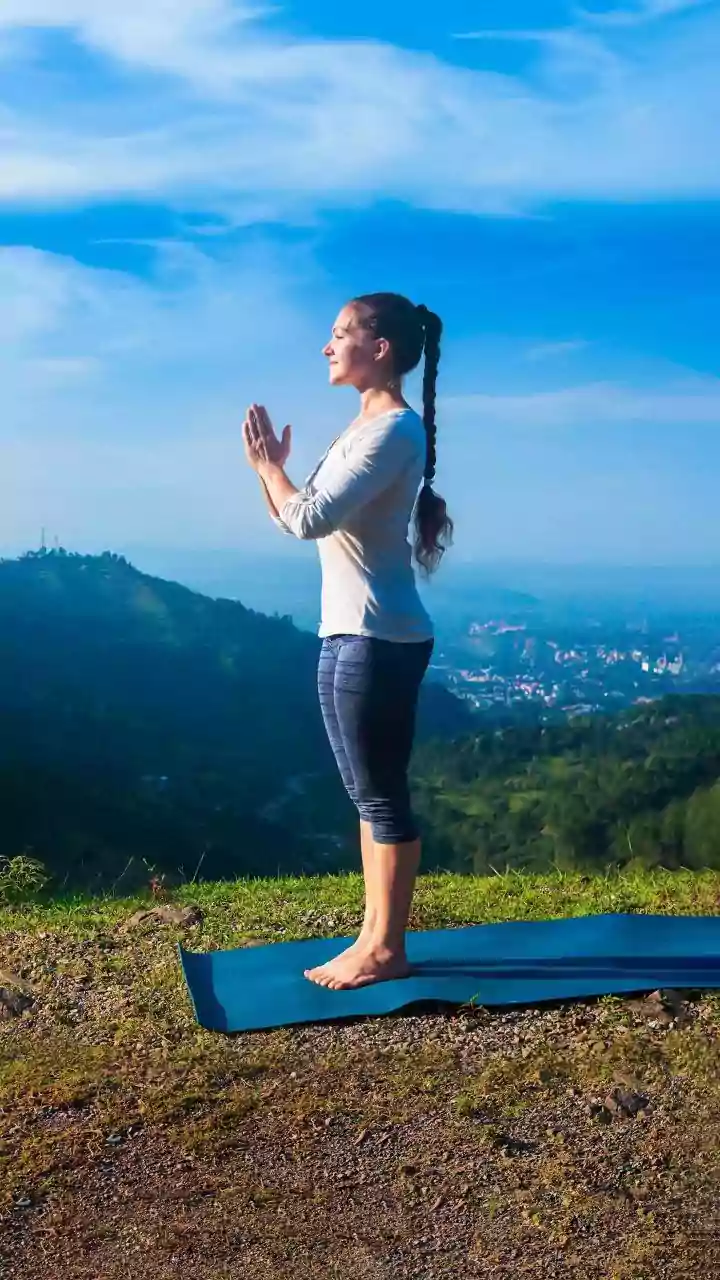
[2] The 2026 rebrand is leaning into 'active mindfulness,' which uses gentle movement, creative focus, or simple daily tasks to anchor the mind in the present. [3, 16] Think mindful walking, where you match your breath to your footsteps, or even mindful dishwashing, where you focus on the sensation of the warm water and the sounds of the plates. [3, 21] This approach doesn't require you to find extra time; it asks you to transform the time you already have. It’s about engaging with the world, not just observing it from a cushion. [11]
Micro-Dosing Calm: The Rise of Bite-Sized Practices
Gone are the days when mindfulness required a 30-minute, uninterrupted block of silence. A key trend is the rise of 'micro-dosing' mindfulness through short, targeted exercises. [14] People are increasingly turning to brief, one- to five-minute practices to reset during a hectic day. [7] This could be a simple breathing exercise before a meeting, a quick body scan during a lunch break, or using an app for a 'rapid reset' during a moment of panic. [4] The focus is on consistency over duration. This shift acknowledges a modern reality: our primary obstacle to practice is no longer a lack of time, but a constant state of distraction. [18] Short, frequent check-ins are proving more effective at managing daily stress than sporadic, longer sessions. [20]
Smarter Tools: AI and Personalised Tech
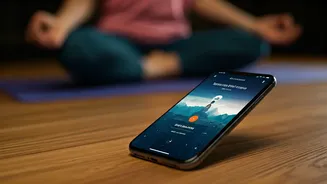
Technology is at the forefront of this practical rebrand. Mindfulness apps like Headspace and Calm are no longer just libraries of guided meditations. [1, 5] In 2026, AI-driven personalisation is becoming standard, with apps tailoring suggestions based on your mood, goals, and even biometric data from wearables. [4, 14] Some apps now offer AI coaches that provide conversational support or blend mindfulness with proven methods like Cognitive Behavioural Therapy (CBT). [4] These tools make mindfulness more accessible and effective by providing exactly what a user needs in the moment, whether it's a practice for better focus, a story to aid sleep, or a technique to manage a spike of anxiety. [4, 10]
Beyond the Self: Mindfulness in the Workplace
This new practical approach has found a firm footing in the corporate world. Companies are moving beyond offering mindfulness as a simple perk and are integrating it as a core strategy for employee well-being and performance. [6, 19] The focus is on tangible outcomes: reducing burnout, improving collaboration, and enhancing focus. [6, 9] This is leading to innovative programs that go beyond a quiet meditation room, incorporating 'mindfulness and movement' sessions like guided hikes, or using VR pods for stress reduction. [9, 14] With a significant number of companies now investing in these programs, mindfulness is being redefined as a foundational skill for navigating the modern workplace, rather than just a personal hobby. [6, 17]
The New Goal: Resilience, Not Nirvana
Ultimately, the 2026 rebrand of mindfulness is about shifting the goal. The aim is no longer a perfect, empty mind or a state of constant bliss. Instead, the new focus is on building practical skills for emotional regulation and resilience. [2, 23] It's about learning to be with difficult emotions like anger and anxiety in a more constructive way. [16, 24] Practices are designed to help people process feelings through movement or focused attention, allowing emotions to be acknowledged and moved through, rather than suppressed. [16] This reframing makes mindfulness a tool for active problem-solving in daily life, helping people respond to challenges with more awareness and control, rather than reacting on autopilot. [24, 25]