




Embrace Monsoon-Friendly Vegetables
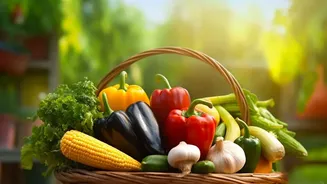
The smartest first step is to align your menu with the season. Certain vegetables thrive in the monsoon and are usually more affordable and fresher. Look for a variety of gourds like bottle gourd (lauki), bitter gourd (karela), ridge gourd (tori), and pointed
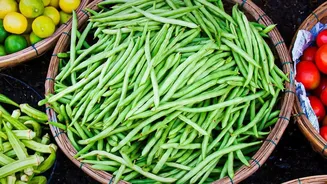
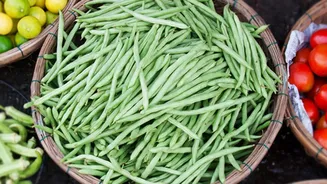
gourd (parwal). These vegetables have a high water content and are well-suited to the climate. Other sturdy options include pumpkin, corn on the cob, and Indian broad beans (sem). By focusing on what's naturally abundant, you not only get better prices but also vegetables that are at their nutritional peak. While staples like potatoes and onions are always on the list, their prices can fluctuate. Buy them, but be mindful of their condition.
Know What to Inspect Carefully
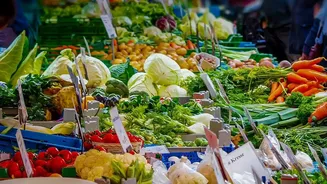
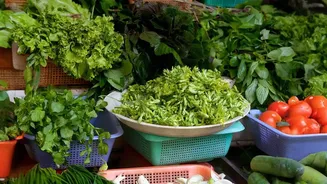
The damp, humid weather is a breeding ground for germs, fungi, and pests. This makes some vegetables riskier than others. Leafy greens like spinach, coriander, and cabbage require extra caution. Their layered structure can easily trap mud, pests, and microbes, making them difficult to clean. If you buy them, inspect each leaf, avoid any bunches that look slimy or wilted, and plan to use them quickly. Similarly, vegetables that grow close to the ground, like cauliflower and broccoli, can harbor insects in their florets. Mushrooms, which grow in soil, are also best purchased from reliable sources and consumed promptly. It's generally advised to avoid pre-cut vegetables, as the exposed surfaces are more susceptible to contamination.
Master the Art of Selection
In the monsoon, your eyes and nose are your best tools. When selecting any vegetable, look for produce that is firm and bright in colour. Avoid anything with soft spots, bruises, mould, or an unpleasant smell. For leafy greens, the leaves should be crisp, not limp or yellowing. When buying root vegetables like carrots or beetroots, choose ones with smooth, unbroken skin. For potatoes and onions, which are often bought in larger quantities, avoid any that have started sprouting, as this indicates they are old. A shiny, tissue-thin skin on an onion is a good sign of freshness. Don't be tempted by heavy discounts on produce that looks past its prime; it's a false economy that can lead to food waste and potential health issues.
Prioritise Thorough Cleaning
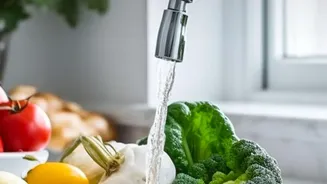
Properly washing vegetables is non-negotiable during the rainy season. Start by washing your hands thoroughly before handling any produce. Rinse all vegetables under clean, running water to remove surface dirt. For leafy greens, cabbage, and cauliflower, it's a good practice to soak them in a bowl of water with a bit of salt or vinegar for about 10-15 minutes. This helps dislodge hidden grime and kill germs. Afterwards, rinse them again under fresh water. Some sources even suggest steaming or boiling vegetables like sprouts and broccoli to ensure they are completely safe to eat, especially for children and the elderly. Never consume vegetables raw, like in salads, unless you are absolutely certain of their cleanliness.
Adopt Smart Storage Habits
High humidity is the enemy of fresh produce. To prevent your vegetables from rotting quickly, proper storage is crucial. The first rule is to buy in smaller quantities more often, rather than stocking up for the week. Before storing, make sure vegetables are as dry as possible; you can pat them with a clean cloth or paper towel. Leafy greens can be wrapped in paper towels to absorb excess moisture before being placed in breathable bags in the refrigerator. Store different types of vegetables separately to prevent them from spoiling each other. Potatoes and onions should be kept in a cool, dark, and dry place, but never in the fridge, which can ruin their texture and flavour. A clean and organised refrigerator with good air circulation also helps extend the life of your produce.