





The Scent That Signals Home
Before you even taste it, masala chai makes its presence known. It begins with the sharp, zesty note of crushed ginger, quickly followed by the floral sweetness of cardamom pods cracking under pressure. As the water simmers, the woody warmth of cinnamon
and the pungent, medicinal perfume of cloves join the chorus. Then comes the malty depth of strong black tea leaves, and finally, the creamy, sweetening scent of milk and sugar bubbling up to a perfect boil. This isn't just a smell; it's a layered aromatic experience that fills every corner of a room. It’s the scent of hospitality, of a slow morning, of a rainy afternoon break, and for millions, the undeniable scent of home.
More Than Just Spiced Tea
Let’s be clear: the glorious, complex beverage we’re celebrating is a world away from the syrupy, pre-mixed ‘chai latte’ found in many global coffee chains. Authentic masala chai is a stovetop creation, a brew that requires patience and attention. The word ‘chai’ simply means tea, and ‘masala’ means a mix of spices. Together, they describe a strong, sweet, milky tea infused with a blend of aromatic spices. While tea has been consumed in India for centuries, the practice of adding spices, milk, and sugar became popular in the early 20th century. It evolved from a medicinal Ayurvedic drink into the beloved daily ritual it is today, a cornerstone of Indian culture that is both deeply personal and widely shared.
A Symphony of Spices
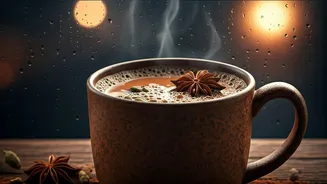
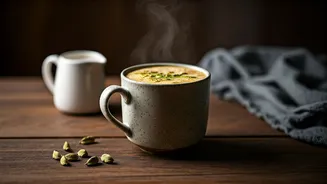
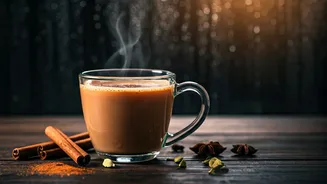
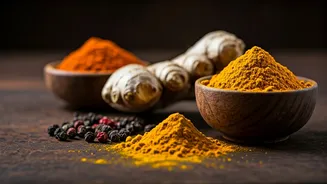
The magic of masala chai lies in its spice blend, known as ‘karha’. While the exact recipe is a fiercely guarded secret in many households, a few key players form the foundation. Cardamom (‘elaichi’) provides its signature sweet, floral fragrance. Ginger (‘adrak’) brings a fresh, fiery heat that cuts through the richness of the milk. Cinnamon (‘dalchini’) adds a layer of sweet, woody warmth. Cloves (‘laung’) contribute a powerful, pungent flavour that is used sparingly but effectively. Black peppercorns (‘kali miri’) offer a surprising sharpness that awakens the palate. Other spices like star anise, fennel seeds, or nutmeg might make guest appearances, but this core quartet is what creates that iconic, soul-soothing aroma. Each spice doesn't just add flavour; it contributes a distinct note to the overall olfactory masterpiece.
The Ritual of the Stovetop
Making chai is an act of mindfulness. It’s not about dunking a teabag. It’s a process. You start by gently crushing the spices to release their essential oils. You watch the water, spices, and tea leaves simmer together, the colour deepening into a rich amber. You observe carefully as you pour in the milk, waiting for the mixture to rise in the pot — a moment of kitchen drama known as the ‘ubal’. Many believe the chai must come to a boil three times to achieve the perfect balance of flavour and strength. The process is a ritual, a small, ten-minute ceremony that grounds you in the present moment. The resulting aroma is a reward for this deliberate act of creation, a fragrant reminder to slow down and savour.
How to Create the Aroma Yourself
Ready to transform your own kitchen? Here is a basic, forgiving recipe. Remember, chai is personal—feel free to adjust the spices, sugar, and milk to your liking. In a small saucepan, combine 1 cup of water with a 1-inch piece of ginger (crushed), 3-4 green cardamom pods (crushed), 1 small cinnamon stick, and 2 cloves. Bring to a boil. Add 2 teaspoons of strong black tea leaves (like Assam) and let it simmer for a minute. Pour in 1 cup of full-fat milk and add sugar to taste (traditionally, it’s quite sweet). Bring the mixture to a rolling boil, then lower the heat. Let it boil up two more times. Finally, strain the chai into a cup and enjoy the aroma you’ve just created.