






The Scale Isn't Telling the Whole Story
When you start a strength training programme, your body undergoes significant changes that a simple bathroom scale cannot measure. The primary goal of weight loss is often fat loss, but the scale measures everything—fat, muscle, bone, and water. While
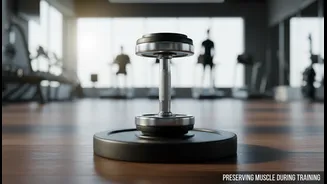
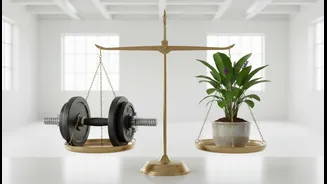
you may be successfully losing fat, you are also likely gaining lean muscle mass. Muscle is denser than fat, meaning it takes up less space for the same amount of weight. This process is known as body recomposition: simultaneously losing fat and gaining muscle. The result is that your total body weight might stay the same or even increase slightly, even as you are getting leaner, stronger, and your clothes are fitting better.
Understanding Body Recomposition
Body recomposition is a highly desirable outcome of a good fitness plan. It means you are not just losing weight, but fundamentally changing the makeup of your body to be healthier and more functional. Research has shown that even well-trained individuals can achieve body recomposition, not just beginners. This transformation is driven by combining progressive resistance training with adequate protein intake. Instead of focusing solely on the number on the scale, a better indicator of successful body recomposition is how your clothes fit, your measurements, and how you look and feel. Progress photos can be a much more powerful tool than daily weigh-ins.
Your Metabolism Is Cleverly Adapting
As you lose weight, your metabolism naturally slows down to some extent. This is a survival mechanism known as metabolic adaptation or adaptive thermogenesis. Your body becomes more efficient and burns fewer calories to perform the same activities than it did at a heavier weight. While this can contribute to a plateau, strength training is one of the best ways to counteract this effect. Building muscle increases your resting metabolic rate, meaning you burn more calories throughout the day, even when you're not exercising. This helps preserve your metabolism as you lose fat, making long-term weight management more sustainable.
Beyond the Scale: Redefining Your Wins
Focusing only on weight can be discouraging and hide the real progress you are making. It is crucial to celebrate non-scale victories (NSVs), which are positive changes that have nothing to do with your weight. These are powerful indicators that your strength programme is working. Examples include lifting heavier weights or completing more reps, having more energy throughout the day, and noticing your clothes feel looser. Other important NSVs include improved mood and mental clarity, better sleep quality, reduced joint pain, and increased confidence. Tracking these achievements can provide motivation and a more holistic view of your health journey.
How to Intelligently Break a Plateau
If you've confirmed you've hit a true plateau and it's not just body recomposition, there are several strategies you can employ. First, review your nutrition. Ensure you're eating enough protein to support muscle repair and growth, as this boosts your metabolism. Second, vary your workout routine. Our bodies adapt to exercise after a few weeks, becoming more efficient. To keep making progress, you need to introduce new stimuli. This could mean increasing the weight you lift, changing your exercises, or adjusting your number of sets and reps. Finally, don't neglect recovery. Adequate sleep and rest days are when your muscles actually repair and grow stronger.