





The Foundation: Your Flour Matters
The heart of any chilla is its flour, and your choice determines its final character. The most common base is besan (gram flour), celebrated for its nutty flavour and protein content. For a lighter, more easily digestible option, especially for children
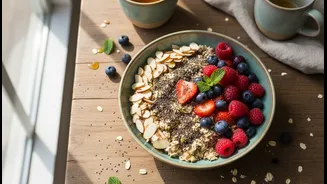
or those with sensitive stomachs, moong dal chilla is an excellent alternative. Soaking and grinding split yellow moong dal yields a batter that is higher in protein. Other variations include oats chilla for a fibre-rich meal, or even ragi chilla, which is packed with calcium and iron. You can also mix flours; for instance, adding a little sooji (semolina) or rice flour to your besan can introduce a delightful crispness.
Nailing the Perfect Batter Consistency
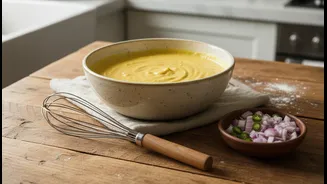
The secret to a chilla that doesn’t break or stick lies in the batter. The ideal consistency is smooth and pourable, but not too thin or too thick—often compared to that of a standard pancake or dosa batter. Start with your flour and spices in a bowl, then add water gradually while whisking continuously to prevent lumps. Adding all the water at once is a common mistake that leads to a lumpy mix. For one cup of besan, about half to three-quarters of a cup of water is a good starting point, but this can vary depending on the freshness and texture of your flour. Once mixed, let the batter rest for at least 10-15 minutes. This allows the flour to fully hydrate and the flavours to meld, resulting in a better texture.
Techniques for the Ultimate Crisp
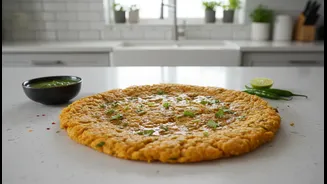
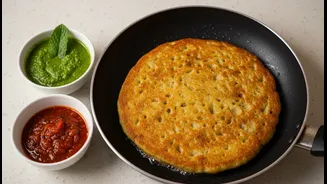
A soft, soggy chilla is a monsoon disappointment. For a perfectly crisp edge and a tender centre, heat is your best friend. Always preheat your tawa or pan over a medium flame; it should be hot enough that a sprinkle of water sizzles and evaporates instantly. Pouring batter onto a cold pan is a primary cause of sticking. Use a non-stick pan or a well-seasoned cast-iron tawa for the best results. Before pouring the batter, lightly grease the entire surface with oil. Once you’ve spread the batter thinly, drizzle a little more oil around the edges. This helps it crisp up and release from the pan easily. Cook on medium heat, as high heat can burn the outside before the inside is cooked.
Boosting Flavour with Vegetables and Spices
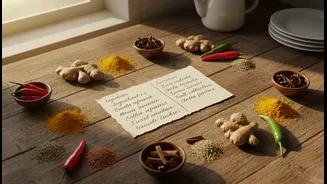
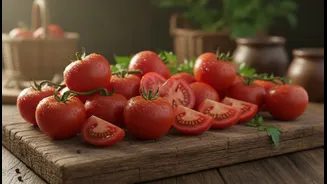
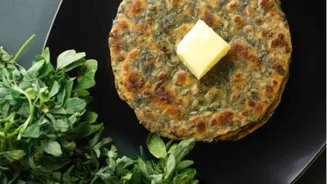
A basic chilla is tasty, but additions are what make it truly special. Finely chopped onions, tomatoes, green chillies, and fresh coriander are classic additions that provide crunch, tang, and freshness. It's crucial that these ingredients are chopped very finely, as large chunks can prevent the chilla from holding together and spreading evenly. When it comes to spices, ajwain (carom seeds) is a traditional inclusion that not only adds a unique flavour but also aids digestion. Turmeric provides a warm colour, while red chilli powder adds a gentle heat. For a more substantial meal, you can add grated vegetables like carrots, spinach, or cabbage to the batter.
From Plain to Paneer-Stuffed
To elevate your chilla into a complete meal, consider a simple paneer stuffing. This turns the light snack into a protein-packed dish, perfect for a satisfying breakfast or a light dinner. A quick and easy filling can be made by crumbling fresh paneer and mixing it with finely chopped onions, green chillies, coriander leaves, and a pinch of chaat masala or salt. Cook the chilla on one side until it's set. Flip it, then spread a generous spoonful of the paneer mixture over one half of the pancake. Fold the other half over the filling and press down gently, cooking for another minute until the chilla is golden and the paneer is warmed through.