





The Modern Shopping Dilemma
The modern Indian marketplace is flooded with packaged and processed foods, making it harder than ever to know what you’re really eating. Brands use appealing claims on the front of the pack to sell products, but these can be misleading. A packet of biscuits
might highlight “Oats” or “Multigrain,” creating a health halo, even if refined flour and sugar are the main ingredients. This is where understanding food labels becomes essential. Mandated by the Food Safety and Standards Authority of India (FSSAI), these labels are your most reliable source of information.
Beyond the Marketing Claims
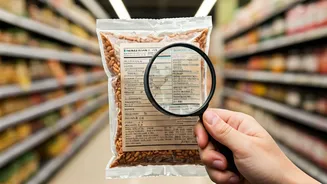
Terms like “clean label,” “natural,” and “organic” are powerful marketing tools. However, “clean label” is not a legally defined term in India. It generally refers to products with short, simple ingredient lists and no artificial additives. While FSSAI regulates additives and requires their declaration, the onus is on the consumer to read past the front-of-pack buzzwords. A product can claim it is “natural” yet be highly processed. Your real power comes from ignoring the hype and turning the package over.
The Most Important Part: The Ingredient List
The single most powerful part of the label is the ingredient list. Ingredients are listed in descending order by weight. The first three to four ingredients make up the bulk of the product. If sugar, maida (refined flour), or palm oil are at the top of the list for a supposedly healthy snack, you know the front-of-pack claim is questionable. Be wary of hidden sugars, which can appear under many names like corn syrup, dextrose, or maltodextrin. A truly “clean” label will have a short list of ingredients you can recognise.
Mastering the Nutrition Facts Table
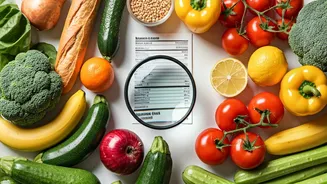
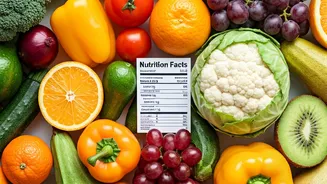
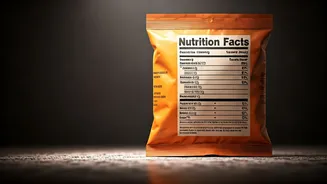
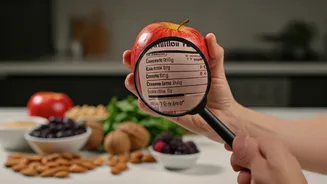
The nutrition table is where the numbers are, but one trick can be misleading: serving size. A company might list nutritional values for a very small serving, like three biscuits, when most people would eat more. To compare products accurately, always use the “per 100g” column. This provides a standardised way to see which product is truly lower in sugar, salt (sodium), or saturated fat. As a general guide for a food to be healthy, look for protein above 5g, sodium below 300mg, and total sugar below 5g per 100g.
Key Symbols and What They Mean
Indian labels have several key symbols mandated by FSSAI that are quick guides. The green circle inside a square indicates a vegetarian product, while a brown triangle indicates non-vegetarian. The FSSAI logo with a license number shows the product is registered and complies with safety standards. You may also see a blue ‘+F’ logo, which signifies that the food is fortified with micronutrients like iron or vitamins. These symbols provide fast, reliable information at a glance.
The Future of Indian Food Labels
To make things even easier, India has been working on introducing Front-of-Pack Labelling (FoPL). These are simplified, often graphical, ratings on the front that can quickly tell you if a product is high in sugar, salt, or fat. While implementation has been slow, the aim is to empower consumers to make healthier choices without needing to decipher the entire back panel. New FSSAI amendments also continue to tighten rules, for instance, by clarifying warnings for products with artificial sweeteners and standardizing the display of key information.