






From Splashdown to Teardown
The moment the Orion capsule splashed down in the Pacific Ocean, it transformed from a high-speed vehicle into a priceless data repository. The immediate recovery by U.S. Navy teams was just the first step. Before the spacecraft even began its journey
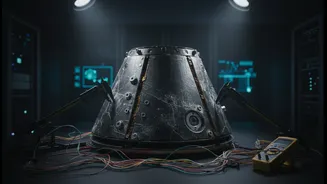
back to NASA's Kennedy Space Center, engineers were already at work. Key components like crew seats, video processors, and survival system umbilicals were carefully removed for analysis and potential reuse. This process is less of a disassembly and more of a scientific excavation. Every part of the Orion capsule that flew for ten days, traveling over 694,000 miles, now holds answers to questions that will define the future of space exploration. It’s a treasure trove of information that will be painstakingly examined over the coming months.
The Search for Answers in the Hardware
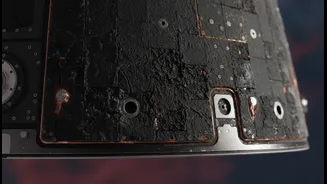
The primary goal of Artemis II was to be a test flight, verifying that the Orion spacecraft and its life support systems could safely carry a human crew into deep space and bring them home. The post-flight checks are where that verification happens in detail. A major focus is on the heat shield. After the uncrewed Artemis I mission showed unexpected erosion, engineers are intensely studying Artemis II's shield performance during its fiery reentry at nearly 35 times the speed of sound. Initial inspections showed significantly better performance, but the full story will come from detailed scans and sample analysis. Beyond the shield, every system is under scrutiny, from the rocket that provided a near-perfect orbital insertion to the life support that sustained the crew. Engineers are even investigating a minor issue with a urine vent line to ensure it's corrected for future flights.
Informing the Next Giant Leap
The ultimate utility of these checks is to pave the way for Artemis III and beyond. The data gathered from Artemis II directly informs the next mission, which aims to land astronauts on the lunar surface. It’s not just about the hardware. A huge component of the post-flight analysis involves the human element. For the first time since Apollo, NASA has data on how the human body reacts to deep space travel, outside the protection of Earth's magnetic field. Astronauts were research subjects, with data collected on everything from immune system changes to the psychological effects of confinement and radiation exposure. These health studies provide a crucial baseline, helping NASA develop countermeasures and protocols to protect future astronauts on longer missions to the Moon and, eventually, Mars.
Building a Sustainable Future in Space
Unlike the Apollo program, which was designed for singular, episodic missions, Artemis is about building a sustained human presence beyond Earth. The meticulous analysis of the Orion capsule serves this long-term vision. By understanding exactly how every component performed—and degraded—in the harsh environment of space, NASA and its commercial partners can refine designs, improve reusability, and build more robust systems. The manual piloting tests performed during Artemis II, for instance, were critical for validating procedures that will be used to dock with the future Gateway lunar space station. Every piece of information, from geology observations made by the crew to telemetry from the European Service Module, contributes to this larger goal of making deep space exploration safer, more efficient, and ultimately, routine.