





The Silent Strain of Sitting
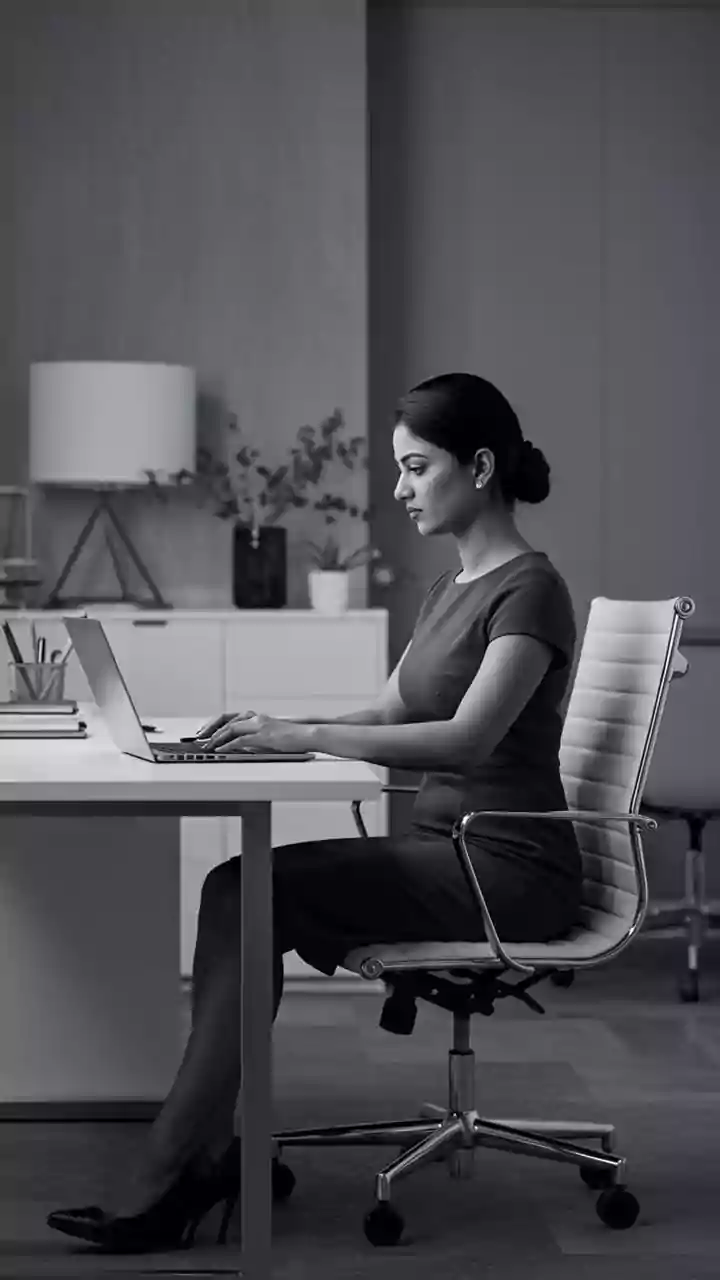
It might feel harmless, but a workday spent sitting is putting a quiet strain on your body. Medical experts now view a sedentary lifestyle as a significant health risk, sometimes comparing its long-term impact to that of smoking. Prolonged sitting is linked
to a cluster of serious health issues. When we're inactive for hours on end, our bodies go into a sort of 'power-save' mode. Blood flow slows, particularly in the legs, which can contribute to swelling and even increase the risk of blood clots. This inactivity impairs the body's ability to regulate blood sugar, increasing the risk of metabolic syndrome and type 2 diabetes. Over time, this sedentary pattern is associated with higher 'bad' cholesterol levels, high blood pressure, and increased inflammation, all of which elevate the risk of heart disease.
The Official Advice: Move More, Sit Less
In response to growing evidence, major health organisations like the World Health Organization (WHO) have updated their physical activity guidelines to specifically address sedentary behaviour. The core message is simple: limit the amount of time spent being sedentary and replace it with physical activity of any intensity. While guidelines recommend 150-300 minutes of moderate-intensity activity per week, they now also emphasize the importance of breaking up long periods of sitting. Research suggests that even short, five-minute movement breaks every hour can make a significant difference, helping to mitigate some of the health harms of an otherwise inactive day. These aren't about structured exercise; they are 'activity snacks' designed to interrupt the long, unhealthy periods of stillness.
How a Simple Break Resets Your Body
What happens when you stand up and move for a few minutes? A lot, it turns out. Even a brief walk or simple stretches can kickstart your physiology. Movement activates your large muscle groups, particularly in your legs and glutes, which may have become weak or inactive from sitting. This prompts your muscles to use more glucose from your bloodstream, helping to improve blood sugar control. Your circulation gets an immediate boost, improving blood flow and reducing the pooling of blood in your legs. This simple act also helps alleviate musculoskeletal strain. Hours of sitting can cause hip flexor muscles to shorten and tighten while putting pressure on the discs in your spine, leading to back pain and poor posture. Standing up and stretching counteracts this, relieving tension in the neck, shoulders, and back.
More Than Just Physical Benefits
The advantages of short breaks extend beyond the purely physical. They are also incredibly beneficial for your mind. Taking a few minutes away from your screen can help reduce mental fatigue, relieve stress, and reset your concentration. Studies have shown that brief pauses can prevent the brain from becoming desensitized during prolonged tasks, ultimately improving focus and productivity when you return to your work. These 'mental microbreaks' can boost creativity and problem-solving skills, allowing for new insights to emerge when you give your brain a moment of rest. Rather than being a drain on your workday, these breaks are an investment in sustained performance and overall mental well-being.
Making Breaks Work for You
Integrating movement into a busy workday doesn't need to be complicated. The key is consistency. Set a timer on your phone or computer to remind you to get up every hour. You don’t need special equipment or a lot of space. Use the break to walk to the kitchen for a glass of water, which has the added benefit of keeping you hydrated. Take a phone call while standing or walking around your room. Perform a few simple stretches at your desk, focusing on your neck, shoulders, and back. Even just standing up for a minute can be beneficial. The goal is to interrupt the sitting, not necessarily to break a sweat. By building these small, intentional movements into your daily routine, you make a powerful investment in your long-term health.