





The desire to be more active often clashes with the reality of joint pain. But what if exercise wasn't about pushing through discomfort? Embracing movement that respects your body’s limits is the key to building strength and mobility safely.
The Power of Low-Impact Movement
Low-impact
exercise is any activity that doesn't put significant strain or jarring force on your joints. Unlike running or jumping, these movements are gentle, often keeping at least one foot on the ground or using supportive environments like water. The goal is to strengthen the muscles that surround and support your joints, which helps absorb impact and reduce pressure. Regular, gentle exercise can improve joint lubrication, reduce stiffness, and boost your overall mobility and mood without aggravating pain. It's a misconception that exercise wears out joints; in reality, appropriate movement is essential for nourishing cartilage and maintaining function.
Embrace the Water: Swimming and Aquatics
Water-based workouts are among the most recommended for joint health. The natural buoyancy of water supports your body weight, which dramatically reduces stress and pressure on your hips, knees, and spine. This supportive environment allows for a greater range of motion and flexibility than you might have on land. Water also provides gentle, consistent resistance, helping to build muscle strength without the need for weights. Activities like water aerobics, walking in the pool, or swimming laps are excellent choices, especially for individuals with arthritis or those recovering from an injury.
Find Your Flow: Cycling for Strength
Cycling, whether on a stationary bike or outdoors, is a fantastic low-impact cardiovascular exercise that builds leg strength without pounding the joints. The smooth, circular motion promotes joint mobility and helps circulate synovial fluid, which lubricates the joints and can reduce stiffness. For beginners, it's crucial to ensure a proper bike fit; a seat that is too low can increase pressure on the knees. Start with low resistance on flat terrain and focus on maintaining a steady, fluid pace rather than pushing hard gears. Short, frequent rides can be more beneficial for joint health than infrequent, long ones.
Build a Strong Foundation: Modified Strength Training
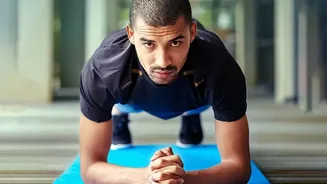
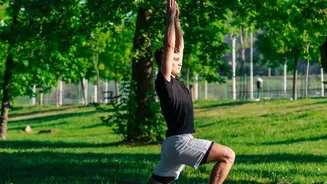
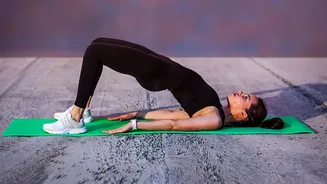
Strength training is vital for joint health because strong muscles act as a support system for your joints. For beginners, this doesn't mean lifting heavy weights. Start with your own bodyweight or light resistance bands. Focus on slow, controlled movements and proper form to avoid unnecessary stress on your joints. Exercises like glute bridges, wall squats, and gentle lunges build stability in the hips and knees. The key is to progress slowly, increasing reps before adding weight, and to never 'lock' your joints during an exercise. If a particular movement causes pain, try an isometric version where you contract the muscle without moving the joint, such as holding a plank or a wall sit.
Discover Mindful Movement: Tai Chi and Yoga
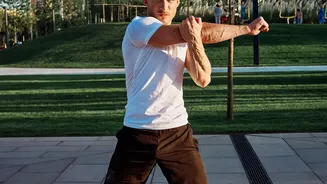
Practices like Tai Chi and gentle yoga combine movement, balance, and flexibility, making them incredibly beneficial for joint health. Tai Chi involves slow, flowing movements that have been shown to reduce pain and stiffness, improve balance, and lower the risk of falls. It's an adaptable practice suitable for nearly any fitness level. Similarly, gentle or restorative yoga can increase your range of motion and ease stiffness through controlled poses and stretching. Look for beginner classes that emphasize modification and comfort, using props like chairs or blocks to support your body.
Listen to Your Body: The Most Important Rule
The foundation of joint-friendly exercise is learning to listen to your body. Always warm up with gentle movements before you begin and cool down with light stretching afterward. Never push through sharp pain. A little muscle soreness after a new activity is normal, but joint pain that lingers is a sign to ease up or modify the exercise. Start slowly, perhaps with just 10–15 minutes a day, and gradually increase your duration and intensity as you feel stronger. The goal is consistency, not intensity. Finding activities you genuinely enjoy is the best way to create a sustainable routine that will support your joint health for years to come.