

The Old Guard: Petrol and Diesel
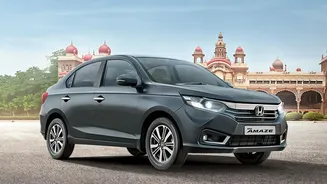
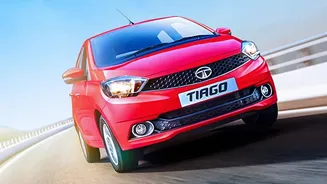
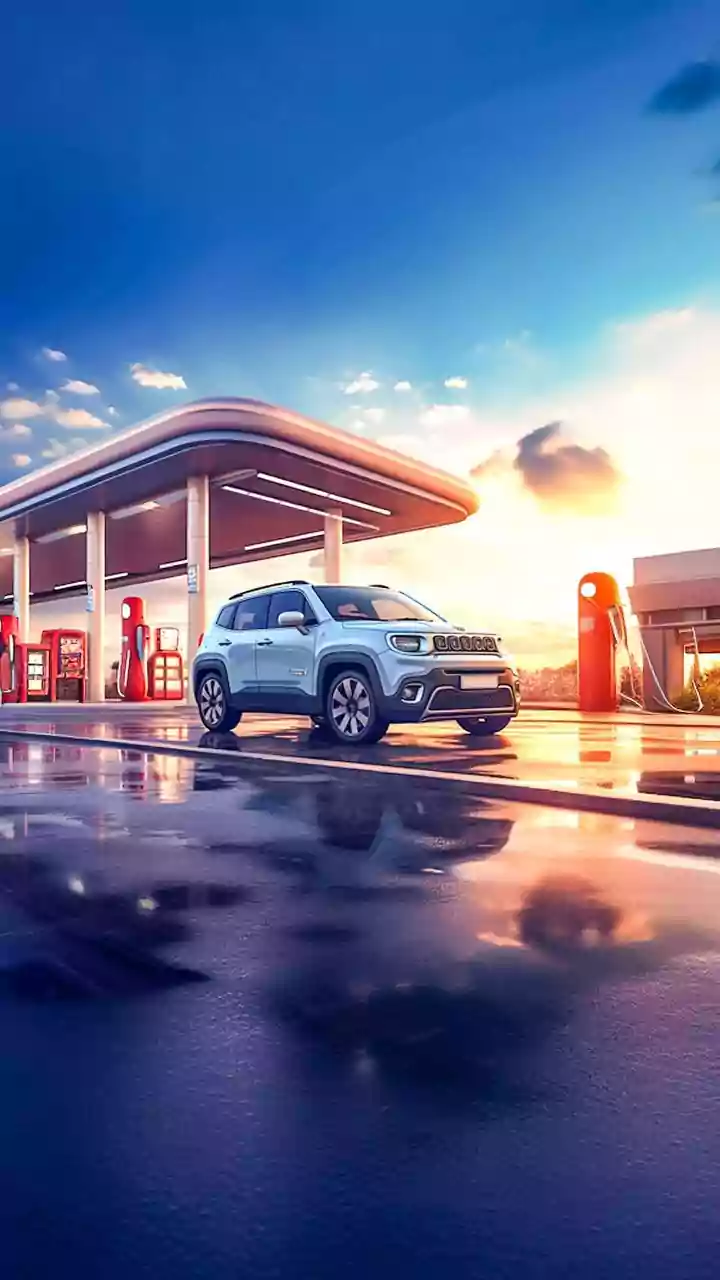
Petrol cars remain the default choice for many, making up the largest single portion of sales. They offer a familiar driving experience, a wide network of fuel stations, and generally the lowest purchase price. However, with fuel prices remaining volatile,
the running cost of a petrol car has become a significant factor for budget-conscious buyers. Diesel, once the go-to for high-mileage users due to its superior fuel economy and torque, has seen its advantage shrink. Stricter emission norms have made diesel engines more expensive to produce and maintain. In certain regions like Delhi-NCR, regulations limiting the life of diesel vehicles have also impacted their long-term appeal and resale value, making buyers think twice.
The Cost-Cutter: CNG's Mainstream Rise
Compressed Natural Gas (CNG) has emerged as a powerful contender, especially for those prioritizing low running costs. With a per-kilometre cost significantly lower than petrol, factory-fitted CNG kits are no longer a niche offering but a mainstream choice available in popular models, including SUVs. In August 2026, CNG vehicles accounted for a record 25% of sales, showing a massive shift in consumer preference. The primary trade-offs have traditionally been reduced boot space and a slight drop in performance. However, manufacturers are innovating with solutions like twin-cylinder technology to free up luggage space, making CNG a more practical option for families. The expanding network of CNG stations across the country is also reducing range anxiety, once a major deterrent.
The Future-Forward Bet: Electric Vehicles
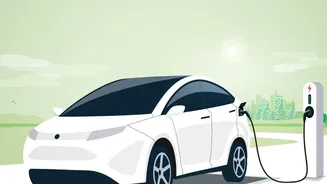
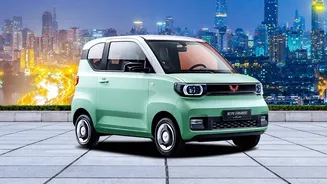
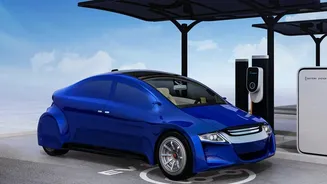
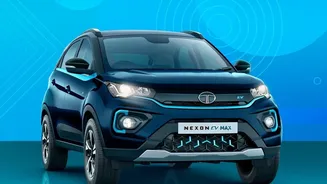
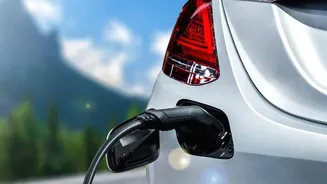
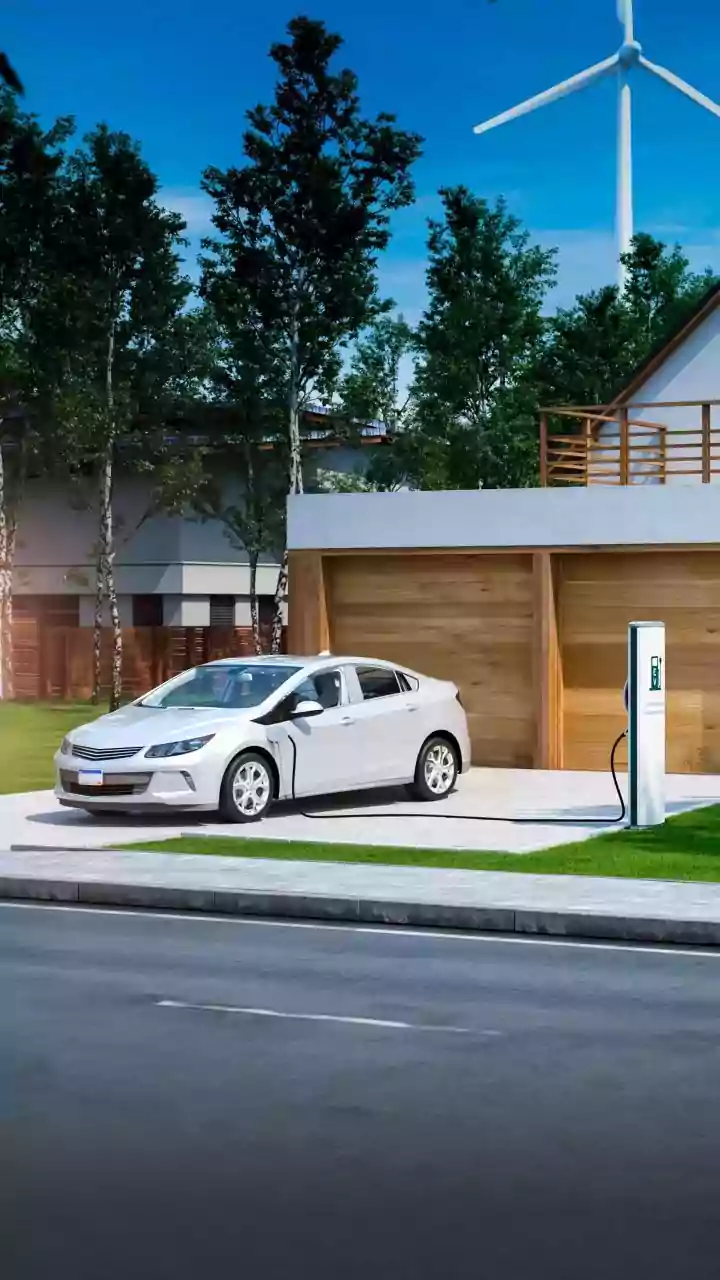
Electric Vehicles (EVs) represent the most significant technological leap, offering near-silent operation, instant acceleration, and the lowest running costs, especially when charged at home. Government incentives under schemes like FAME have helped reduce the high initial purchase price, while a growing interest in sustainability is also driving adoption. EV sales saw a 65% expansion in the first half of 2026. However, challenges remain. Despite significant growth, the public charging infrastructure is still catching up with the number of EVs on the road, with reports of one public charger for every 190 EVs. This leads to range anxiety and concerns about the reliability of public chargers, which many EV owners report as a key issue. As a result, EVs are most practical for buyers with predictable daily commutes and access to home or office charging.
The Middle Path: Are Hybrids the Best of Both Worlds?
Strong hybrids offer a compelling middle ground, combining a petrol engine with an electric motor and a self-charging battery. They deliver significantly better fuel efficiency than their petrol-only counterparts without the need to plug in, effectively eliminating range anxiety. This makes them an attractive option for buyers who want to reduce their fuel bills but aren't ready to commit to a fully electric lifestyle. The main barrier for hybrids is their high upfront cost, which is considerably more than a comparable petrol or even CNG model. The financial sense of a hybrid, therefore, depends heavily on a buyer's annual mileage; the more you drive, the faster you can recover the initial premium through fuel savings.
Beyond Sticker Price: The Total Cost of Ownership
The modern car-buying decision has moved beyond the showroom price to the Total Cost of Ownership (TCO). This calculation includes the purchase price, fuel or electricity costs, insurance, scheduled maintenance, and depreciation (resale value) over a typical five-year period. An EV might have a high purchase price but saves money on fuel and maintenance. A CNG car has a low running cost, but may have slightly higher maintenance needs over the long term. A petrol car is cheaper to buy, but more expensive to run. This shift means that the 'cheapest' car is no longer the one with the lowest price tag, but the one that best matches the buyer’s daily usage, driving patterns, and long-term budget.