




1. Build a 'Safe Den'
A dog's instinct during a storm is to find a small, secure space where they feel protected. You can create this 'den' for them. It doesn’t have to be fancy. A crate covered with a thick blanket, the space under a desk, or even a closet they like can work.
Fill this spot with their favourite soft bedding, a familiar toy, and an old t-shirt that smells like you. Encourage them to use this space by placing treats inside, but never force them in. The goal is to make it their go-to sanctuary, a place they associate with safety and comfort, especially when the thunder rumbles. Ensure this den is located in a quiet part of the house, away from noisy windows and doors, to muffle the sounds of the storm.
2. Master Indoor Enrichment
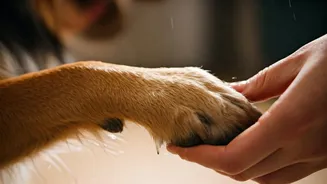
A bored dog is an anxious dog. With outdoor walks and park visits curtailed by the rain, their physical and mental energy has nowhere to go. This is where indoor enrichment becomes your best friend. Instead of feeding them from a bowl, use puzzle toys or snuffle mats to make them work for their food. This engages their brain and can be just as tiring as a short walk. Play games like 'find the treat' by hiding small, smelly treats around the house. Short, fun training sessions to practice old commands or learn new tricks like 'shake paw' or 'roll over' are also excellent ways to provide mental stimulation and strengthen your bond.
3. Manage the Monsoon Soundtrack
The relentless drumming of rain and the sudden crack of thunder can be terrifying for many dogs. You can help manage their sound sensitivity by creating a buffer. Close the curtains and blinds to block out flashes of lightning, which often precede thunder. Play calming classical music or turn on a white noise machine to help mask the storm's intensity. Even turning on the television or a fan can create a consistent, low-level background noise that makes the sudden, sharp sounds of the storm less startling. The key is to reduce the contrast between silence and the loud boom of thunder. Over time, your dog may learn to associate these background noises with a calmer environment.
4. Stick to a Routine
Dogs thrive on predictability. The monsoon can disrupt their daily schedule, leading to confusion and anxiety. While you can't control the weather, you can control their indoor routine. Try to keep feeding times, potty breaks (even if they are quick dashes outside during a lull in the rain), and indoor play sessions at the same time each day. A consistent schedule provides a sense of normalcy and security in a chaotic environment. If your dog knows that despite the storm outside, their dinner will still arrive at 7 PM, it gives them a reliable anchor in their day, reducing overall stress levels.
5. Combat Humidity and Hygiene Issues
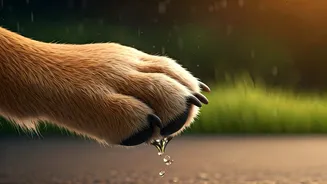
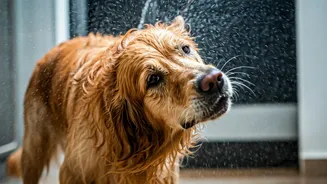
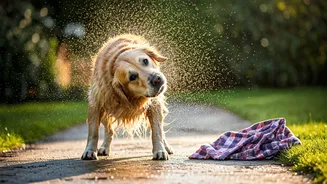
Monsoon isn't just about rain; it's about overwhelming humidity. This dampness can affect your dog's comfort and health. Always wipe your dog down with a dry towel after they come inside, paying special attention to their paws and belly to prevent fungal infections. The damp air can also make their coat a breeding ground for bacteria, so regular brushing is essential to prevent matting and skin problems. Ensure their bedding is always clean and completely dry. A damp bed is not only uncomfortable but can also lead to skin irritations. Using a dehumidifier in the room where your dog spends most of its time can also significantly increase their comfort.
6. Know When to Use Calming Aids
For some dogs with severe anxiety, basic comfort measures may not be enough. There are several tools you can explore, but always do so thoughtfully. Calming vests or 'thunder shirts' apply gentle, constant pressure, which can have a soothing effect similar to swaddling an infant. Pheromone diffusers, which release a synthetic version of the calming pheromones a mother dog produces, can also help create a more relaxed atmosphere. However, if your dog’s anxiety is extreme—manifesting as destructive behaviour, constant shaking, or loss of appetite—it's crucial to move beyond home remedies. This is the time to have a conversation with your veterinarian about potential supplements or other professional interventions.