



The festive season is synonymous with joy, family, and of course, indulgent food. While we eagerly await ladoos and lavish dinners, a little prep can help our bodies handle the feast. This isn't about restriction; it's about smart preparation.
Understanding Your Metabolism
Think of
your metabolism as your body's internal engine. It's the complex process that converts the food and drink you consume into energy. A variety of factors, including age, gender, genetics, and muscle mass, influence how fast or slow this engine runs. While you can't overhaul your base metabolic rate overnight, you can certainly support its efficiency. The goal before a period of heavy eating is not to 'boost' it in an extreme way, but to ensure it's functioning optimally so it can better handle the extra calories, fats, and sugars that are an inevitable and enjoyable part of festive celebrations. Preparing your body is about creating a stable, efficient system ready for the challenge.
Hydration is Your First Priority
One of the simplest yet most effective ways to keep your metabolism humming is to stay well-hydrated. Every single process in your body, including metabolizing food, requires water. When you're dehydrated, your metabolic function can slow down considerably. In the days leading up to a festival, make a conscious effort to drink plenty of water. You can also include hydrating drinks like coconut water, buttermilk, or herbal teas. This simple habit not only supports your metabolism but also helps control false hunger pangs, as we often mistake thirst for a need to eat. Carrying a reusable water bottle can be a great reminder to keep sipping throughout the day.
Prioritise Protein-Rich Foods
Protein has a higher 'thermic effect of food' (TEF) compared to fats and carbohydrates. This means your body uses more energy (calories) to digest protein than it does to digest other macronutrients. Including lean protein sources in your pre-festival meals—think dals, paneer, tofu, eggs, Greek yogurt, or grilled chicken—can help keep your metabolism active. A protein-rich breakfast, in particular, can set the tone for the day, promoting feelings of fullness and reducing the temptation to snack mindlessly or overeat later.
Fill Up on Fibre and Whole Grains
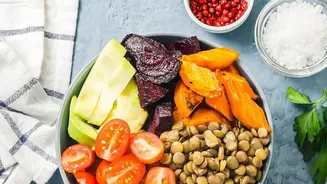
Fibre is another crucial component for a well-functioning digestive system and an active metabolism. Foods rich in fibre, such as whole grains (oats, brown rice, quinoa), legumes, fruits, and vegetables, help you feel full for longer, which can prevent overeating. Your body also works harder to break down fibre-rich whole grains compared to processed refined flours, which contributes to a slight metabolic uptick. Swapping out white bread and maida-based products for their whole-grain counterparts and ensuring half your plate consists of vegetables are great strategies to implement before the rich festive meals begin.
Don't Starve Yourself
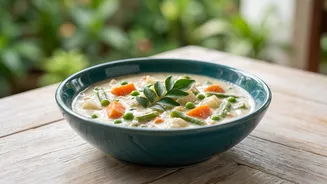
It’s a common mistake to drastically cut calories or skip meals in anticipation of a big festive dinner. However, this can be counterproductive. When your body senses starvation, it can slow down your metabolism to conserve energy, holding onto fat rather than burning it. Instead of fasting, focus on eating smaller, nutrient-dense meals throughout the day. Having a light, healthy snack like a piece of fruit, a handful of nuts, or a bowl of soup before heading to a party can prevent you from arriving ravenous and overindulging.
Incorporate Light Physical Activity
While diet is key, don't underestimate the power of movement. Engaging in regular physical activity is essential for maintaining an active metabolism. This doesn't mean you need to start an intense workout regime right before the holidays. Simply incorporating consistent, moderate exercise can make a difference. Strength training is particularly effective because it builds lean muscle mass, which is more metabolically active than fat, meaning you burn more calories even at rest. Even a brisk 30-minute walk each day can support your metabolic health and help balance out the extra calories consumed during celebrations.
Support Your Gut with Probiotics
A healthy gut is foundational to overall health, including metabolic function. The trillions of bacteria in your digestive system play a role in how your body extracts energy from food. Including probiotic-rich foods like dahi (yogurt), kefir, or other fermented foods can help maintain a healthy balance of gut bacteria. This supports efficient digestion and can be particularly helpful when your system is about to be challenged with richer, heavier foods than usual. A happy gut is better prepared to handle the festive feasting that lies ahead.