






1. Chia Seeds
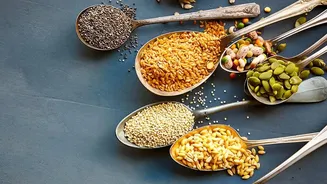
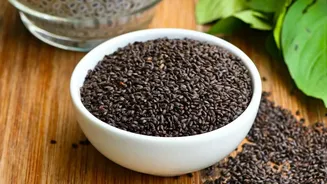
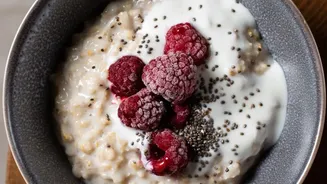
These tiny powerhouses are exceptionally rich in soluble fibre, which is a major benefit for blood sugar control. When mixed with liquid, chia seeds form a gel. This same process happens in your stomach, slowing down digestion and the release of sugar into
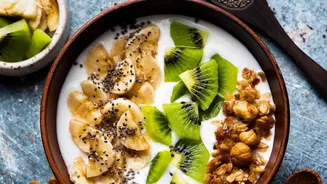
your bloodstream, which helps prevent sharp glucose spikes after a meal. Their high fibre content also promotes a feeling of fullness, which can aid in weight management—a key factor in diabetes care. Simply sprinkle a tablespoon of chia seeds into your morning dahi, oatmeal, or smoothie for an easy nutritional upgrade.
2. Flax Seeds
Also known as alsi, flax seeds are celebrated for their high content of fibre, omega-3 fatty acids, and unique plant compounds called lignans. Like chia seeds, the fibre in flax helps slow down digestion, leading to a more gradual release of glucose into the blood. This makes them a low-glycemic food, meaning they won't cause a sudden jump in your blood sugar. Some studies suggest that the lignans in flax seeds may also help improve insulin sensitivity. For the best absorption of nutrients, it's recommended to consume flax seeds in their ground form. Add a spoonful of ground flax to your roti atta, porridge, or yogurt.
3. Pumpkin Seeds
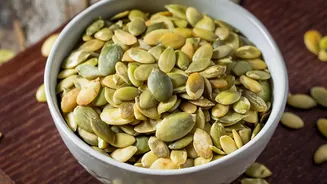
Pumpkin seeds, or pepitas, are an excellent source of magnesium, a mineral that plays a vital role in over 600 chemical reactions in the body, including regulating blood sugar levels. Many people do not get enough magnesium in their diets, and adequate levels are linked to a lower risk of type 2 diabetes and improved insulin sensitivity. These seeds also provide healthy fats and protein, which contribute to satiety and help stabilize energy. Enjoy a small handful as a snack or sprinkle them over yogurt or a savoury breakfast bowl.
4. Sunflower Seeds
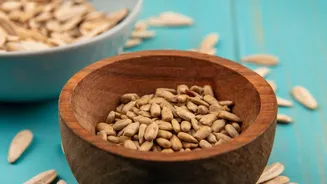
Sunflower seeds are packed with nutrients, including vitamin E, magnesium, and protein. Their combination of healthy fats, fibre, and protein helps slow digestion, preventing rapid blood sugar increases. The presence of beneficial plant compounds like chlorogenic acid may also contribute to their anti-diabetic effects. Furthermore, the magnesium content supports the body's insulin response. Choose unsalted sunflower seeds to avoid excess sodium and add them to salads, homemade granola, or enjoy them on their own for a satisfying crunch.
5. Sesame Seeds
Commonly used in Indian cuisine, sesame seeds (til) are rich in healthy fats, protein, and antioxidants like sesamin. Their low carbohydrate and high fibre content mean they have a minimal impact on blood sugar levels. Research suggests that compounds in sesame seeds may help improve glycemic control over time, with some studies showing positive effects on fasting blood sugar and HbA1c levels. You can incorporate sesame seeds by adding them to cheela, sprinkling them on avocado toast, or blending them into tahini for a savoury breakfast dressing.