






The Pacific's Powerful Influence
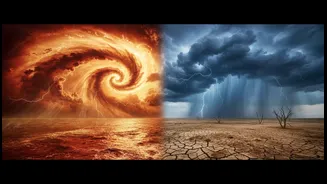
At its core, El Niño is a natural climate phenomenon characterized by the unusual warming of the sea surface temperatures in the central and eastern Pacific Ocean. This warming, which occurs every two to seven years, might seem distant, but it triggers
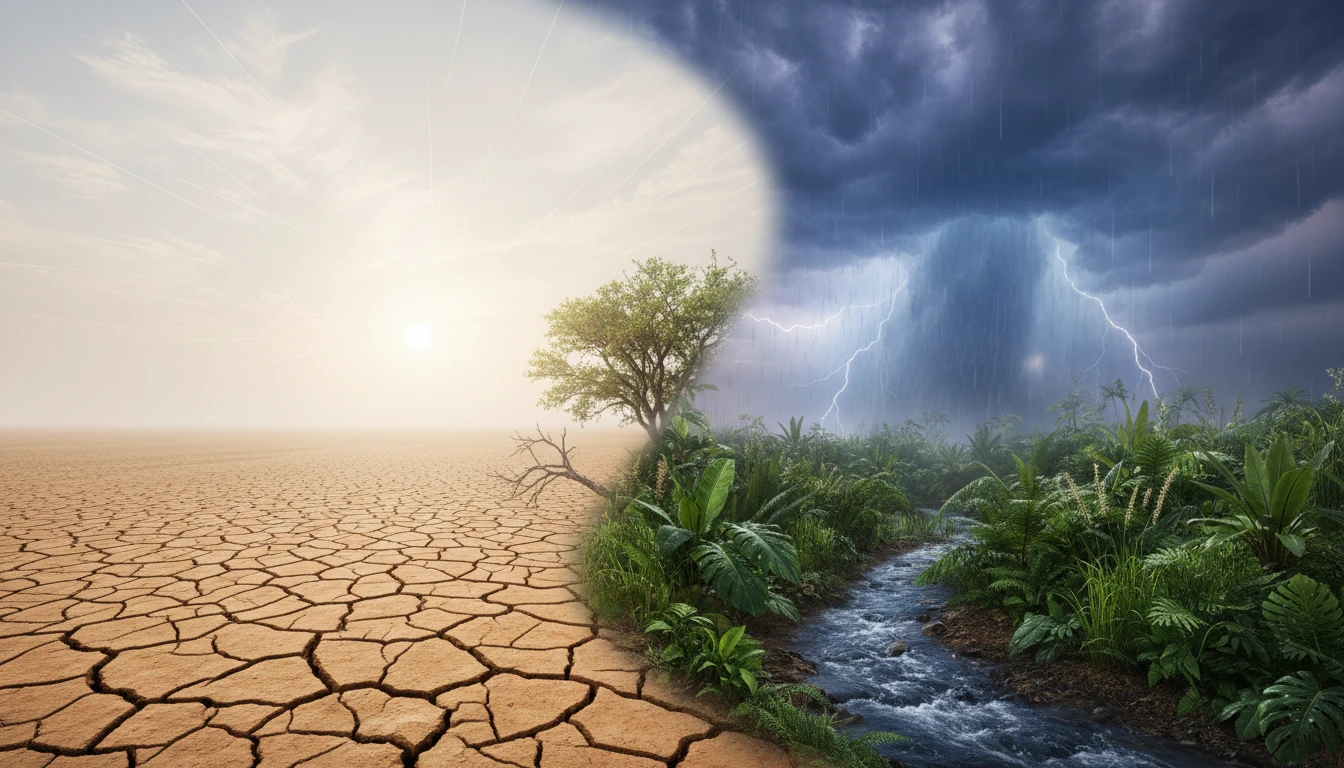
a domino effect across the globe. Normally, strong winds push warm surface water westwards across the Pacific, from South America towards Asia. During an El Niño event, these winds weaken or even reverse. This shift disrupts atmospheric circulation patterns, altering weather systems worldwide, from flood risks in Peru to droughts in Australia and, crucially, a change in India's monsoon.
The Critical Monsoon Connection
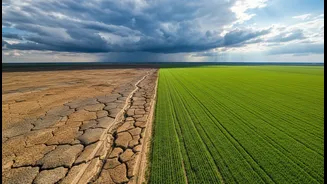
For India, the monsoon is the lifeline. It underpins our agriculture, replenishes our water reservoirs, and drives a significant portion of our economy. El Niño's most significant impact on India is its strong correlation with weaker monsoon rains. The changes in the Pacific Ocean disrupt the massive weather systems that typically bring moisture-laden winds to the subcontinent. Historically, a majority of drought years in India have coincided with El Niño years. While it's not a perfect one-to-one relationship—some El Niño years have seen normal rainfall—the risk of a deficient monsoon rises dramatically, threatening crop yields and water security.
Amplified by a Changing Climate
The relationship between El Niño and man-made climate change is a subject of intense scientific research. While El Niño is a natural cycle, there is growing evidence that global warming is making its effects more severe. A warmer planet means a warmer ocean, which provides more energy and moisture that can amplify extreme weather events associated with El Niño. Some research suggests climate change could lead to more frequent and intense El Niño and La Niña events. This means we could face stronger droughts, more intense heatwaves, and more volatile weather patterns on top of the already disruptive effects of the cycle.
From Farms to Your Wallet
A weak monsoon has tangible consequences that extend far beyond the farm. Agriculture, which employs a vast portion of India's workforce, is the first to be hit. Poor rainfall can lead to lower crop yields, affecting the livelihoods of millions. This agricultural distress translates into lower rural incomes, which in turn reduces demand for goods like two-wheelers and fast-moving consumer products. For urban residents, the most direct impact is often felt through food inflation. Lower production of essential crops and vegetables can lead to a spike in prices, squeezing household budgets across the country. A significant rainfall deficit can even impact India's overall GDP growth.
The Outlook for 2026
For 2026, forecasters are on high alert. The World Meteorological Organization (WMO) and other global agencies have noted that El Niño conditions are developing and are expected to strengthen. The India Meteorological Department (IMD) has forecast a below-normal monsoon for July 2026, citing the strengthening El Niño. After a delayed onset and a rainfall deficit in June, recent rains in early July have helped narrow the gap, but authorities remain watchful. On July 7, 2026, the government reviewed its preparedness for a weak to moderate El Niño, activating contingency plans for agriculture and other sectors. The coming months will be critical in determining the full impact on this year's kharif crops and the broader economy.