


Understanding the Monsoon Risk
The rainy season creates ideal conditions for germs to thrive. High humidity and moisture lead to the rapid growth of bacteria, viruses, and moulds. Heavy rainfall can lead to waterlogging and contamination of water sources with sewage, which may then
be used for irrigating or washing produce. This contaminated water can carry pathogens like E. coli and Salmonella. Furthermore, our digestive systems can become more sensitive during this season, making us more susceptible to foodborne illnesses. These factors combined mean that extra care is essential when handling food, especially items consumed raw.
Shop Smart, Choose Fresh
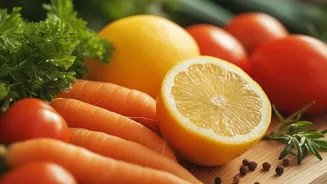
Safety starts at the market. When buying fruits and vegetables, choose wisely. Opt for produce that looks fresh, firm, and brightly coloured. Avoid anything with bruises, cuts, soft spots, or visible signs of mould or decay, as these are entry points for bacteria. Whenever possible, choose whole fruits and vegetables over pre-cut options sold by vendors. Pre-cut produce has been exposed to the air, potential contaminants, and unsafe water, increasing the risk of illness significantly. Buying in smaller batches more frequently ensures you are always using the freshest ingredients.
The Art of Thorough Washing
This is the most critical step. A simple rinse is not enough during the monsoon. Wash all fruits and vegetables thoroughly under clean, running potable water before you peel, cut, or eat them. For leafy greens like spinach and cabbage, which can hide dirt and microbes in their folds, it's best to separate the leaves and wash them individually. Soaking vegetables in a bowl of water with a splash of vinegar or a pinch of salt for a few minutes can help dislodge germs. Some also use a weak potassium permanganate solution, but it must be used in the correct, very dilute concentration and rinsed off completely. After washing, pat the produce dry with a clean cloth or paper towel before storing or cutting.
Safe Handling and Preparation
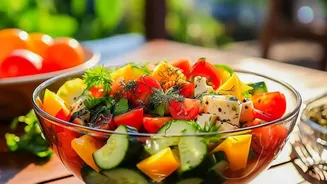
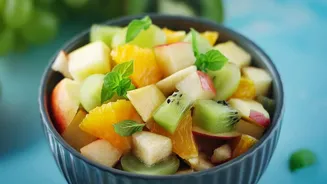
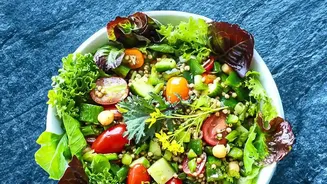
A clean kitchen is as important as clean vegetables. Always wash your hands with soap and water before and after handling food. Use clean cutting boards and knives, and ideally, keep separate boards for raw produce and meat to prevent cross-contamination. Once fruits are cut, consume them immediately. Cut fruits left in the open can quickly become a breeding ground for germs. If you're preparing a salad, assemble it just before you plan to eat it for maximum freshness and safety. Avoid storing cut fruits or salads at room temperature for any length of time.
Consider Light Cooking
If you're still concerned or have a sensitive stomach, consider lightly cooking your vegetables instead of eating them completely raw. Steaming or blanching vegetables for a few minutes can kill most harmful microorganisms while retaining a good portion of their nutrients and crunchy texture. For instance, instead of a raw cabbage salad, you can lightly steam the cabbage. This is a common recommendation from health experts during the monsoon to minimise risk without sacrificing vegetables from your diet.
Peel When Possible
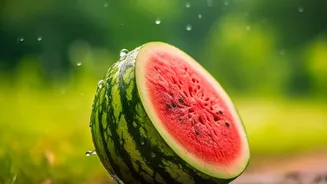
Fruits with thick, inedible peels offer an extra layer of protection. Bananas, oranges, pomegranates, and melons are generally safer choices as the edible part is shielded from external contaminants until you peel them. However, you should still wash the outside of the fruit thoroughly before peeling. This prevents any germs on the skin from being transferred to the flesh via your hands or the knife. For fruits and vegetables with edible skins like apples and cucumbers, a thorough scrub is even more important.