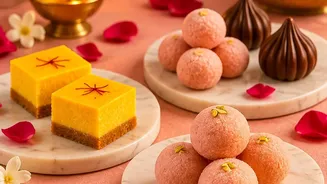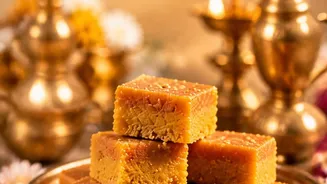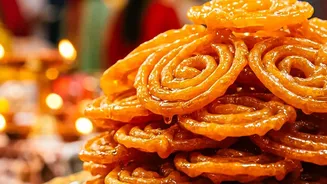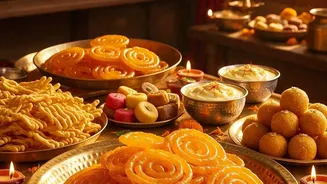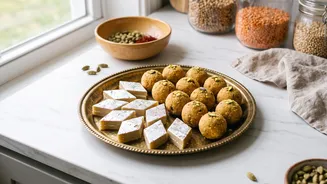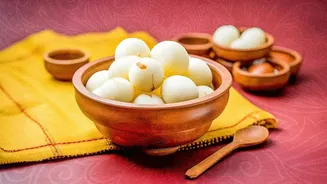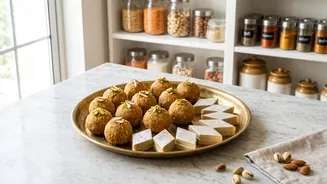


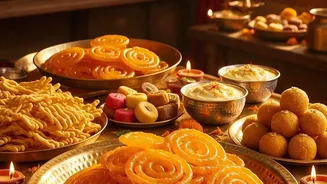
The festive season brings joy, family, and an abundance of sweets. But once the celebrations wind down, we often face a mountain of mithai. Here’s how to creatively manage that sweet surplus with smart planning, turning potential waste into a delight.
Take Stock and Store Smartly
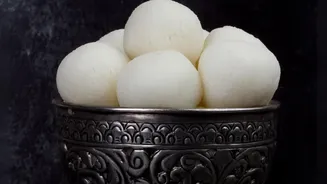
The first step in any meal plan is knowing what you have. Gather all your leftover sweets and assess the inventory. Separate them by type: milk-based sweets like rasgulla and peda are highly perishable, while drier, nut- or ghee-based ones like kaju katli and ladoo last longer. Store milk-based sweets in airtight containers in the coldest part of your fridge (ideally 2-4°C) and plan to use them within 3-4 days. Drier sweets can be kept in a cool, dry place at room temperature for a week or refrigerated to extend their life further. Proper storage is the foundation of preventing waste, ensuring your sweets remain fresh and safe to eat.
Reinvent Breakfast
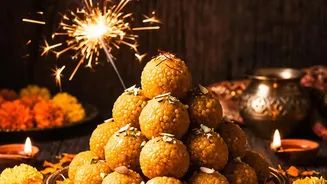
Who says you can't have dessert for breakfast? Your sweet surplus can be a fantastic way to add a little festive flair to your morning routine. Crumble besan or motichoor ladoos into your morning bowl of oatmeal or dahi for a boost of flavour and texture. Blend a small piece of barfi or a gulab jamun (syrup drained) into a smoothie with milk or yoghurt and fruit to create a rich, satisfying milkshake. You can even use crumbled, drier sweets as a stuffing for a sweet paratha, creating a unique and indulgent breakfast treat that uses up leftovers in an unexpected way.
Create Fusion Desserts
Don't just eat the sweets—transform them. This is where your inner chef can shine. Leftover mithai provides a brilliant base for new, exciting desserts. Crumble dry barfis or ladoos and press them into a tart tin to create a no-bake pie crust. Layer crumbled sweets with fruit and whipped cream or custard to make a quick mithai trifle. One popular idea is to create a kaju katli cheesecake, where the nutty sweet is blended into the cream cheese filling. You can also make motichoor ladoo truffles by dipping them in melted chocolate or incorporate chunks of gulab jamun into a batch of homemade ice cream.
Bake a Leftover Cake
Many milk_based sweets like peda, milk cake, or barfi can be melted down and incorporated directly into cake batter. The process is surprisingly simple: break up the sweets, gently heat them with a little milk until they form a smooth paste, and use this mixture as a substitute for some of the sugar and fat in your favourite cake recipe. This not only uses up the sweets but also imparts a unique, rich flavour and moistness to the cake. Garnish with chopped nuts before baking for a beautiful finish. It’s a simple makeover that turns old mithai into a brand_new centrepiece.
Freeze for Future Cravings
Effective meal planning isn't just about the week ahead; it's also about preserving food for the future. Many Indian sweets freeze surprisingly well. Drier sweets like ladoos, barfis, and pedas can be wrapped individually in foil or parchment paper, placed in a freezer_safe airtight container, and frozen for up to a month. For syrupy sweets like gulab jamun, it's best to drain the syrup before freezing the sweets separately. When you’re ready for a treat, simply thaw them in the refrigerator or at room temperature. This is a perfect way to press pause on the sugar rush and save your favourites for later.
Share the Sweetness
Often, the simplest solution is the most effective. If you're overwhelmed by the sheer quantity, consider sharing the bounty. A well_managed 'sweet surplus' plan can include planned giveaways. Pack assorted boxes for neighbours, friends, or office colleagues who may not have received as many. You can also consider donating them. Check with local community fridges, shelters, or NGOs in your area. Many organisations accept untouched, safely_stored food to distribute to those in need. It's a thoughtful way to reduce waste while spreading the festive spirit a little further.