





The Couch is Winning, But Not Every Fight
Let’s be honest: for most movies, staying home is simply easier. With high-quality televisions and an endless buffet of streaming services, the incentive to leave the house for a quiet drama or a simple comedy has evaporated. A 2025 poll found that about
three-quarters of U.S. adults had watched a new movie on a streaming service instead of in a theater over the past year. Convenience and cost are the primary drivers. Why spend on tickets and popcorn for an experience you can largely replicate at home, especially when films now arrive on digital platforms in as little as 30-45 days? This shift has hollowed out the market for mid-budget films, which no longer have the theatrical window to build word-of-mouth momentum. The result is a bifurcated market: movies you watch, and movies you experience.
An Experience Streaming Cannot Replicate
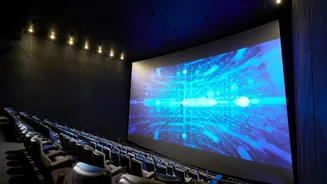
This is where the spectacle film reigns supreme. Studios and theater owners understand that to draw a crowd, they must offer something that a living room cannot. It’s about creating an 'event'. This means premium large formats like IMAX and Dolby Cinema, which boast immersive sound and visuals that demand a dedicated space. Theaters are investing heavily in these upgrades, from luxury heated recliners to full-service bars, transforming a simple viewing into a premium night out. Data shows this strategy is working. In 2025, IMAX reported its best year ever, with premium formats accounting for a growing share of box office revenue. Audiences are willing to pay for an experience that feels communal, immersive, and, crucially, different from what they have at home.
The Box Office Tells the Story
The numbers paint a stark picture. While overall box office revenue is still recovering to pre-pandemic levels, the lion's share of the profits is being driven by a handful of massive blockbuster films. For instance, in the summer of 2026, just two major films, 'Spider-Man: Brand New Day' and 'The Odyssey', were reported to have contributed over 30% of the entire summer's domestic ticket sales. These are not just movies; they are cultural moments fueled by massive marketing campaigns and social media buzz that create a fear of missing out. While the total number of tickets sold annually is down significantly since 2019, the revenue from these tentpole releases keeps the industry afloat. The model is clear: go big, or go to streaming.
The Exceptions That Prove the Rule
Of course, it’s not only superhero and sci-fi epics that succeed. Breakout horror films and unique cultural phenomena can and do draw huge crowds. But even these successes often operate on the same principle of 'event cinema'. A buzzy horror movie becomes a communal rite of passage, best experienced with a screaming crowd. A film that sparks a viral trend becomes a must-see social event. What these films have in common with giant blockbusters is that they provide a compelling reason to participate in a shared, public experience. Theater chain CEOs have noted that while they desire a more diverse and consistent slate of films year-round, the business has become dependent on these major national releases to survive slower months.