






A City Built on Coexistence
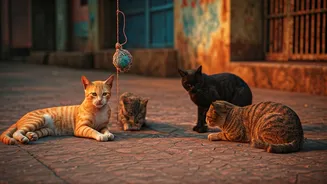
In Mumbai, cats aren't just strays; they are residents. You’ll find them napping on parked autorickshaws, supervising business at a kirana store, or weaving through the legs of commuters at a local train station. Unlike in many other metros where street
animals are often seen as a nuisance, Mumbai operates on a different frequency. Here, a deep-seated culture of coexistence has turned the city into a sprawling, de facto cat sanctuary. From the art-deco buildings of South Mumbai to the bustling fishing villages of Versova, these felines are an integral part of the urban landscape. They are not just tolerated; they are woven into the city's daily rhythm, a silent, furry contract between man and beast that defines Mumbai's character.
The Unsung Heroes: A Network of Feeders
The backbone of this cat-friendly ecosystem is an army of unsung heroes: the community feeders. Every day, thousands of Mumbaikars—from students and homemakers to corporate executives—dedicate their time and money to feeding the city’s felines. They operate on fixed schedules, their arrival heralded by a chorus of meows. This isn't just about providing food; it's a structured system of care. Feeders often monitor the health of their colonies, coordinate for sterilisations, and provide first aid when needed. This decentralised, citizen-led initiative is arguably the single biggest reason for the well-being of Mumbai's street cats. It’s compassion in action, a daily ritual that demonstrates the city's collective conscience.
Organised Compassion and Formal Care
Beyond individual efforts, Mumbai boasts a robust network of NGOs and animal welfare organisations dedicated to felines. Groups like The Feline Foundation and World For All Animal Care & Adoptions have professionalised cat welfare. They run sterilisation drives (TNR: Trap-Neuter-Return) to humanely manage the street cat population, operate shelters for sick and abandoned cats, and facilitate adoptions. Their work provides a crucial support structure for the community feeders, offering veterinary expertise and resources that individuals alone cannot provide. These organisations also run awareness campaigns, educating the public about responsible pet ownership and the importance of empathy towards community animals, further cementing the city’s pro-cat credentials.
Digital Darlings and Social Media Stardom
Mumbai’s love for its cats has spilled over into the digital world. Instagram and Facebook are flooded with accounts dedicated to the city's felines. Hashtags like #CatsOfMumbai and #CatsOfInstagram are filled with stunning portraits of cats in iconic Mumbai settings—lounging near the Gateway of India, peering out from a BEST bus, or chilling in a heritage precinct. These platforms have done more than just showcase cute pictures; they have given the city’s cats a personality and a story. They’ve helped destigmatise street animals, fostered a community of animal lovers, and even facilitated countless adoptions. This digital celebration turns every cat into a potential celebrity, a beloved character in Mumbai’s ongoing narrative.
A Reflection of the City’s Spirit
Ultimately, Mumbai's status as the 'Cat Capital' isn't about having the highest number of cats. It's about the quality of the human-animal relationship. In a city known for its relentless pace and space constraints, the widespread care for a non-human population speaks volumes. It reflects the 'spirit of Mumbai'—a unique blend of individual hustle and collective responsibility. The city’s cats are a testament to the idea that even in the most crowded of urban jungles, there is always room for compassion, community, and a quiet moment of connection with a furry friend.